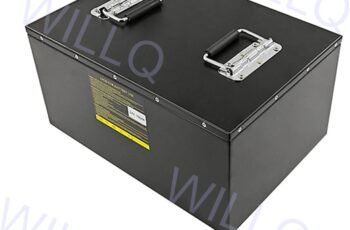
Have we ever wished our DIY battery system felt smarter, safer, and easier to manage right from our phone?
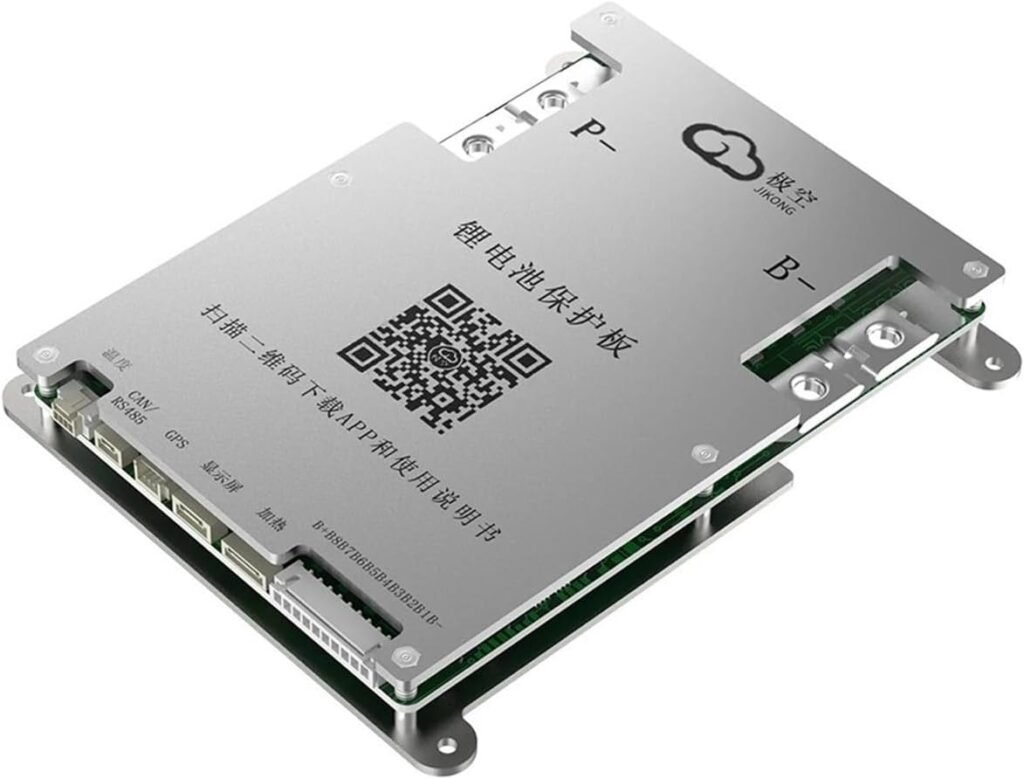

What Is the JK BMS B1A8S10P / B1A8S10P‑HC?
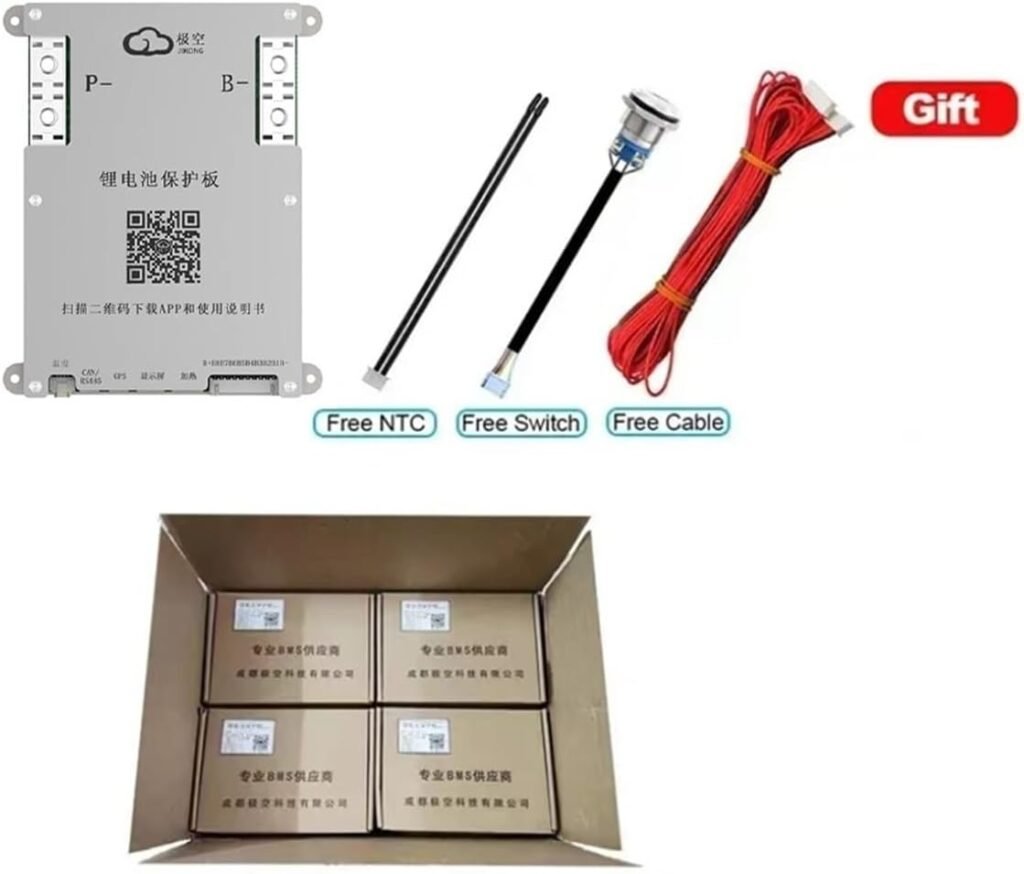
When we first look at the product name, “JK BMS B1A8S10P / B1A8S10P-HC, BMS 4S 5S 6S 7S 8S 12V 24V Battery with 1A Active Balance BMS Lifepo4 (Color : B1A8S10P-HC, Size : JK),” it can seem a bit overwhelming. Underneath that long label, though, we are essentially getting a smart, feature-packed Battery Management System designed for LiFePO4 packs with active balancing and Bluetooth.
This BMS is built for those of us who want more control and insight into our battery setups. Whether we are building a 12V or 24V LiFePO4 bank, this BMS aims to give us accuracy, safety, and longevity in one compact unit.
Who Is This BMS Designed For?
We find this BMS especially appealing if we enjoy DIY energy projects or off‑grid solutions. It suits those of us building custom LiFePO4 packs for solar storage, RVs, boats, backup power, or small home energy systems.
It is not really aimed at someone who just wants a plug‑and‑play drop‑in battery. Instead, it serves users who like to fine‑tune settings, view detailed data, and optimize performance over time.
Key Features at a Glance
To get a better sense of what we are working with, we can look at some core features that define the JK BMS B1A8S10P / B1A8S10P-HC.
Main Highlights
This BMS stands out mainly because of its intelligent app, active balancing, and strong safety set. It is more than a simple “protection board”; it actively manages, monitors, and optimizes our pack.
Here is a quick breakdown of some of the main features:
| Feature Category | What We Get |
|---|---|
| Battery Type | LiFePO4 (Lithium Iron Phosphate) |
| Supported Series (S) | 4S, 5S, 6S, 7S, 8S configurations |
| Typical System Voltages | 12V (4S) and 24V (8S) applications |
| Active Balancing Current | About 1A (with range 0.6–2A depending on model and conditions) |
| App Support | JK’s own dedicated app with Bluetooth communication |
| Protection Functions | Overcharge, over-discharge, over-current, short circuit, low‑temperature |
| Current Ratings | Up to 100A–350A maximum current (model and setup dependent) |
| Use Cases | DIY power systems, solar storage, RVs, boats, backup power, etc. |
| Model Variants | B1A8S10P and B1A8S10P‑HC |
We can see right away this BMS is intended to be flexible and robust, giving us options for different pack sizes and current needs.

Our Experience With the JK App and Bluetooth
One of the big reasons many of us choose JK BMS over generic boards is the app. The ability to pull out our phone and check our battery in real time is a game changer for day‑to‑day use.
How the JK App Changes the Experience
With Bluetooth communication built in, we can connect our phone directly to the BMS. The app gives us live data on voltage, current, state of charge (SOC), cell balance, temperature, and more.
Instead of poking around with a multimeter or guessing at charge status, we can see a clear snapshot of our system. It makes us feel more confident about what is going on inside our pack.
Real‑Time Monitoring Benefits
We appreciate that real‑time data helps us catch problems early. If one cell drifts low, or if the pack seems to be charging too aggressively, we see it in the app quickly.
This visibility is especially valuable when we run expensive LiFePO4 cells. Knowing exactly how they behave over time lets us protect that investment.
Active Balancing: What It Is and Why It Matters
Most simple BMS units offer only passive balancing. That usually means they burn off energy from higher‑voltage cells as heat to bring them closer to the lower cells. JK takes a different approach with active balancing.
Understanding JK’s Active Compensation
Active balancing means the BMS can move charge from higher‑voltage cells to lower‑voltage cells instead of just wasting it. JK calls this “intelligent active compensation of voltage differences between battery cells.”
We like this approach because it improves the usable capacity we get from our battery. Instead of one weak cell limiting the entire pack early, the BMS works hard to keep cells tightly balanced.
Efficiency and Battery Life Claims
The manufacturer mentions up to 99% efficiency in battery consumption when using this active balancing system. In practical terms, that means the energy that would normally be lost as heat during balancing can instead be reused within the pack.
Over time, this not only increases the effective capacity we enjoy each cycle but also supports longer battery lifespan. Cells that stay better balanced tend to age more evenly and slowly.
Safety Protection Features
We are usually most concerned about protecting our cells, our equipment, and our space. The JK BMS is designed with multiple layers of protection built in.
Overcharge, Over‑Discharge, and Over‑Current
On a basic level, this BMS guards against the most common and dangerous scenarios:
- Overcharge: It cuts off charging when cells reach safe maximum voltage.
- Over‑discharge: It prevents cells from being drained too low, which can damage LiFePO4 chemistry.
- Over‑current: It monitors current flows and disconnects if they exceed set thresholds.
These three protections alone are crucial if we are working with high‑capacity cells and large currents.
Short Circuit and Low‑Temperature Protections
Short circuit protection is another must‑have. If wiring goes wrong or a fault develops, we want the BMS to react immediately to protect our system.
Low‑temperature charging cut‑off is particularly important for LiFePO4. Charging below recommended temperatures can cause permanent cell damage. By automatically disabling charging when it is too cold, the BMS helps us avoid a silent killer of battery life.
Supported Voltages and Configurations
One thing we really like about this product is its flexibility in terms of system voltage and series count.
4S to 8S Flexibility
The “B1A8S10P” label hints at support up to 8 series cells, and the product description confirms 4S through 8S configurations. In other words, we can run:
- 4S LiFePO4 for nominal ~12.8V systems
- 5S, 6S, or 7S if we have more custom setups
- 8S LiFePO4 for nominal ~25.6V systems
This range makes it quite adaptable if we plan to upgrade or change pack size later.
Typical System Voltage Use Cases
For most of us, the sweet spots are 12V and 24V systems:
- 12V (4S): Great for RVs, small solar systems, campers, trolling motors, and simple backup batteries.
- 24V (8S): Better for larger inverters, more efficient power distribution, and higher‑power solar setups.
Because this BMS can handle both, we are not locked into a single voltage standard.
Current Ratings and Power Handling
Depending on which variant we choose and how we design our pack, the JK BMS can support fairly high currents.
100A–350A Capabilities
The product details mention a range of 100A to 350A maximum current. That tells us that there are versions suited to moderate loads as well as heavy‑duty builds.
For our purposes:
- Around 100A is plenty for modest RV or home backup systems.
- Higher current ratings, like 200A–350A, suit large inverters, powerful DC loads, or very high‑capacity banks.
We should always verify the exact current rating on the specific B1A8S10P or B1A8S10P‑HC model we buy and match it to our system demands with a reasonable margin.
Matching BMS Current to Our System
We find it smart to select a BMS current rating with headroom above our expected continuous load. If we expect 80A continuous, aiming for a 150A or 200A BMS gives breathing room.
This not only improves long‑term reliability but also provides some tolerance for surge loads from motors or inverters.
Active Balancing Current: 0.6–2A Range
The product description notes “0.6‑2A active DC,” and the name calls out “1A Active Balance.” This tells us we are getting a relatively strong balancing current compared with many basic BMS units.
Why 1A Active Balancing Feels Significant
Passive balancing BMS boards often balance at a few dozen to a few hundred milliamps. When we scale up to large packs, that can be painfully slow, especially if cells start out mis‑matched.
Having balancing currents around 1A (with possible conditions where it ranges between 0.6A and 2A) means the JK unit can correct imbalances more quickly. That is especially important after initial pack assembly or after any event that knocks cells out of sync.
When We Notice the Difference
We especially notice faster equalization:
- After building a new pack and connecting cells that were not perfectly aligned.
- After a deep discharge event where some cells dip a bit lower than others.
- In ongoing maintenance when we regularly cycle the battery and want it to stay very tight in voltage spread.
Over weeks and months, this faster balancing can translate into better performance and easier maintenance.
Unique Safety‑Oriented Design Choices
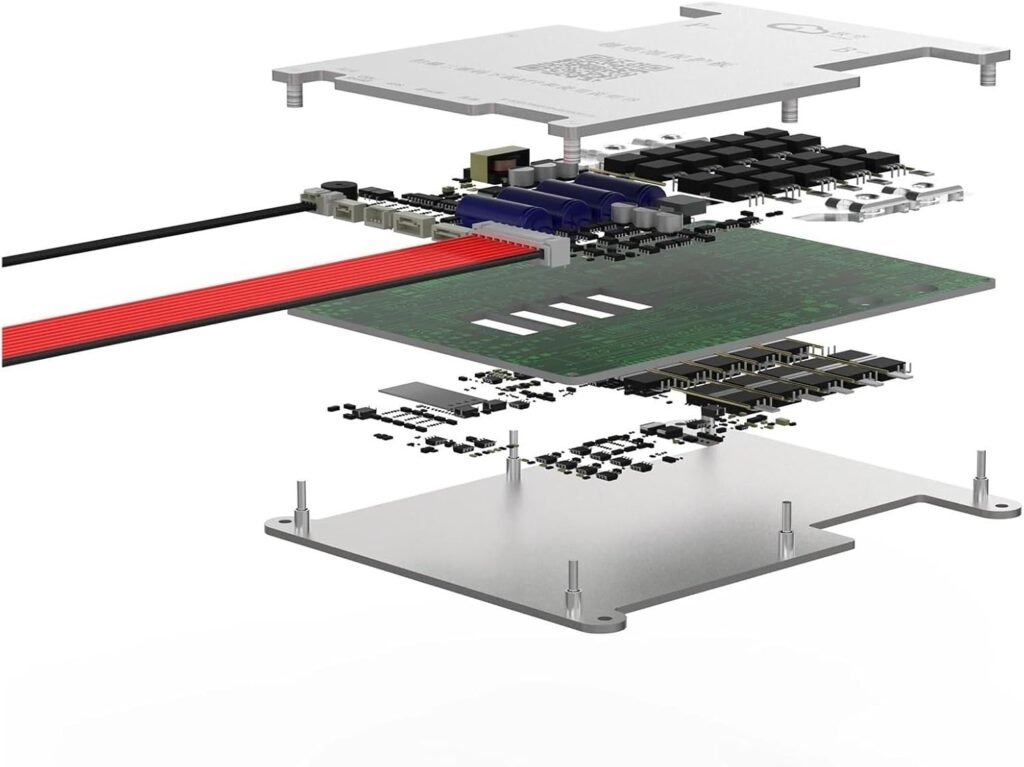
The description highlights that “choosing the right protective plate and proper application is critical to the longevity of your batteries.” We interpret that as a reminder that the BMS is only as good as the way we integrate it.
Importance of Correct Sizing and Setup
We have to match this BMS to:
- The correct chemistry (LiFePO4, not other lithium chemistries without adjustment).
- The correct series count (4S–8S only, for this specific model).
- A reasonable current range (not pushing it beyond its rated limits).
If we oversize our load or underbuild our cabling and connections, no BMS can completely save us from system‑level issues. Proper wiring, fusing, and installation go hand in hand with the BMS.
Application Considerations
We also want to consider environmental conditions:
- Temperature: Even with low‑temperature charge cut‑off, we should still keep the BMS and cells within recommended ranges.
- Ventilation: Active balancing and normal operation produce some heat; good airflow helps the system stay stable.
- Mechanical mounting: Secure mounting reduces stress on connections and reduces the risk of damaged leads or shorts.
When we combine the BMS’s safety features with sensible application, we get a much more robust system.
Comparing B1A8S10P and B1A8S10P‑HC
The product name references two variants: B1A8S10P and B1A8S10P‑HC. The “HC” often stands for “High Current” in similar product families.
Possible Differences Between the Two
While the exact specs may vary by seller, we generally see a pattern like this:
- B1A8S10P: Standard version for moderate currents.
- B1A8S10P‑HC: High‑current version meant for heavier loads, with beefier components and possibly higher continuous current ratings.
If we are running a powerful inverter or frequent high‑draw loads, we are more likely to choose the HC variant.
Why the HC Option Matters to Us
Choosing the HC model can give us more headroom and durability. Components that are not constantly operating at their limit tend to last longer and run cooler.
We just need to ensure that our wiring, connectors, and fuses are also sized appropriately to match whatever maximum currents we plan to draw.
Installation and Setup Experience
Installing a BMS is always a step where we want to move carefully. Even though each of us may have different levels of experience, the process rewards patience.
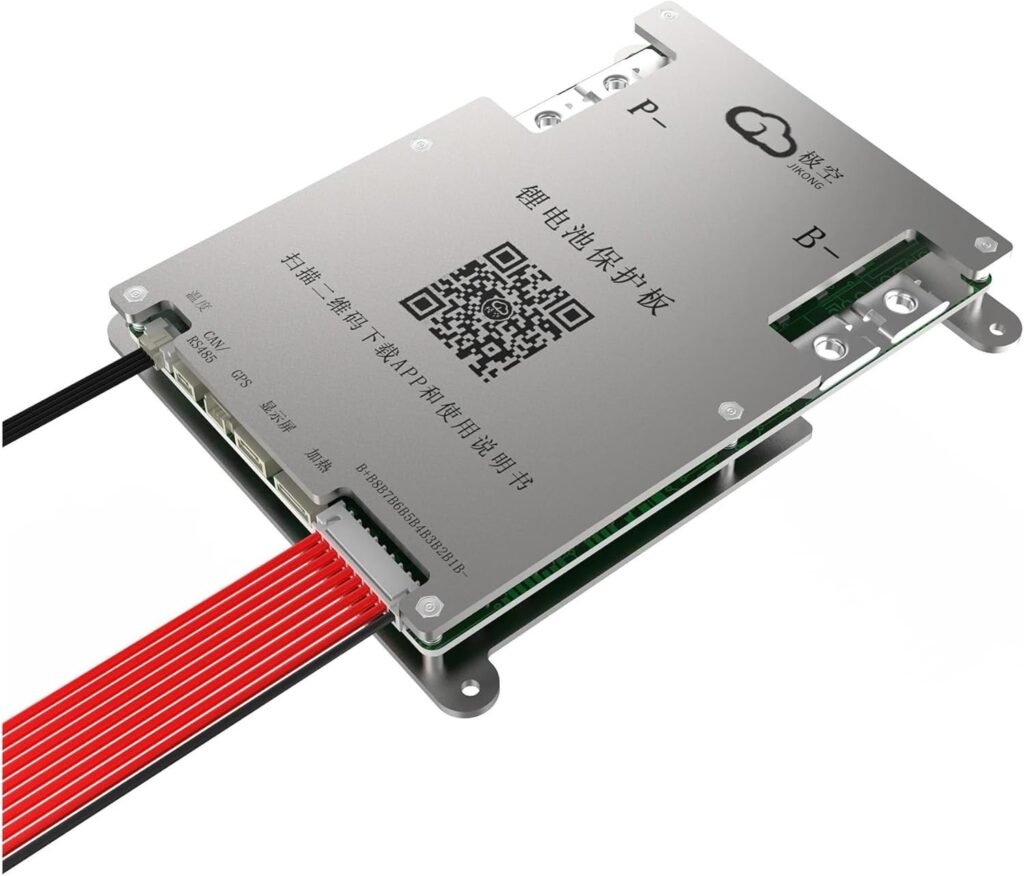
Wiring the BMS to Our Cells
For a typical 4S–8S LiFePO4 pack, we have:
- Main positive and negative battery terminals for high current.
- A series of balance leads that connect to each cell junction in sequence.
We want to make sure:
- We follow the manufacturer’s wiring diagram exactly.
- We connect balance leads in the correct order, usually from the pack’s main negative moving up through each cell.
- We double‑check cell voltages and polarity before powering the BMS.
Doing this methodically helps us avoid damaging the BMS or the cells.
Initial Configuration With the App
Once everything is wired and powered up, we can connect via Bluetooth to the JK app. The app typically allows us to:
- Set cell over‑voltage and under‑voltage thresholds.
- Adjust charge and discharge current limits where applicable.
- Set balance start voltage and other balancing parameters.
- Adjust temperature protection thresholds.
Spending a bit of time to tailor these settings to our particular cells (based on cell spec sheets) gives us a more optimized and safer pack.
Everyday Use and Monitoring
After setup, the BMS almost disappears into the background, quietly protecting and balancing. The app is what we interact with most often.
Watching Cell Voltages and SOC
We find it reassuring to open the app and see all cell voltages lined up neatly. If we ever notice one cell starting to drift, we know the active balance system will start working to bring it back in line.
State of charge (SOC) estimates are also handy for day‑to‑day decisions: Do we have enough energy for another heavy load? Should we start a generator or reduce consumption?
Tracking Long‑Term Battery Health
Over time, we can use the data the BMS provides to understand how our pack is aging:
- Are cells staying well balanced over dozens or hundreds of cycles?
- Does the pack capacity appear stable, or is it starting to decline?
- Are we repeatedly hitting very high or very low SOC levels?
By paying attention to these trends, we can adjust our usage patterns to extend battery life.
Advantages We Appreciate Most
When we step back and look at the whole package, a few strengths stand out clearly.
Strong Combination of App + Active Balancing
Many BMS units offer either a decent app or strong balancing, but not always both at this level. Here we get:
- A dedicated JK app with real‑time monitoring and configuration.
- Intelligent, relatively high‑current active balancing.
That combination helps us extract more value and convenience from our LiFePO4 cells.
Wide Application Range
Because it supports 4S through 8S, and currents in the 100A–350A range depending on variant, we can use this BMS in many different projects:
- Small 12V camper battery systems.
- Mid‑size 24V solar storage banks.
- Larger setups with higher‑power inverters.
This flexibility means that if we grow our system later, the BMS can often grow with us, especially if we plan our pack configuration around its capabilities.
Potential Limitations and Things to Keep in Mind
No product is perfect, and it helps to be honest about potential downsides or constraints before we build around it.
Complexity Compared With Simple Protection Boards
For someone who wants a “simple, hidden” BMS they never have to think about, this might feel like overkill. We get quite a few options and parameters in the app, which is great for control but adds complexity.
We need to be prepared to read through documentation, understand our cell specs, and choose appropriate settings.
DIY Responsibility
The manufacturer reminds us that the right protective plate and proper application are critical for battery longevity. That means:
- We are responsible for appropriate wiring, fusing, and enclosure.
- We must select correct current ratings, series counts, and battery types.
- We should review safety guidelines for working with high‑capacity lithium batteries.
If we are comfortable with DIY electrical work and willing to learn a bit, this is very manageable. If not, we may want professional help.
How It Fits Into a DIY System
Thinking practically, many of us are putting this BMS into a broader system with solar panels, inverters, charge controllers, and loads.
Solar and Off‑Grid Integration
In a solar setup, the JK BMS acts as the brain for our battery bank. It does not replace a charge controller or inverter, but it complements them by:
- Enforcing safe battery voltage and current levels.
- Keeping cells balanced so that the pack performs as well as possible over time.
- Offering us a clear understanding of our storage status through the app.
We still rely on a good MPPT charge controller and an inverter sized for our loads, but the BMS fills that essential protective role inside the pack.
Mobile and Marine Use
In RVs, vans, and boats, space can be tight and access can be awkward. Being able to check the pack via phone instead of climbing into a compartment is a major convenience.
The active balancing shines here as well, because we might be cycling our pack daily and want it to remain as healthy as possible for long trips and off‑grid stays.
Practical Tips for Getting the Most Out of It
When we choose a capable BMS like this, a few good habits can help us maximize its benefits.
Match Settings to Cell Specifications
We should always base our voltage and current limits on the actual data sheets of our LiFePO4 cells, not random values from the internet. For example:
- Set maximum cell voltage in line with manufacturer recommendations.
- Set minimum cell voltage conservatively to avoid deep damage.
- Use reasonable current limits that respect both the BMS and the cells.
By doing this, we align the BMS’s protective logic with what our cells are designed to handle.
Keep Firmware and App Up to Date
If JK offers firmware or app updates, it is wise to keep them current. Updates can bring:
- Better stability.
- New features.
- Improved accuracy or bug fixes.
Regularly checking the app store or the manufacturer’s resources can be part of our maintenance routine.
Summary of Pros and Cons
To make the decision clearer, we can summarize our impressions in a quick table.
| Aspect | What We Like | What to Watch For |
|---|---|---|
| App and Bluetooth | Real‑time monitoring, configuration from phone, user‑friendly data | Requires a smartphone and some learning of app options |
| Active Balancing | Efficient, faster balancing, up to about 1A (0.6–2A range) | More complex than simple passive boards, may need understanding |
| Safety Protections | Over/under‑voltage, over‑current, short circuit, low‑temp charging cut | Still depends on proper installation and wiring |
| Flexibility | Supports 4S–8S LiFePO4, 12V and 24V systems, 100A–350A variants | Must choose correct model (B1A8S10P vs B1A8S10P‑HC) for our needs |
| Performance | Good efficiency, strong balancing, supports demanding DIY systems | Requires thoughtful setup of settings and pack design |
This overview helps us see how well the BMS lines up with our project goals.
When This BMS Makes the Most Sense for Us
We find the JK BMS B1A8S10P / B1A8S10P‑HC particularly suitable when:
- We are serious about building a LiFePO4 pack that we plan to use for years.
- We want an app‑connected solution instead of a “black box.”
- We are comfortable with some DIY configuration and wiring.
- Our system requires reliable current handling in the 100A–350A range.
If these points describe our situation, this BMS can feel like a very solid backbone for our battery bank.
Final Thoughts on the JK BMS B1A8S10P / B1A8S10P‑HC
Overall, the “JK BMS B1A8S10P / B1A8S10P-HC, BMS 4S 5S 6S 7S 8S 12V 24V Battery with 1A Active Balance BMS Lifepo4 (Color : B1A8S10P-HC, Size : JK)” offers us a well‑rounded package for managing LiFePO4 packs in the 4S–8S range.
We get:
- A dedicated JK app with Bluetooth for real‑time monitoring and intuitive control.
- Intelligent active balancing that improves efficiency and cell longevity.
- A strong safety feature set with protections for voltage, current, shorts, and low‑temperature charging.
- Support for a range of system voltages and current ratings that suit many DIY energy projects.
As long as we pair it with good cells, sensible pack design, and careful installation, this BMS can become a powerful and trustworthy partner in our DIY battery system.
Disclosure: As an Amazon Associate, I earn from qualifying purchases.