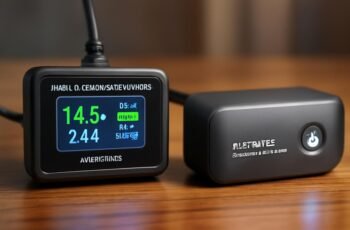
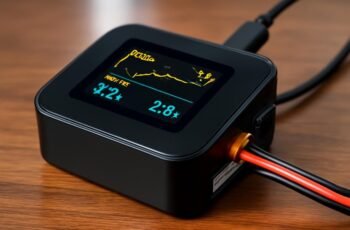
Imagine a precision instrument quietly monitoring every volt and temperature fluctuation in your LiFePO4 battery, adjusting in real time to ensure optimal performance. As we examine automatic versus manual chargers, we find that each approach offers distinct advantages and limitations. Understanding their differences is crucial for selecting the right system to maximize safety, efficiency, and lifespan. Let’s explore how these charging methods compare and what factors should influence your decision.
Key Takeaways
- Automatic chargers offer real-time voltage, current, and temperature regulation, enhancing safety and battery lifespan for LiFePO4 batteries.
- Manual chargers require user intervention and fixed settings, suitable for precise control, troubleshooting, or customized charging needs.
- Automatic chargers provide overcharge protection, automated cutoffs, and ease of use, reducing human error and improving safety.
- Manual chargers are typically lower-cost initially but may need more maintenance and oversight, especially for long-term battery health.
- Hybrid approaches combining automatic and manual features can optimize performance, safety, and longevity for LiFePO4 batteries.
How Do Automatic and Manual LiFePO4 Chargers Differ in Functionality?
How do automatic and manual LiFePO4 chargers differ in functionality? Automatic chargers employ microcontroller-based systems that continuously monitor parameters like voltage, current, and temperature. This allows them to adjust charging rates dynamically, ensuring charger safety and optimizing battery longevity. They automatically switch to maintenance or float modes once the battery reaches full capacity, reducing the risk of overcharging. Manual chargers, on the other hand, require user intervention to control charging stages, relying on fixed voltage and current settings. They lack real-time adjustments, which can increase the risk of charger safety issues if not operated correctly. While manual chargers offer simplicity and cost benefits, automatic chargers provide more precise control, ultimately extending battery lifespan through safer, more consistent charging processes.
What Are the Benefits of Using an Automatic Charger for LiFePO4 Batteries?
Automatic chargers offer distinct advantages for LiFePO4 batteries by enhancing safety, efficiency, and lifespan. Their design ensures precise control over charging cycles, reducing risks like overcharging or thermal runaway. The automatic efficiency of these chargers minimizes energy waste, optimizing power use and reducing costs over time. Moreover, integrated safety features—such as voltage regulation, temperature monitoring, and current limiting—protect both the battery and user. This automated approach reduces human error, providing consistent, reliable charging processes.
- Precise voltage regulation
- Thermal management systems
- Overcharge prevention
- Consistent charge termination
These benefits make automatic chargers a superior choice for maintaining LiFePO4 batteries’ health, offering a safer, more efficient, and longer-lasting solution compared to manual alternatives.
When Should You Opt for a Manual Charger for Your LiFePO4 Batteries?
Under what circumstances should we consider using a manual charger for LiFePO4 batteries? When precise control over charging parameters is necessary, a manual charger becomes essential, especially in scenarios demanding strict lithium safety protocols. Manual chargers allow us to monitor voltage and current carefully, ensuring proper charging etiquette and preventing overcharging or thermal issues. This is particularly relevant during maintenance, troubleshooting, or customized charging cycles where automatic systems might lack the flexibility to adapt. Additionally, if a battery exhibits irregular behavior or if we’re working with aged or compromised cells, manual charging provides the nuanced oversight required to mitigate risks. Overall, manual chargers are best suited for situations where safety, detailed control, and adherence to lithium safety standards are paramount.
How Does Charging Speed and Efficiency Compare Between Automatic and Manual Chargers?
The charging speed and efficiency of LiFePO4 batteries depend considerably on the type of charger used. Automatic chargers typically optimize charging parameters, resulting in faster, more consistent charging cycles with higher charging efficiency. They adjust current and voltage dynamically, reducing overcharging risks and enhancing overall battery lifespan. Manual chargers, however, often require user oversight and fixed settings, which may lead to less efficient charging and longer cycle times due to less precise control. Key considerations include:
- Automatic chargers provide consistent, optimized charging profiles
- Manual chargers depend on user adjustments, risking suboptimal performance
- Enhanced safety features in automatic chargers prevent overvoltage and overheating
- Manual chargers may lack advanced safety measures, impacting efficiency and safety
Which Charger Type Offers Better Safety Features for Lithium Iron Phosphate Batteries?
When evaluating safety features, we focus on overcharge protection mechanisms, temperature monitoring capabilities, and voltage regulation precision, as these are critical for lithium iron phosphate batteries. Automatic chargers often incorporate advanced systems to dynamically adjust charging parameters, reducing risks associated with overvoltage and overheating. In contrast, manual chargers require user oversight, which can introduce safety vulnerabilities if not operated correctly.
Overcharge Protection Mechanisms
How effectively do automatic and manual chargers prevent overcharging of LiFePO4 batteries? Automatic chargers generally excel due to integrated overcharge protection features, such as precise current regulation and shutdown protocols. Manual chargers rely heavily on user vigilance, often lacking real-time overcharge safeguards. Key considerations include:
- Built-in overcharge cutoff mechanisms
- Advanced temperature monitoring to prevent thermal runaway
- Automated current reduction upon nearing full charge
- Alerts or shutdowns during abnormal conditions
Automatic chargers monitor both voltage and temperature continuously, ensuring safer charging cycles. Conversely, manual chargers require manual intervention, increasing risk if oversight occurs. Overall, automatic chargers offer more reliable overcharge protection, especially with integrated temperature monitoring, reducing the likelihood of battery damage or safety hazards.
Temperature Monitoring Capabilities
Automatic chargers are equipped with sophisticated temperature monitoring systems that continuously track battery conditions throughout the charging cycle. These systems enable real-time detection of temperature fluctuations, which is critical for battery protection, especially for Lithium Iron Phosphate (LiFePO4) cells. By maintaining optimal temperatures, automatic chargers prevent overheating that could compromise safety or shorten battery lifespan. This precise temperature regulation also enhances charging efficiency, ensuring that cells charge uniformly without thermal stress. In contrast, manual chargers lack integrated temperature sensors, relying on user oversight, which introduces risks of unnoticed temperature deviations. Consequently, automatic chargers offer superior safety features by proactively managing temperature, reducing the likelihood of thermal runaway, and optimizing overall battery health during charging.
Voltage Regulation Precision
Automatic chargers typically provide higher voltage regulation precision compared to manual chargers, which is essential for ensuring safety with Lithium Iron Phosphate (LiFePO4) batteries. Accurate charge regulation minimizes risks of overvoltage or undervoltage conditions, directly impacting battery longevity and safety. In a safety comparison, automatic chargers offer consistent monitoring and real-time adjustments, reducing human error. Key advantages include:
- Precise voltage control throughout the charge cycle
- Reduced risk of thermal runaway or damage
- Enhanced protection against overcharging
- Improved overall safety margins for LiFePO4 batteries
This superior charge regulation capability makes automatic chargers more reliable in safeguarding LiFePO4 batteries, especially in critical applications where safety and longevity are paramount.
How Easy Is It to Use Automatic Chargers Versus Manual Chargers?
Determining the ease of use between automatic and manual chargers hinges on their operational complexity and user interaction. Automatic chargers excel in simplicity, often featuring plug-and-play functionality that minimizes user intervention, which simplifies charging etiquette. They automatically detect full capacity, reducing risks of phantom charging or overcharging, making them more user-friendly. Manual chargers, however, demand a higher level of technical understanding, requiring users to monitor voltage levels and adjust settings accordingly, increasing the likelihood of errors. While manual chargers offer more control, their operational complexity can hinder inexperienced users. Overall, automatic chargers are more accessible, especially for those unfamiliar with battery management, whereas manual chargers necessitate a more technical approach, making them less intuitive for casual users.
What Are the Cost Implications of Choosing Automatic vs. Manual Chargers?
When comparing automatic and manual chargers, the initial purchase cost is a key factor, with automatic units typically commanding higher prices due to advanced features. Over time, maintenance expenses also differ, as automatic chargers may require less frequent servicing but contain more complex components that could be costlier to repair. Analyzing these financial aspects helps determine the most cost-effective choice for long-term Lifepo4 battery management.
Initial Purchase Costs
Have you ever considered how the initial purchase costs of chargers influence your overall investment in LiFePO4 battery systems? Automatic chargers generally have higher upfront costs due to advanced control circuitry and integrated features, impacting the initial budget. Manual chargers tend to be more affordable but may require additional components, such as specialized charge cables or adapters for different battery modules. Key cost considerations include:
- Higher base price of automatic chargers with smart functionalities
- Compatibility costs for various battery modules
- Additional charge cables for different configurations
- Potential need for auxiliary equipment to support automation features
While automatic chargers demand a larger initial outlay, their integration can streamline setup and reduce errors, potentially offsetting costs over time. Careful evaluation of these factors is essential for an informed investment decision.
Long-Term Maintenance Expenses
Are long-term maintenance costs a significant factor when choosing between automatic and manual chargers for LiFePO4 batteries? Yes, they impact overall cost optimization and charging safety. Automatic chargers typically require less user intervention, reducing the risk of human error that can compromise charging safety over time. This minimizes potential repair or replacement expenses linked to improper charging procedures. Conversely, manual chargers may entail ongoing costs due to frequent calibration, maintenance, and the need for user vigilance to ensure proper operation. Over the long term, automatic systems often prove more cost-effective by streamlining maintenance and enhancing safety, thereby preventing costly battery damage. Ultimately, considering these expenses helps optimize total ownership costs while maintaining reliable performance and safety standards.
How Do Maintenance and Longevity Differ Between the Two Charging Methods?
How do maintenance requirements and lifespan differ between automatic and manual chargers for LiFePO4 batteries? Automatic chargers generally optimize the battery chemistry through precise, consistent charging cycles, reducing the risk of overcharge or undercharge, which can extend longevity. Manual chargers require diligent adherence to proper charging etiquette, as improper operation can damage the battery or shorten its lifespan. Regular maintenance for manual chargers involves more frequent inspection and calibration, whereas automatic chargers typically self-regulate. Key points include:
- Automatic chargers maintain optimal voltage and current levels, protecting battery health.
- Manual chargers demand user awareness of battery chemistry and charging protocols.
- Overcharging risks are minimized with automatic systems, boosting longevity.
- Proper maintenance of manual chargers is essential to avoid damaging the battery’s lifespan.
What Factors Should You Consider When Selecting the Right Charger for Your LiFePO4 Batteries?
Selecting the appropriate charger for your LiFePO4 batteries requires careful consideration of several critical factors that directly influence performance and lifespan. First, evaluate clarity versus cost—more advanced chargers often provide precise control and monitoring, but at a higher expense. Safety versus speed is another key consideration; rapid charging can save time but may compromise battery health if not managed properly. It’s essential to ensure the charger supports proper voltage and current regulation tailored to LiFePO4 chemistry, preventing overcharge or thermal issues. Compatibility with your battery capacity and system requirements is also vital. Ultimately, the ideal charger balances clear, accurate charging parameters with cost-effectiveness, prioritizes safety to prolong battery life, and aligns with your operational speed needs.
Can You Combine Automatic and Manual Charging Strategies for Optimal Battery Care?
Combining automatic and manual charging strategies can provide a balance between convenience and precise control, which may enhance overall battery longevity. By integrating both methods, we can tailor charge profiles to optimize performance and reduce stress on the cells. Exploring this hybrid approach requires careful consideration of how each strategy influences battery health over time.
Balancing Charging Flexibility
While automatic and manual charging strategies each offer distinct advantages, integrating them can provide a more thorough approach to LiFePO4 battery management. Combining these methods enhances balancing charging and maximizes flexibility benefits. Manual intervention allows precise adjustments during critical balancing periods, ensuring cells remain within optimal voltage ranges. Automated systems handle routine balancing efficiently, reducing user workload. The synergy between strategies enables tailored charging protocols that adapt to specific operational demands. Key benefits include:
- Fine-tuned control over charging thresholds
- Improved cell voltage uniformity
- Reduced risk of overcharging or undercharging
- Enhanced overall battery lifespan
This hybrid approach ensures comprehensive balancing charging, leveraging automation’s efficiency and manual precision to optimize battery health and performance.
Enhancing Battery Longevity
Optimizing battery longevity requires a strategic approach that leverages both automatic and manual charging methods to address the specific needs of LiFePO4 cells. By carefully managing charging cycles, we can minimize stress and degradation, extending overall lifespan. Automatic chargers excel at maintaining consistent, optimal voltage levels, reducing overcharging risks, especially in solar integration systems. However, manual intervention allows for tailored adjustments based on real-time battery health assessments, ensuring fewer shallow or deep cycles that shorten lifespan. Combining both strategies enables precise control over charge termination and voltage limits, optimizing cycle count and balancing. This hybrid approach ensures batteries experience fewer stress points, ultimately enhancing longevity and performance while maximizing the benefits of renewable energy sources like solar power.
Frequently Asked Questions
Are Automatic Chargers Compatible With All Lifepo4 Battery Brands?
Automatic chargers generally offer broad compatibility, but their effectiveness depends on battery branding and specific voltage requirements. We recommend verifying each Lifepo4 battery’s specifications to ensure automatic compatibility, as variances can affect charging efficiency and safety.
Can Manual Chargers Overcharge Lifepo4 Batteries if Not Monitored?
Manual chargers pose a manual risk of overcharging Lifepo4 batteries if not carefully monitored, due to limited charging compatibility and lack of automatic shutoff features; continuous oversight is essential to prevent potential damage.
Do Automatic Chargers Require Regular Software Updates?
Automatic chargers often require regular software updates to refine their automatic firmware and charging heuristics, ensuring optimal performance. Without updates, they might not adapt to battery changes, potentially risking inefficient charging or safety issues over time.
How Do Temperature Controls Differ Between Automatic and Manual Chargers?
We observe that automatic chargers utilize advanced temperature management through dynamic charging algorithms, adjusting power based on battery temperature, while manual chargers often lack real-time temperature control, relying on fixed settings that may neglect ideal thermal conditions.
Is There a Risk of User Error With Automatic Chargers?
There is a minimal risk of user error with automatic chargers, but compatibility concerns and varying brand quality can lead to issues. Users must ensure their charger’s specifications match their LiFePO4 batteries to prevent damage.
Conclusion
In conclusion, choosing between automatic and manual chargers hinges on your specific needs, balancing precision, safety, and cost. Studies show that batteries maintained with automated systems last up to 30% longer due to consistent voltage and temperature regulation. By understanding your usage patterns and safety requirements, you can optimize battery lifespan and performance. Ultimately, integrating automation with manual oversight offers a robust strategy, ensuring reliability and maximizing the longevity of your LiFePO4 batteries.