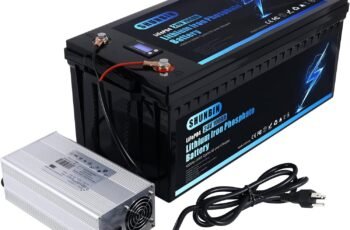
Have we ever wished our battery bank could manage itself more intelligently, stay healthier for longer, and tell us exactly what’s going on in real time?

What Is the JK BMS Battery Equalizer and Why Should We Care?
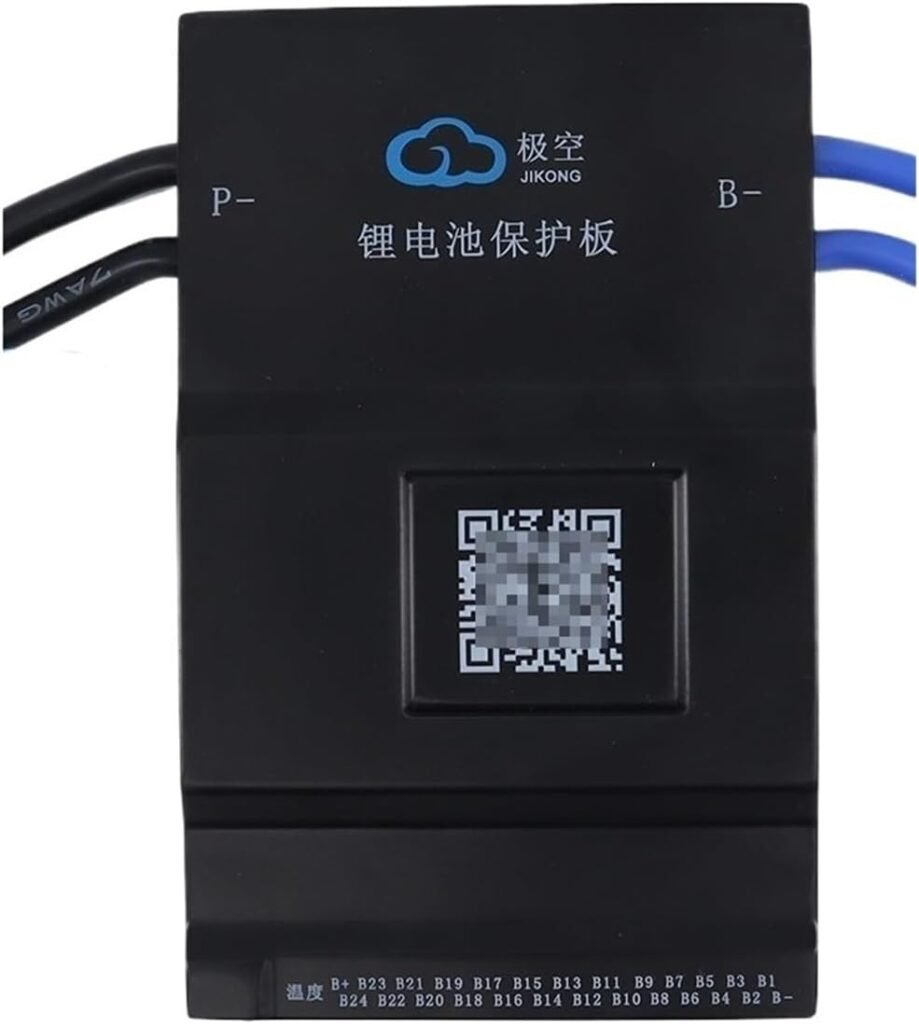
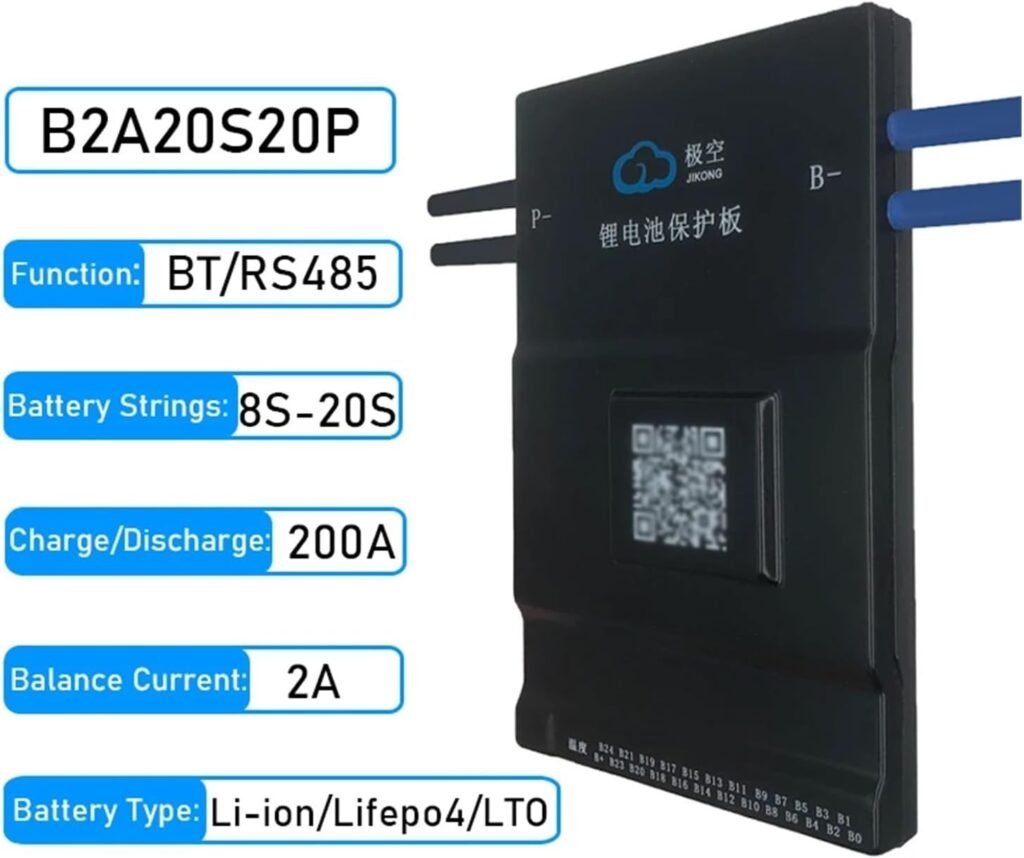
This product, the JK BMS Battery Equalizer Jk BMS Active Balance BMS 8S 12S 13S 14S 16S 17S 20S 24S Smart BMS 60A 80A 100A 150A 200A 600A Lifepo4 Li-Ion Lto Battery Protection Module (Color : B2A20S20P, Size: …), is essentially the “brain” and “bodyguard” for our battery pack. It protects our cells, balances them, and gives us control and data through a dedicated app.
We are looking at it as a solution for DIY battery systems—especially LiFePO₄, Li‑ion, and LTO—where we want both safety and performance. If we are designing our own battery bank, this is the sort of component that can make or break the longevity and reliability of the entire system.
Main Features at a Glance
This JK BMS packs several key functions that matter in day‑to‑day use. It is not just a simple protection board; it is an actively balancing smart BMS with app connectivity and multiple protections built in.
To make things clearer, here is a quick breakdown of the core characteristics:
| Feature Category | What It Offers |
|---|---|
| Supported Chemistries | LiFePO₄, Li‑ion, LTO |
| Series Cell Options | 8S, 12S, 13S, 14S, 16S, 17S, 20S, 24S (varies by model) |
| System Voltage Examples | 12V (4S), 24V (8S), 48V (16S), 72V (24S) |
| Current Ratings | 60A, 80A, 100A, 150A, 200A, up to 600A (model dependent) |
| Balancing Type | Active balancing, 0.6–2A active balance current |
| Connectivity | Bluetooth (BT) communication + dedicated JK app |
| Protections | Overcharge, over‑discharge, over‑current, short circuit, low‑temp charge cut |
| Typical Use Cases | DIY powerwalls, RV/van systems, off‑grid solar, backup systems |
We can consider this BMS as a higher‑end option when we are serious about getting long life from our battery cells while keeping the pack well managed and fully monitored.

Active Balancing: What Makes This JK BMS Stand Out
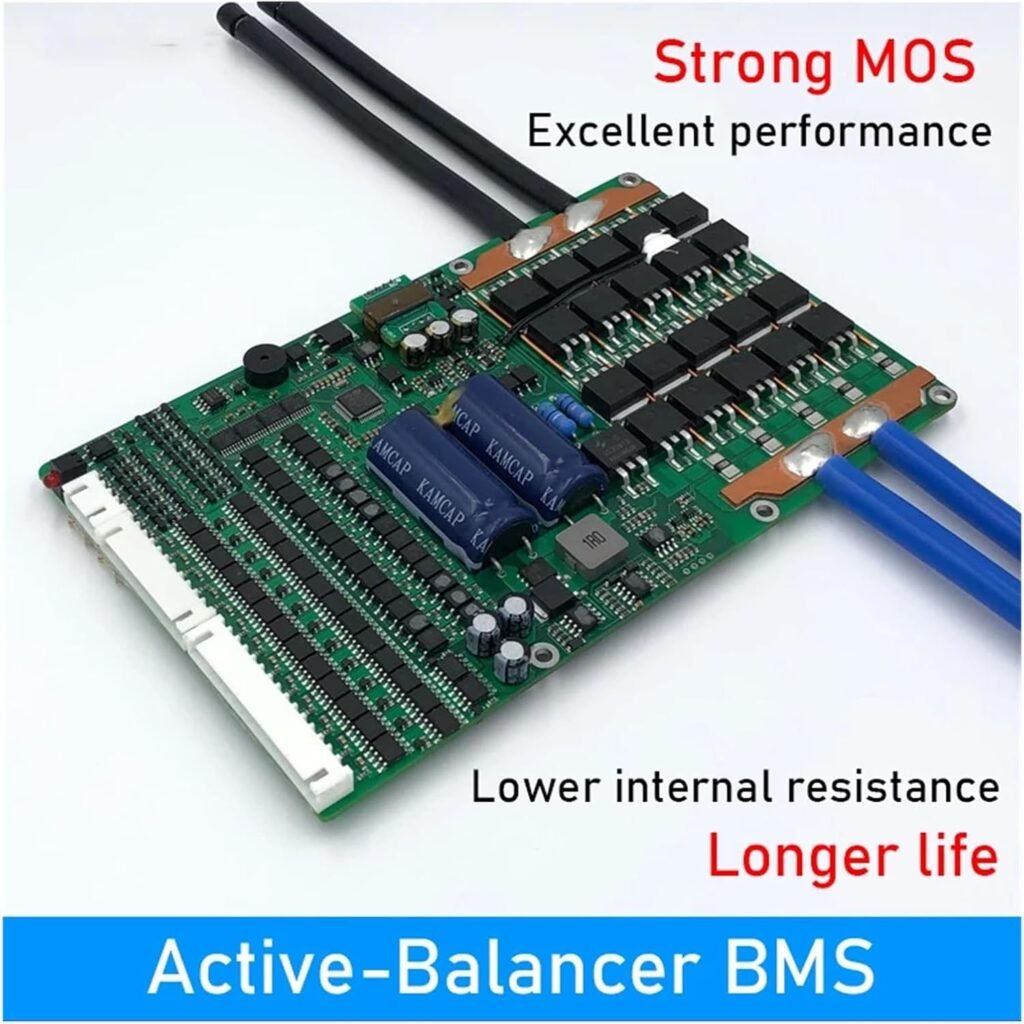
Most low‑cost BMS units use passive balancing, which simply bleeds off extra energy from higher‑voltage cells as heat. This works, but it wastes energy and is slow. This JK BMS uses active balancing instead, which redistributes charge from higher‑voltage cells to lower‑voltage ones.
How JK Active Balancing Works in Plain Terms
With active balancing, the BMS moves energy between cells rather than just burning it off. This process can significantly improve efficiency and cell consistency across the pack.
In this JK model, we are told the active balancing current is in the 0.6–2A range. That is much stronger than typical passive balancing currents, which are often 30–100mA. Over time, this higher current means the pack equalizes faster and stays more balanced under real‑world conditions.
Why Active Balancing Matters for Our Battery Bank
When our cells are kept closer in voltage, the entire pack behaves more predictably and safely. A weak cell won’t be chronically overcharged or over‑discharged, and we can use more of the total capacity without stressing the most vulnerable cell.
This translates into:
- Higher usable capacity from the same pack
- Less cell drift over time
- Longer overall battery life
The manufacturer claims up to 99% efficiency in battery usage thanks to this active balancing method. While that number is challenging to verify in every situation, the principle is sound: more efficient energy redistribution means less waste and more usable energy.
Smart App Control: JK’s Own Development App
One of the most appealing aspects of this BMS is that JK has its own dedicated app, instead of relying on generic third‑party tools with limited functionality.
Real-Time Monitoring in Our Pocket
With Bluetooth communication, this BMS can report real‑time battery data directly to our smartphone. We can see individual cell voltages, pack voltage, current, temperature, and the status of protections and balancing.
Having this information available at a glance helps us:
- Quickly diagnose issues, like a weak or failing cell
- Adjust system behavior based on real conditions
- Gain confidence that our battery is operating safely and efficiently
It is especially useful when we have a pack tucked away in a cabinet, vehicle, or battery room where constantly hooking up meters is inconvenient.
Configuration and Tuning Through the App
Beyond monitoring, the JK app allows us to adjust BMS parameters. While exact options vary by firmware and model, typical settings often include:
- Charge and discharge voltage thresholds
- Over‑current limits
- Temperature thresholds for charging and discharging
- Balancing start voltage or delta thresholds
Having these controls at our fingertips is a big leap from simple “black box” BMS units. It lets us tailor the behavior to our specific pack and environment, which can be crucial when we combine cells of slightly different characteristics or operate in varied temperatures.
Protection Functions: Guarding Our Investment
A good BMS is about more than just balancing. It is also about protection—keeping the battery within safe operating limits so we do not damage expensive cells or risk safety hazards.
Core Protections Included
This JK BMS offers protections against:
- Overcharge – Stops charging when cells reach a defined maximum voltage
- Over‑discharge – Cuts off discharge when cells drop below a safe limit
- Over‑current – Limits current to prevent damage to cells and wiring
- Short circuit – Shuts down immediately in the event of a short
- Low temperature charging – Prevents charging when the cells are too cold
These safeguards are must‑haves for modern lithium‑based batteries, especially LiFePO₄ and Li‑ion. Without them, we risk permanently damaging the cells or triggering thermal events in extreme cases.
Why the Low-Temperature Charge Cutoff Is Important
Charging lithium batteries at low temperatures, particularly below freezing, can cause lithium plating on the anode. This process reduces capacity and can create internal shorts over time. By including low‑temperature charging shutdown, this BMS helps protect our pack during winter or in cold indoor environments.
If we live in a climate with seasonal temperature swings, this feature alone can save us from early capacity loss.
Supported Chemistries: LiFePO₄, Li-Ion, and LTO
One area where this JK BMS is quite flexible is in the chemistries it supports. It is designed to work with:
- LiFePO₄ (LFP)
- Li‑ion (such as NMC, NCA)
- LTO (Lithium Titanate)
What This Means in Practice
Each battery chemistry has different:
- Nominal cell voltages
- Charge and discharge limits
- Temperature sensitivities
A BMS that explicitly supports all three chemistries gives us flexibility when designing or upgrading our system. We can, for instance:
- Build a robust LiFePO₄ bank for off‑grid solar
- Use Li‑ion for a more compact, higher energy‑density system
- Use LTO where we prioritize extremely long cycle life and fast charging
We need to set the correct parameters for our chosen chemistry within the app or configuration tools, but having that chemical flexibility is powerful for advanced DIY setups.
Voltage and Series Cell Options: From 12V to 72V and Beyond
The product details highlight support for:
- 12V / 4S
- 24V / 8S
- 48V / 16S
- 72V / 24S
And the broader product name indicates compatibility with multiple series configurations: 8S, 12S, 13S, 14S, 16S, 17S, 20S, 24S, depending on the specific model we choose.
Where These Configurations Fit
-
12V (4S LiFePO₄)
- Small off‑grid systems
- Marine batteries
- RV house batteries
-
24V (8S)
- Mid‑sized off‑grid arrays
- Larger RV or van conversions
- Power tools or small inverters
-
48V (16S)
- Home solar powerwalls
- Larger inverters for significant AC loads
-
72V (24S)
- High‑power e‑mobility projects
- Specialized industrial systems
By supporting these options, the JK BMS can scale with our projects, from modest mobile setups to permanent home installations.
Current Ratings: Up to 600A for High-Power Systems
The JK BMS line for this model range includes several current ratings:
- 60A, 80A, 100A, 150A, 200A, and up to 600A (depending on the specific variant)
Matching the BMS to Our System Size
When we choose a current rating, we should match it to:
- The maximum continuous load we expect (such as inverter or motor draw)
- The peak surge current of our devices (for example, inrush when starting motors)
- Our battery capacity, since very small packs combined with very large currents can stress the cells
A high‑current 600A BMS is clearly aimed at substantial packs—think large inverters or heavy‑duty mobile systems. Mid‑range BMS units like 100A–200A are often enough for typical home solar setups or serious van/RV builds.
We should always size the BMS with a margin above our worst‑case continuous current, and consider surge loads if our inverter or motor can briefly exceed the continuous rating.
Where This JK BMS Is Typically Used
The product details mention it as a perfect choice for DIY systems. That aligns well with how many hobbyists and pros use this series of BMS units.
Common Application Scenarios
We would typically see this BMS used in:
-
Off‑grid solar battery banks
To store energy from panels and power household loads with an inverter. -
DIY powerwalls
For home backup or energy arbitrage, where we want robust monitoring and balancing. -
RV, van, and marine systems
Where weight, space, and efficiency are important, and we want remote monitoring. -
Backup power systems (UPS)
To run critical loads during outages, often with LiFePO₄ banks. -
Electric mobility projects
Such as electric carts, bikes, or small vehicles (when paired with the correct current rating and pack design).
In all these scenarios, the combination of active balancing, smart app control, and high current capacity makes this BMS very attractive.
Safety and Design Considerations
The product description underlines that choosing the right protection board and application is critical to battery longevity. We completely agree. The BMS is not just another accessory; it is part of the battery’s health plan.
Unique Design Focused on Safety
While the listing hints at a unique design, what practically matters to us is:
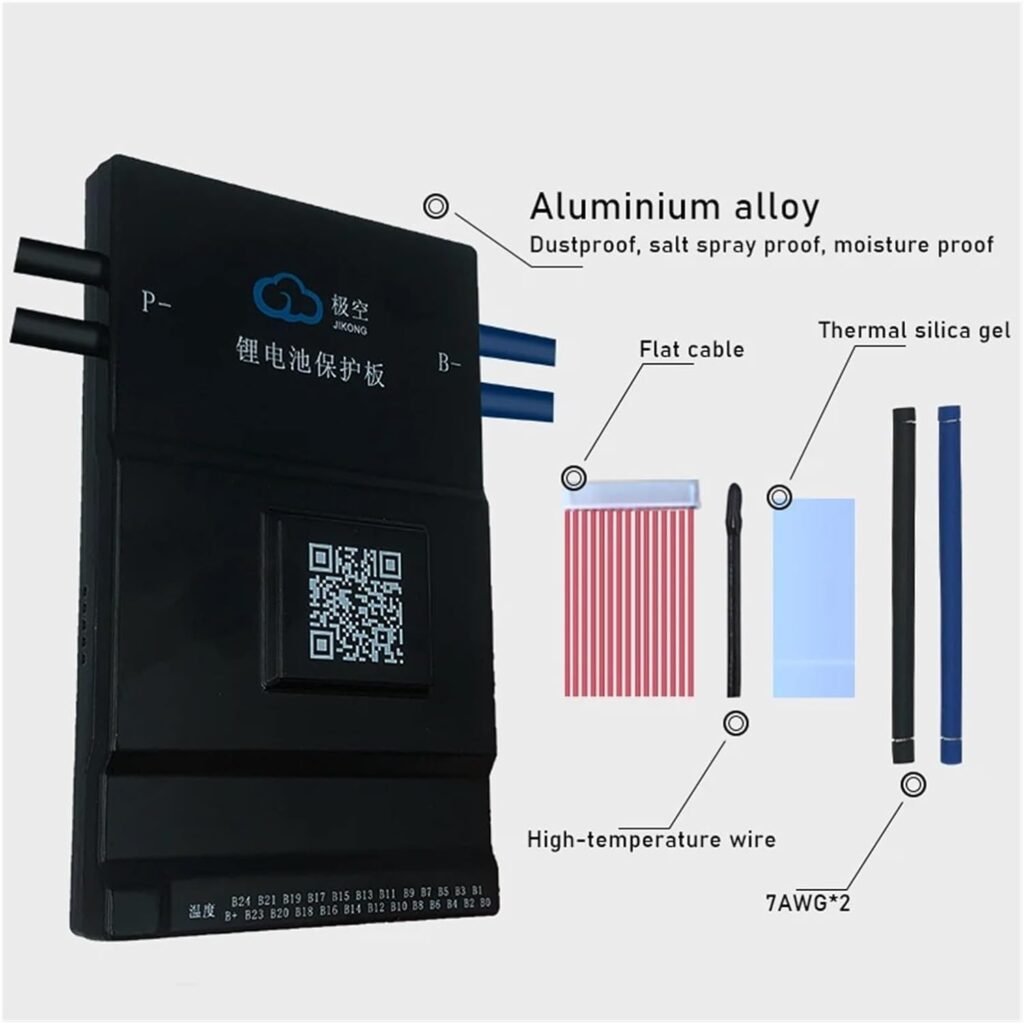
- Solid thermal management (heat sinks, layout, and current paths)
- Robust PCB design for high current handling
- Reliable connectors for both main current and balance leads
- Stability of firmware for protection logic and communication
JK has built a reputation in enthusiast communities as a brand that takes these aspects seriously. Many users favor JK BMS units precisely because the design is less “bare‑bones” compared to ultra‑cheap generic boards.
We still need to observe good installation practices—fuse protection, appropriate cable sizing, and correct ventilation—but a well‑designed BMS greatly reduces the chances of catastrophic battery failures.
Installation and Setup Overview
This is not a beginner‑level plug‑and‑play device in the sense of a drop‑in replacement battery. We are installing a bare BMS onto our own pack, so we need some electrical competence.
Key Steps in a Typical Installation
While we should always follow the official JK manual and wiring diagrams, the general process often includes:
-
Planning the Pack Layout
- Deciding series and parallel configuration (for instance, 16S for 48V, with a certain number of parallel cells per group).
- Ensuring we match this layout to the specifications of the BMS (e.g., 16S version for a 48V LiFePO₄ pack).
-
Connecting Balance Leads
- Each cell group gets a balance wire connected to its positive terminal.
- The sequence and numbering must strictly follow the JK wiring guide to avoid damage.
-
Connecting Main Power Leads
- The pack positive usually goes directly to the system, while the pack negative routes through the BMS.
- The BMS then controls charge and discharge currents via its internal MOSFETs or contactors.
-
Initial Power‑On and App Pairing
- Once wired correctly, we power the BMS and pair it with the JK app via Bluetooth.
- We verify the cell voltages and pack voltage to ensure the system is reading correctly.
-
Setting Parameters
- We configure charge/discharge limits for our chosen chemistry.
- We set balances thresholds and confirm over‑current and temperature settings.
Correct wiring and setup are crucial. A mis‑wired BMS can be damaged in seconds. Taking time to double‑check every connection before powering on is always worth it.
Using the JK App in Day-to-Day Operation
After installation, the main way we interact with the system is through the JK app. This is where the smart capabilities really shine.
What We Typically See in the Interface
The JK app usually provides:
- Per‑cell voltages – So we can spot imbalance quickly.
- Pack voltage and current – Instant feedback on charge/discharge status.
- State of charge (SOC) estimate – A convenience metric, though we should treat it as approximate.
- Temperature readings – For one or more sensors.
- Event logs or flags – For over‑voltage, under‑voltage, or other protection events.
Having this data visible helps us tune our charging sources (solar charge controllers, inverters, power supplies) and confirm everything is operating within safe limits.
Adjusting Settings as Our Needs Evolve
Over time, we might want to:
- Change our maximum charge voltage if we decide to prioritize longevity over maximum capacity.
- Tighten or relax the over‑current limits as we upgrade equipment.
- Adjust balancing thresholds if we see that our cells remain reasonably close in voltage.
The app makes these adjustments straightforward compared with BMS units that require serial connections or cryptic command line tools.
Efficiency, Performance, and Real-World Benefits
The manufacturer claims up to 99% efficiency in battery usage thanks to the active balancing system. Conceptually, this means:
- Less energy is lost as heat during balancing.
- Our pack can use more of its stored capacity.
Performance Gains in Practice
In real projects, we should notice:
- More consistent cell voltages across the pack at full charge and near empty.
- Reduced need for long, slow, top‑balancing sessions.
- Improved capacity retention over hundreds or thousands of cycles, especially if we also tune our charge voltages conservatively.
When combined with properly matched cells and a good charging strategy, this BMS can help protect a substantial investment in high‑quality lithium cells.
Pros and Cons of the JK BMS Battery Equalizer
To help us weigh our decision, here is a balanced look at the strengths and limitations of this product line.
Advantages
-
Active balancing with 0.6–2A current
We get faster, more effective balancing than standard passive BMS units. -
Dedicated JK app with Bluetooth connectivity
We can monitor and configure our system easily from a phone. -
Wide chemistry compatibility
Support for LiFePO₄, Li‑ion, and LTO gives us flexibility for future projects. -
Multiple voltage and series cell options
We can use it for 12V, 24V, 48V, 72V, and other system designs, depending on the specific BMS model. -
High current capability
With options up to 600A, we can support powerful inverters, motors, or large home systems. -
Comprehensive protection features
Overcharge, over‑discharge, over‑current, short circuit, and low‑temperature charge cutoff cover the most critical safety aspects. -
Well‑regarded among DIY enthusiasts
JK BMS units often receive positive feedback in DIY and technical communities for their functionality and value.
Potential Drawbacks
-
More complex than basic BMS boards
The added features and active balancing make installation and configuration a bit more involved. -
App quality and updates
As with any proprietary app, our experience will depend on JK’s ongoing support and updates. -
Requires good understanding of pack design
We need to be comfortable with series/parallel configurations, safe wiring, and basic electrical safety. -
Model selection can be confusing
With many variants (8S to 24S, 60A to 600A, and different codes like B2A20S20P), we have to choose carefully to match our exact setup.
Choosing the Right Variant for Our Project
The full product name mentions “Color: B2A20S20P” and multiple current/series options. To get the right BMS, we should match:
- Series count (S) to our pack: 8S, 12S, 13S, 14S, 16S, 17S, 20S, or 24S
- Current rating (A) to our expected continuous and peak load
- Chemistry (LiFePO₄, Li‑ion, LTO) to our battery cells
Steps to Select the Proper Model
-
Determine our system voltage and chemistry
- For instance, a 48V LiFePO₄ pack is typically 16S.
-
Calculate our maximum current
- Add up the maximum draw of our inverter or loads and include a margin.
-
Check manufacturer listings
- Verify which series and current variants match those values exactly.
-
Ensure compatibility with our existing hardware
- Confirm that the BMS’s communication and control outputs fit with any inverters or chargers that might integrate with it.
Spending a bit of extra time selecting the correct variant will prevent headaches later and ensure we get the features we actually need.
Long-Term Reliability and Battery Longevity
One of the core reasons we even consider an active balancing BMS like this JK model is to maximize long‑term reliability and battery life.
How This BMS Supports Longer Cell Life
The combination of:
- Active balancing
- Precise voltage control
- Proper temperature safeguards
- Good current limiting
helps our cells stay within recommended operating ranges. When we combine this with:
- Reasonable charge voltages (for example, not always pushing to absolute maximum)
- Moderate discharge depths (not running to very low SOC regularly)
we should see noticeably better cycle life compared with unmanaged or poorly managed packs.
Instead of our battery pack degrading quickly over a few hundred cycles, we can often reach thousands of cycles while still retaining the majority of original capacity, especially with LiFePO₄ and LTO chemistries.
Who This JK BMS Is Best Suited For
We might ask ourselves: is this BMS a good match for our specific skill level and project goals?
Ideal Users
This JK BMS is well suited for:
- DIY builders who want serious control and monitoring
- Technically inclined users who are comfortable reading wiring diagrams and tuning parameters
- Off‑grid and RV owners who want a long‑lasting battery system rather than a disposable setup
- Enthusiasts who appreciate active balancing and want to keep cell voltages tightly controlled
In other words, if we are willing to spend some time on installation and learning, we can get a very capable system out of this unit.
Who Might Want a Simpler Option
If we prefer a fully drop‑in battery with everything pre‑wired and a warranty that covers the entire pack, a standalone BMS like this may be more hands‑on than we want.
For users who are not comfortable managing wiring, safety fuses, and configuration, a pre‑assembled battery with an integrated BMS from a reputable vendor might be a better choice—even if it costs more per kWh.
Practical Tips for Getting the Most Out of This BMS
To make the best use of the JK BMS Battery Equalizer in a real system, we can follow a few practical guidelines.
1. Start with Well-Matched Cells
Active balancing is powerful, but it is not magic. We get the best results if:
- Our cells are similar in capacity and internal resistance
- We top‑balance new cells before assembly where appropriate
- We avoid mixing very old and new cells in one pack
A well‑matched pack plus active balancing leads to excellent stability.
2. Configure Safe and Conservative Limits
Instead of pushing maximum rated voltages and currents, we can:
- Lower the maximum charge voltage slightly below the absolute max
- Avoid discharging to the very bottom of the battery’s range
- Set over‑current protection in a realistic, not overly aggressive, range
By being slightly conservative, we can trade a small amount of capacity for much longer cycle life and cooler operation.
3. Monitor Regularly at First
During the first weeks of use, we should:
- Check the app frequently to confirm cell balance and temperatures
- Watch for any cell that diverges consistently from the rest
- Adjust settings if we see patterns like rapid cutoff events or frequent balancing at unusual voltages
Once the system proves stable, we can relax and check it less often, but early monitoring helps catch problems before they escalate.
4. Combine with Good System Design
A capable BMS does not replace good engineering. We still need:
- Proper fuses and circuit breakers
- Correct wire gauge for all current paths
- Reliable mechanical connections and strain relief
- Adequate ventilation or temperature control for the pack area
With these basics in place, the BMS can do its job more effectively.
Our Overall Take on the JK BMS Battery Equalizer
This JK BMS Battery Equalizer Jk BMS Active Balance BMS 8S 12S 13S 14S 16S 17S 20S 24S Smart BMS 60A 80A 100A 150A 200A 600A Lifepo4 Li-Ion Lto Battery Protection Module (Color : B2A20S20P, Size: …) stands out primarily because of its active balancing, dedicated app, and support for multiple chemistries and system sizes.
We see it as a strong choice when:
- We want to build a high‑quality lithium battery bank ourselves
- We care about cell health and visibility into what is happening inside the pack
- We need scalability from smaller 12V setups to larger 48V or 72V systems
- We appreciate having detailed control over charging, discharging, and protection thresholds
It demands respect and care during installation, but for users who are comfortable with that, it offers a compelling mix of performance, safety, and flexibility. With proper design and configuration, this JK BMS can become the central nervous system of a robust and long‑lasting DIY energy storage solution.
Disclosure: As an Amazon Associate, I earn from qualifying purchases.