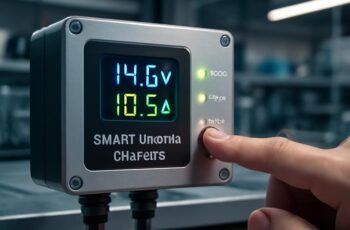
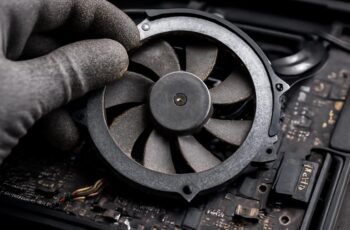
Maintaining solar-integrated LiFePO4 chargers requires a systematic approach to ensure efficiency and longevity. Regular inspections, monitoring performance metrics, and proper storage are essential components of an effective maintenance strategy. Neglecting these practices can lead to degraded performance or safety risks. As we explore the best practices, consider how each step contributes to reliable operation and what specific measures can prevent common issues before they escalate.
Key Takeaways
- Regularly inspect and clean solar panels, chargers, and connection points to ensure optimal performance and prevent corrosion.
- Verify secure, corrosion-free connections and tighten loose cables promptly during routine maintenance.
- Monitor voltage, current, and battery health metrics to detect issues early and extend system lifespan.
- Follow safe charging practices by avoiding extreme temperatures and using compatible, certified chargers.
- Keep firmware and software updated to ensure system stability, security, and optimal functionality.
How Do Solar-Integrated LiFePO4 Chargers Work and Why Maintenance Matters
How do solar-integrated LiFePO4 chargers operate, and why is regular maintenance essential for optimal performance? These chargers utilize solar integration to convert sunlight into electrical energy, efficiently managing LiFePO4 charging processes. The system’s core components—solar panels, charge controllers, and batteries—work together to optimize power transfer while preventing overcharging or deep discharging. Regular maintenance ensures these components function at peak efficiency by preventing dust buildup, corrosion, and component degradation that can impair energy flow. Proper upkeep maintains the integrity of the solar integration system, safeguarding consistent power delivery and prolonging charger lifespan. In essence, diligent maintenance of solar-integrated LiFePO4 chargers ensures reliable, safe, and efficient operation, maximizing energy harvest and storage effectiveness over time.
Regularly Inspect and Clean Your Solar Panels and Chargers
To ensure optimal performance of solar-integrated LiFePO4 chargers, regular inspection and cleaning of the system components are necessary. Effective solar panel cleaning removes dirt, dust, and debris that hinder sunlight absorption, directly impacting energy efficiency. Charger inspection involves checking connections, verifying voltage outputs, and identifying corrosion or wear that could compromise functionality.
Regularly inspect and clean solar panels and chargers to ensure peak performance and extend system lifespan.
Key practices include:
- Conducting visual inspections for physical damage or corrosion
- Cleaning solar panels with appropriate tools and solutions to avoid scratches
- Verifying charger connections for secure and corrosion-free contacts
- Monitoring for any irregular voltage or current readings during inspections
These steps help maintain maximum efficiency, prevent unexpected failures, and extend the lifespan of both solar panels and chargers.
Monitor Battery Health and Performance Metrics Consistently
We need to regularly monitor key battery metrics such as voltage levels, capacity, and efficiency to ensure ideal performance. Tracking these parameters allows us to identify early signs of degradation or imbalance, enabling timely interventions. Consistent measurement helps maintain the longevity and reliability of the LiFePO4 system.
Regularly Check Voltage Levels
Regularly checking voltage levels is essential for accurately assessing the health and performance of LiFePO4 batteries integrated with solar chargers. Consistent voltage monitoring helps detect anomalies in voltage accuracy, enabling early identification of potential issues. Proper panel alignment ensures optimal sunlight exposure, directly influencing voltage stability and accuracy. Key considerations include:
- Confirming voltage readings match manufacturer specifications
- Ensuring panel angles optimize sunlight capture
- Monitoring voltage fluctuations during different times of the day
- Using calibrated tools for precise measurements
Track Capacity and Efficiency
Tracking capacity and efficiency is essential for maintaining peak performance and longevity of LiFePO4 batteries integrated with solar chargers. By regularly monitoring these metrics, we can identify declines in tracking efficiency that signal potential issues. Consistent data collection enables accurate capacity forecasting, which helps predict when battery replacement or maintenance may be necessary. Analyzing charge and discharge cycles reveals patterns affecting overall performance, allowing for timely adjustments. Advanced monitoring tools provide real-time insights into state of charge (SoC), internal resistance, and energy throughput. This systematic approach ensures optimal operation, minimizes downtime, and extends battery lifespan. Ultimately, diligent tracking of capacity and efficiency forms the foundation for effective maintenance strategies and reliable solar-powered energy systems.
Ensure Proper Storage and Handling During Off-Season Periods
Proper storage and handling during off-season periods are critical to maintaining the longevity and performance of solar-integrated LiFePO4 chargers. Adhering to precise storage guidelines ensures cells remain stable and prevents capacity loss. Handling best practices involve maintaining a controlled environment, avoiding extreme temperatures, and preventing physical damage.
Key considerations include:
- Store chargers in a cool, dry environment with stable temperature.
- Ensure batteries are partially charged (around 50-60%) before storage.
- Protect connectors and terminals from corrosion and dust.
- Regularly inspect stored units for signs of deterioration or moisture ingress.
Keep Connection Points and Cables Secure and Corrosion-Free
Maintaining reliable connections is critical for optimal charger performance, so we recommend regular inspections of all connection points to identify potential issues. Using corrosion-resistant materials and tightening cables properly ensures electrical integrity and longevity. Consistent maintenance of these connection points minimizes resistance and prevents failures caused by corrosion or loose contacts.
Regularly Inspect Connection Points
How often do we verify that connection points remain secure and free from corrosion? Regular inspections are essential for reliable solar integration and accurate lifecycle testing of LiFePO4 chargers. Ensuring tight, corrosion-free connections minimizes resistance, reduces heat buildup, and maintains optimal efficiency. During inspections, we assess connection integrity, look for signs of oxidation, and verify cable strain relief.
Key considerations include:
- Tightening loose connections promptly
- Detecting early corrosion or oxidation signs
- Confirming cable insulation integrity
- Documenting inspection outcomes for lifecycle testing accuracy
Consistent checks prevent degradation that could compromise system performance, especially in harsh environments. Maintaining secure, corrosion-free connection points prolongs system lifespan and ensures stable energy flow, ultimately supporting the longevity and reliability of solar-powered setups.
Use Corrosion-Resistant Materials
Selecting materials that resist corrosion is fundamental to preserving the integrity of connection points and cables in solar-integrated LiFePO4 charging systems. Utilizing corrosion-resistant components minimizes degradation caused by environmental exposure, especially in outdoor settings. Protective coatings, such as epoxy or galvanization, form a barrier against moisture and salts that accelerate corrosion. The choice of materials should target corrosion-prone components like connectors, terminals, and cable sheaths.
| Material Type | Benefits |
|---|---|
| Stainless Steel | High durability, corrosion resistance |
| Coated Copper | Enhanced protection via coatings |
| Aluminum Alloys | Lightweight, corrosion-resistant |
This approach ensures long-term performance and reduces maintenance costs.
Tighten Cables Properly
Have you guaranteed that all connection points and cables are tightened properly? Ensuring secure connections is essential for optimal system performance and safety. Properly tighten cables to prevent voltage drops, reduce resistance, and avoid connection failures. Loose connections can lead to increased heat, corrosion, and potential system shutdowns. Regularly inspect and tighten cables using appropriate tools to maintain system integrity.
- Use torque specifications recommended by manufacturer
- Avoid over-tightening, which can damage connectors
- Check for signs of corrosion or wear at connection points
- Document tightening schedules for routine maintenance
Update Firmware and Software for Optimal Charger Functionality
Updating firmware and software is a critical step in ensuring our solar-integrated LiFePO4 chargers operate at peak efficiency and security. Regular software updates address vulnerabilities, enhance compatibility, and improve overall performance. To facilitate this, we prioritize verifying the current firmware version before initiating updates. The table below outlines typical update requirements:
| Firmware Version | Update Frequency | Benefits |
|---|---|---|
| v1.0 | Annually | Bug fixes, stability |
| v2.0 | Biannually | Efficiency improvements |
| v3.0 | As needed | Security patches, features |
Performing these updates systematically ensures our chargers remain reliable and secure, enabling optimal operation in varying solar conditions.
Follow Safe Charging Practices to Prevent Safety Hazards
Adhering to safe charging practices is essential to prevent potential safety hazards associated with solar-integrated LiFePO4 systems. A proactive maintenance mindset ensures optimal performance and safety. Key considerations include:
- Regularly monitor voltage and current levels to prevent overcharging or undercharging.
- Use certified, compatible chargers designed for LiFePO4 chemistry to ensure solar safety.
- Avoid exposing batteries to extreme temperatures, which can compromise safety and longevity.
- Implement proper disconnect procedures during maintenance to reduce risk.
Troubleshoot Common Issues Before Calling Support
When facing operational issues with solar-integrated LiFePO4 chargers, proactively troubleshooting can often identify and resolve problems without external support. Key indicators include reduced solar efficiency and inconsistent charging performance. Begin by verifying panel alignment; misaligned panels decrease solar energy capture, impacting overall system efficiency. Check for dirt, shading, or debris that may obstruct sunlight and impair performance. Ensure wiring connections are secure and free of corrosion, which can cause voltage drops. Use a multimeter to verify voltage and current levels align with manufacturer specifications. Here’s a troubleshooting overview:
| Issue | Diagnostic Step | Resolution |
|---|---|---|
| Low solar efficiency | Inspect panel alignment | Realign panels if needed |
| Voltage drops | Check wiring connections | Tighten or replace faulty wiring |
| Shading or dirt | Clean panels | Remove obstructions |
| Inconsistent charging | Verify system settings | Reset or reconfigure as necessary |
| Error codes displayed | Consult manual for codes | Follow recommended troubleshooting steps |
Extend the Lifespan of Your Solar Chargers With Routine Maintenance
Regular maintenance is essential to extend the lifespan of your solar chargers and ensure optimal performance over time. Consistent inspection and cleaning help maintain panel efficiency by removing dust, debris, and shading. Effective heat management is critical; overheating reduces component longevity and hampers performance. To optimize these factors, consider:
- Regularly cleaning panels to maximize sunlight absorption
- Inspecting wiring for corrosion or damage
- Ensuring proper ventilation and cooling to prevent heat buildup
- Monitoring system outputs and adjusting angles for maximum efficiency
Frequently Asked Questions
How Often Should I Perform Maintenance on My Solar-Integrated Lifepo4 Charger?
We recommend a maintenance cadence of every three to six months, with inspection triggers including voltage irregularities, temperature fluctuations, or performance drops, ensuring optimal operation and early detection of potential issues in your solar-integrated LiFePO4 charger.
What Signs Indicate My Charger or Panels Need Professional Inspection?
Like a lighthouse signals danger, flickering panels or inconsistent power output hint at issues needing professional inspection. Unrelated topics or off-topic panels often indicate underlying electrical or alignment problems requiring expert analysis for optimal performance and safety.
Can Environmental Factors Affect the Charger’s Performance?
Environmental factors like dust accumulation and shading impact can dramatically reduce charger performance, as dust blocks sunlight and shading diminishes solar input, so we regularly inspect and clean panels to ensure optimal energy flow and system efficiency.
Are There Specific Cleaning Agents Recommended for Solar Panel Maintenance?
We recommend using mild, non-abrasive cleaning agents like distilled water or gentle soap for solar panel maintenance, as harsh chemicals can void warranty exclusions and damage the system, affecting performance and longevity of the solar-integrated LiFePO4 charger.
How Do I Safely Dispose of or Recycle Old Charger Components?
We carefully follow recycling procedures and hazardous waste handling regulations when disposing of old charger components, ensuring environmentally safe practices. We recommend consulting certified e-waste disposal services for proper recycling and compliance with local environmental standards.
Conclusion
Regular maintenance of our solar-integrated LiFePO4 chargers isn’t just about prolonging equipment life; it’s about optimizing performance and ensuring safety. By adhering to best practices—such as timely inspections, updates, and proper handling—we minimize risks and maximize efficiency. Can we afford to overlook these critical steps and risk costly failures? Proactive care, grounded in technical diligence, guarantees our solar energy systems operate reliably and sustainably over the long term.