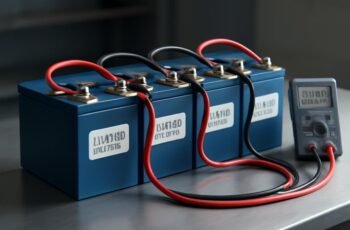
Many people overlook that selecting the correct cross-sectional area for charger cables is crucial to prevent overheating and fire risks, especially under high current loads. Proper sizing, insulation, and handling practices are not just recommendations but essential safety measures. Understanding how to determine the right cable and implement best practices can significantly reduce hazards. As we explore these factors, you’ll see how proper cable management is key to safety and device longevity.
Key Takeaways
- Choose cables with appropriate conductor size based on device current and voltage requirements to prevent overheating.
- Use high-quality insulation materials and proper cable ratings to reduce fire risk and ensure safety.
- Avoid tight bends, overextension, and damaged cables to maintain optimal performance and prevent insulation failure.
- Regularly inspect cables for wear, frayed insulation, or exposed wires and replace damaged ones promptly.
- Ensure compatibility between connectors, materials, and device specifications for safe and efficient charging.
How to Determine the Correct Charger Cable Size for Your Devices
How do we determine the appropriate charger cable size for our devices? The key lies in accurate cable sizing, which ensures safe and efficient power transfer. We evaluate the device’s current draw and voltage requirements, then select a cable with adequate conductor cross-sectional area to handle the load. Proper cable sizing minimizes resistance, reducing heat buildup that could compromise fire prevention measures. We also consider the cable’s insulation rating and length, since longer or thinner cables increase resistance and potential overheating risks. Using standardized wire gauge charts helps us match cable size precisely to the device’s power needs. By adhering to proper cable sizing protocols, we enhance fire prevention strategies and ensure safe, reliable operation of our charging systems.
Why Using the Right Cable Size Prevents Overheating and Fires
Selecting the proper cable size directly impacts the safety and performance of charging systems by preventing overheating. Using a wrong gauge increases overheating risk, which can cause insulation materials to degrade and lead to fires. Proper cable sizing considers cord length and plug compatibility, ensuring efficient current flow without excessive heat buildup. Incorporating ferrite cores minimizes electromagnetic interference, while high-quality insulation materials enhance safety. Correct sizing reduces connector wear and maintains optimal charging speed, critical for battery chemistry stability. Proper cable gauge also supports surge protection, preventing voltage spikes from damaging devices. Neglecting these factors can result in overheating, damage to components, and potential fire hazards. Thus, choosing the right cable size is essential for safe, reliable charging and fire prevention.
Key Factors to Consider When Selecting Your Charger Cable
What are the critical factors we must evaluate to ensure we choose the appropriate charger cable for our needs? Compatibility limitations and material durability are paramount. Compatibility limitations involve matching the cable’s connectors and specifications to our devices and power sources, preventing issues like insufficient current flow or damage. Material durability ensures the cable withstands physical stress and environmental factors over time, reducing fire risk from wear or failure. When selecting a cable, consider these factors:
| Factor | Importance | Example |
|---|---|---|
| Compatibility | Prevents connection issues and damage | USB-C for newer smartphones |
| Material Durability | Ensures longevity and safety | Tinned copper conductors resistant to corrosion |
| Current Rating | Matches device power needs | 3A rated cable for fast charging |
Best Practices for Safe Charging Cable Usage at Home and on the Go
Have you ever considered the risks associated with everyday charging practices? Ensuring safety involves selecting cables made from safe materials that resist heat and electrical faults. Use cords with appropriate insulation, such as flame-retardant, durable plastics, and high-quality copper conductors. Proper cable management is crucial; avoid tight bends and overextension to prevent damage that could lead to shorts or fires. On the go, opt for portable cables with glare reduction features, such as matte finishes or anti-reflective coatings, which reduce eye strain and improve visibility in bright environments. Regular inspection for frayed insulation or exposed wires is essential. Adhering to these best practices minimizes fire hazards and ensures reliable, safe charging at home and in transit.
Troubleshooting Common Cable-Related Safety Risks and Fire Hazards
Ever wonder how seemingly minor damage to a charging cable can escalate into a serious safety risk? Our analysis shows that cable wear, frayed insulation, or exposed wires significantly increase the risk of short circuits and fires. Maintaining safety awareness helps identify early warning signs, such as overheating, sparks, or unusual smells, which often indicate underlying hazards. Regular inspection of cables for cracks, exposed conductors, or bent connectors is essential. Proper troubleshooting involves disconnecting damaged cables promptly and replacing them with appropriately rated, certified alternatives. Understanding the root causes of common hazards allows us to prevent fire risks effectively. By systematically assessing cable integrity and adhering to safety standards, we minimize danger and promote safer charging practices in various environments.
Frequently Asked Questions
How Often Should I Replace My Charging Cables for Safety?
We recommend replacing charging cables when they show signs of wear, damage, or after safety testing indicates compromised insulation. Staying informed through consumer education and social awareness enhances safety, ensuring new materials are reliable and cables remain compliant with safety standards.
Are There Specific Certifications to Look for in Safe Charger Cables?
We look for certifications to ensure safe cables, such as UL, CSA, or IEC, which verify compliance with safety standards. These certifications confirm that the cables meet rigorous quality and fire prevention requirements, ensuring reliable, safe charging experiences.
Can Using Damaged Cables Increase Fire Risk?
Damaged cables, like frayed wires threatening sparks, notably increase fire risk. Using compromised cables compromises insulation, potentially causing short circuits or overheating, which can ignite surrounding materials, emphasizing the critical need for inspecting and replacing damaged charging equipment promptly.
What Are the Signs of an Unsafe or Faulty Charger Cable?
We observe unsafe charger cables with signs like bad or weak insulation, frayed conductors, and exposed wires, which increase fire risk. These indicators suggest the cable’s integrity is compromised, requiring immediate replacement to ensure safety and prevent potential hazards.
How Do Temperature Fluctuations Affect Cable Safety and Fire Prevention?
Did you know temperature fluctuations can cause a 15% increase in cable failures? These fluctuations compromise cable safety by expanding and contracting components, increasing wear, and risking short circuits, ultimately elevating fire hazards.
Conclusion
By following these best practices, we ensure our cables are as reliable as the golden threads of a well-woven tapestry, preventing overheating and fire hazards. Just as a master craftsman selects the right tools for precision, choosing proper cable sizing and handling techniques safeguards our devices and homes. Vigilance and adherence to these standards keep our charging systems resilient, echoing the timeless wisdom that safety begins with attention to detail—our strongest shield against unforeseen risks.