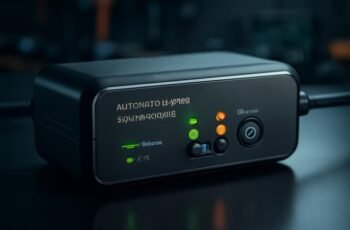
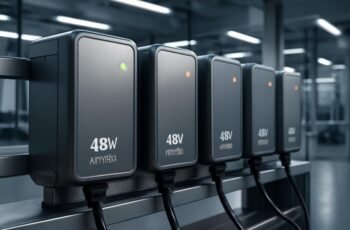
Choosing the right charger for a 200Ah LiFePO4 battery is akin to tuning a finely calibrated instrument—precision matters. We must consider voltage compatibility, current limits, and the unique charging profile of LiFePO4 chemistry to ensure safety and efficiency. With so many options and variables, understanding what features are essential can prevent costly mistakes and extend battery life. Let’s explore the critical factors that will guide you toward the most suitable charging solution.
Key Takeaways
- Choose a charger with correct voltage and current ratings specifically designed for 200AH LiFePO4 batteries.
- Ensure the charger features adjustable voltage, current, and integrated safety protections like overvoltage and thermal safeguards.
- Verify compatibility with solar charge controllers and system integration needs for optimal performance.
- Use chargers with proper charging profiles tailored to LiFePO4 chemistry to ensure safety and extend cycle life.
- Regularly monitor voltage, temperature, and state of charge; avoid deep discharges for battery longevity.
How to Choose the Right Charger for Your 200AH LiFePO4 Battery
Choosing the appropriate charger for your 200AH LiFePO4 battery requires careful consideration of its specific electrical characteristics. Using a wrong charger can lead to improper voltage or current levels, risking damage to the battery and raising safety concerns. A charger not designed for LiFePO4 chemistry may cause overcharging, thermal runaway, or reduced cycle life. It’s essential to select a charger with the correct voltage, current ratings, and a compatible charging profile tailored for LiFePO4 cells. Ensuring compatibility prevents potential hazards, such as fires or explosions, and maintains battery performance. Avoiding the wrong charger is critical for safety and longevity. Properly matched chargers ensure efficient, safe, and reliable operation, protecting both your investment and your safety.
Key Features to Look for in a LiFePO4 Battery Charger
When selecting a charger for your 200AH LiFePO4 battery, understanding the key features that ensure compatibility and safety is essential. Critical features include adjustable voltage and current settings, ensuring proper charging without damaging the battery. Integrated protections, such as overvoltage, overcurrent, and thermal safeguards, are vital for reliability, especially when powering devices like induction stoves or solar inverters. Additionally, compatibility with solar charge controllers and the ability to optimize charge cycles significantly enhance performance.
| Feature | Description | Importance |
|---|---|---|
| Adjustable Voltage | Customizable charging parameters for battery health | Ensures safe, efficient charging |
| Safety Protections | Overvoltage, overcurrent, thermal safeguards | Prevents damage and hazards |
| Compatibility | Supports solar inverters and induction stoves | Maximizes system integration |
Understanding Charging Profiles and Compatibility Requirements
Have you ever considered how different charging profiles can impact the longevity and performance of your 200AH LiFePO4 battery? Charging profiles define the voltage and current parameters during charging, directly affecting efficiency and cycle life. Using a profile incompatible with LiFePO4 chemistry can compromise charging safety, risking damage or reduced battery capacity. It is essential to select chargers that match the battery’s recommended profile, ensuring proper voltage regulation and current control. Compatibility requirements also influence warranty coverage; using a charger not designed for LiFePO4 batteries may void warranty and limit support. Understanding these profiles helps optimize performance while maintaining safe operation. Proper matching of charger and battery specifications safeguards your investment and ensures consistent, reliable power delivery over the battery’s lifespan.
Best Practices for Charging and Maintaining Your 200AH LiFePO4 Battery
Proper maintenance and charging practices are essential to maximizing the lifespan and performance of your 200AH LiFePO4 battery. Consistently adhere to recommended voltage and current limits outlined in technical datasheets to prevent cell damage. Use chargers specifically designed for LiFePO4 chemistry, ensuring they feature appropriate charging profiles to optimize efficiency and safety. Regularly monitor voltage, temperature, and state of charge, avoiding deep discharges that can impair longevity. When selecting topic ideas, avoid unrelated gear that may not support proper charging parameters. Maintaining consistent charge cycles and avoiding prolonged storage at full or empty states help preserve capacity. Properly balancing cells during initial setup and routine checks ensures uniform performance across the battery pack, reducing the risk of uneven wear or premature failure.
Troubleshooting Common Charging Issues and Ensuring Battery Longevity
Despite following recommended charging procedures, issues can still arise that compromise the longevity and performance of your 200AH LiFePO4 battery. Common charging problems often stem from misconceptions, or charging myths, such as overcharging or undercharging, which can damage cells over time. To prevent this, strict adherence to safety protocols is essential—using compatible chargers with proper voltage and current regulation. Troubleshooting begins with verifying charger compatibility, inspecting connections, and monitoring voltage levels during charging cycles. Inconsistent charging or unexpected voltage drops may indicate internal cell imbalance or aging. Regularly performing balanced charging and avoiding aggressive charging methods extend battery life. By dispelling charging myths and following robust safety protocols, you ensure optimal performance and longevity of your LiFePO4 battery system.
Frequently Asked Questions
Can I Use a Lead-Acid Charger for My Lifepo4 Battery?
Using a lead-acid charger for your LiFePO4 battery isn’t safe due to voltage mismatch, which poses a dangerous risk of incorrect charging. We recommend a charger specifically designed for LiFePO4 batteries to ensure safe, optimal performance.
How Does Temperature Affect Lifepo4 Charging Efficiency?
Temperature effects greatly influence LiFePO4 charging efficiency; optimal temperatures enhance ion mobility and minimize resistance, ensuring efficient charge cycles. Conversely, extreme temperatures hinder performance and can damage the battery, emphasizing the importance of temperature regulation during charging.
Is There a Recommended Charging Frequency for Long-Term Storage?
We recommend maintaining a regular charging frequency of about once every 3-6 months during long-term storage. This keeps the battery healthy, prevents capacity loss, and ensures peak performance, guaranteeing you don’t get caught with a dead battery.
Are There Specific Safety Precautions During the Charging Process?
During the charging process, we prioritize safety-focused considerations and safeguards, including proper ventilation, avoiding overcharging, using compatible chargers, monitoring temperature, and adhering to manufacturer guidelines to guarantee safe, efficient battery management.
Can I Charge Multiple Batteries Simultaneously With One Charger?
Like a symphony requiring harmony, we recommend against charging multiple batteries with one charger to ensure charging safety and proper storage guidelines. Using dedicated chargers prevents imbalance, overheating, and potential damage, maintaining system integrity and battery lifespan.
Conclusion
In summary, selecting the right charger for our 200Ah LiFePO4 battery requires careful attention to voltage, current, and safety features. Proper maintenance and monitoring can greatly extend battery life and performance. Remember, “an ounce of prevention is worth a pound of cure,” so investing in a quality, compatible charger and following best practices is essential. By staying vigilant and informed, we guarantee safe, efficient, and long-lasting battery operation.