Have we ever wished our RV or overlanding rig could manage its batteries as smartly as our home power system?

What Is the CTEK D250SE and Who Is It For?
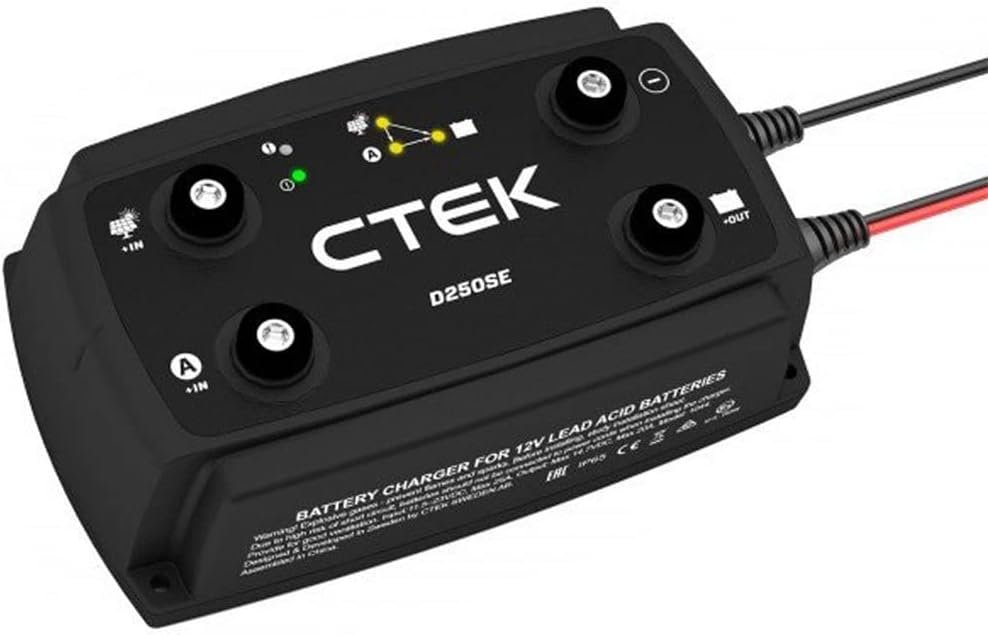
When we first look at the CTEK D250SE, it might seem like just another charger, but it’s actually more of a power management hub for our vehicle. It’s designed to sit between our alternator, our solar panels, and our batteries, and make sure everything gets charged properly and safely.
This charger is built specifically for 12V systems in RVs, trucks, campervans, 4x4s, and overlanding rigs. If we run a dual battery setup—with a starter battery up front and a separate service (house) battery for fridges, lights, inverters, and electronics—this is exactly the kind of device that keeps our system reliable on the road.
Key Specifications at a Glance
It helps to summarize the important specs in one place, so we can quickly understand what this unit can and cannot do. Here’s a breakdown of the core technical information.
| Feature | Specification / Description |
|---|---|
| Product Name | CTEK D250SE |
| Charger Type | 5-step, fully automatic DC-DC battery charger |
| Input Voltage | 12V DC (from alternator or service battery) and solar panel input |
| Output Current | Up to 20A |
| Supported Battery Types | 12V lead-acid (wet, MF, AGM, Ca/Ca) and 12V LiFePO4 lithium batteries |
| Battery Capacity Range | 40–300Ah (service battery) |
| Smart Alternator Compatible | Yes (compatible with modern ECU-controlled alternators) |
| Solar Function | Built-in MPPT solar regulator |
| Charging Stages | 5-step automatic charging |
| Temperature Compensation | Built-in temperature sensor for optimized charge |
| Protection Features | Non-sparking, reverse polarity protected, short-circuit proof, splash and dustproof |
| Warranty | 2-year warranty |
We find that this table gives us a quick snapshot of what we’re buying into. Right away, we can see if it fits our system size, our battery type, and our charging needs.
Design and Build Quality
The CTEK D250SE has the familiar CTEK visual style: compact, solid, and purpose-built. It’s not flashy, but the practical design is obvious once we hold it and see where it sits in a build. It is meant to be mounted permanently as part of our electrical system, rather than used as a plug-in desktop charger.
The housing is splash and dustproof, which is important for use in vans, utility vehicles, and off-road rigs where moisture and dirt are constant companions. We feel comfortable mounting it in less-than-perfect conditions, such as under a seat, in a rear compartment, or in an equipment bay, as long as we follow CTEK’s basic installation guidelines.
Durability and Protection Features
Durability matters when we’re driving on rough roads or spending time in harsh conditions. The D250SE is not just mechanically solid; it’s also designed with serious electrical protection. It’s non-sparking, reverse-polarity protected, and short-circuit proof, which makes installation and long-term use safer for us and our vehicle.
We also appreciate that the output is clean and controlled. The charger regulates voltage and current so we don’t get nasty spikes or surges that could damage sensitive electronics like fridges, radios, or inverters. This is one of the main reasons we’d choose a premium DC-DC charger instead of a cheap, basic unit.

Charging Performance and 5-Step Algorithm
At its core, the D250SE is a 5-step automatic charger that delivers up to 20A to our service battery. That 20A rating tells us how quickly the unit can charge, and for many RV or overlanding setups with one or two house batteries, 20A is a very practical figure.
The multi-stage charging process is designed to maximize battery life and ensure full, safe charging. We don’t have to micromanage anything; the charger automatically adjusts.
Why Charging Stages Matter
Instead of pushing full power continuously, the D250SE moves through different charging stages: typically including bulk, absorption, and float, plus conditioning phases. Each step is tailored to the battery’s current state.
For us, this means:
- Our batteries charge efficiently when they’re low.
- They gently top off as they approach full capacity.
- They stay maintained without overcharging when left connected.
This approach is critical to avoid both undercharging (which can shorten battery life) and overcharging (which can cause damage or swelling, especially in some chemistries).
Support for Lead-Acid and Lithium (LiFePO4) Batteries
One of the standout benefits of the D250SE is its compatibility with both traditional lead-acid batteries and modern lithium iron phosphate (LiFePO4) batteries. Many of us are upgrading our rigs to lithium, so having a charger that can handle both is a big plus.
We just select the appropriate charge algorithm depending on the battery type we’re using. For older or budget setups, we might still run AGM or flooded lead-acid. For modern builds focusing on weight savings and deeper usable capacity, LiFePO4 is becoming the preferred choice.
Charge Algorithms for AGM and Lithium
The D250SE gives us selectable algorithms, which means we’re not stuck with a one-size-fits-all charging profile. For AGM batteries, it can handle the slightly higher absorption voltages they like. For LiFePO4, it uses a lithium-compatible profile that suits this chemistry’s charging behavior.
This matters because charging lithium batteries correctly is crucial. A regular lead-acid charger might not fully charge a lithium battery or could stress it over time. With a dedicated LiFePO4 mode, we get:
- Correct charging voltages
- Safer and more predictable performance
- Better long-term battery health
Smart Alternator Compatibility
Modern vehicles often come with smart alternators that are ECU-controlled, designed to improve fuel economy and reduce emissions. The downside is that these alternators don’t always deliver a steady charge to secondary batteries. Without a DC-DC charger like the D250SE, our house battery may never receive a proper, consistent charge.
We appreciate that the D250SE is specifically built to work with these smart alternators. It can handle variable input and still deliver a stable 20A output to our service battery, so we’re not at the mercy of the vehicle’s electronics.
Why Smart Alternator Support Matters for Us
When we rely on our service battery for everything from lighting to refrigeration, we can’t afford to have that battery half-charged just because the vehicle decided to reduce alternator output. With the D250SE in our system, we decouple the charging of our house battery from the inconsistent behavior of modern alternators.
In practical terms, that means:
- More predictable charging while we drive
- Better use of our alternator’s available power
- Less worry about arriving at camp with a weak house battery
Integrated Solar Charging with MPPT
One of the most appealing features of the CTEK D250SE is the built-in solar regulator with Maximum Power Point Tracking (MPPT). This eliminates the need for a separate solar charge controller in many setups, streamlining our wiring and reducing clutter.
We can connect our solar panel directly to the D250SE, and it will manage the charging of our service battery using MPPT. This is a sophisticated method of squeezing the maximum available power from our panels, especially in conditions where sun intensity and panel voltage vary throughout the day.
MPPT: Getting the Most from Our Solar
MPPT (Maximum Power Point Tracking) is a key technology for anyone serious about off-grid power. Instead of simply matching panel voltage to battery voltage, the D250SE measures and adjusts to the panel’s optimal operating point. This often results in more usable charging current than a basic PWM controller can provide.
For us, that means:
- More efficient charging from the same solar panel size
- Better performance in partial shade or low-light conditions
- Improved energy harvest over the course of a day
We feel this feature is especially valuable for overlanding rigs or RVs that may need to park in partial shade or deal with changing sun angles.
Dual Battery Support: Service and Starter Batteries
The D250SE is designed for systems where we have at least two batteries: one starter battery for the engine, and one service (house) battery for our equipment. It prioritizes the service battery, but once that battery is fully charged, it can redirect a maintenance charge to the starter battery.
We like this because it acts almost like a smart battery isolator plus charger. Instead of us worrying about one battery being neglected, the D250SE manages both intelligently.
How the Redirected Maintenance Charge Works
When our house battery reaches full charge, the D250SE doesn’t simply sit idle. It senses that the primary job is done and shifts to maintaining the starter battery. This ensures our starting system stays healthy, even during long periods of camping where we’re not doing much driving.
The benefit to us is:
- Reduced risk of a flat starter battery
- Automatic prioritization of the house battery when needed
- A more balanced and self-maintaining electrical system
Temperature-Compensated Charging
Battery performance and safe charging are highly temperature-dependent. Charging a battery in very cold or hot conditions with a fixed algorithm can lead to undercharging or overcharging. The D250SE includes a built-in temperature sensor, which helps adjust charging behavior based on ambient conditions.
We like this feature because it increases both safety and effectiveness. If we camp in winter or spend time in hot desert environments, we want our charger to adapt, not simply push the same voltage regardless of conditions.
Real-World Impact of Temperature Sensing
In practical terms, temperature compensation can:
- Increase charge voltage slightly in cold conditions to overcome resistance
- Reduce voltage in hot conditions to prevent overcharging
- Extend the overall life of our batteries by avoiding thermal stress
This is part of what separates a true smart charger from a simple power supply.
Safety and Protection for Sensitive Electronics
Many of us run laptops, phones, tablets, radios, fridges, and sometimes medical or communication equipment off our service battery. We need assurance that our charging system is not going to introduce electrical noise or dangerous spikes.
The D250SE delivers clean voltage and current, which means our sensitive electronics are less likely to suffer from surges or irregularities. Importantly, we don’t need to disconnect the battery from our vehicle systems while charging; the unit is designed to coexist safely with the vehicle’s electronics.
Why “No Need to Disconnect” Matters
With less sophisticated chargers, we might be told to disconnect the battery to prevent damage to a vehicle’s ECU or accessories. That’s not practical in a modern RV or overlanding setup where everything is integrated.
The D250SE is specifically engineered so we can:
- Leave our batteries connected at all times
- Charge without manually unplugging anything
- Avoid stressing the vehicle’s electrical system
This design makes our life much easier, especially on long trips where we want a “set it and forget it” solution.
Ease of Use and Everyday Operation
We want to know whether we’ll be fiddling with settings constantly or if the charger will mostly manage itself. The D250SE is intended to be a fit-and-forget device once installed. After initial setup and selecting the correct battery type, it automatically adjusts charging behavior based on input sources and battery state.
Indicators on the unit give us a clear idea of what it’s doing—whether it’s charging, maintaining, or which input is being used. While we might rarely look at these day to day, they’re handy for troubleshooting or just satisfying our curiosity about the system’s status.
User Experience on the Road
In everyday use, we simply go about our trips:
- When we drive, the alternator feeds the D250SE, which charges our service battery.
- When parked, the solar panel (if installed) continues to top up the system.
- When the service battery is topped off, the starter battery gets a maintenance charge.
We don’t have to switch sources manually or worry about overcharging; the charger orchestrates everything in the background. That’s exactly the kind of automation we want in a modern 12V system.
Installation Considerations
Even though the D250SE is not overly complex, it does require thoughtful installation. We’re dealing with high currents and multiple power sources, so proper wiring, fusing, and cable sizing are essential for safety and performance.
We’ll need to run cables from the alternator or starter battery to the charger, from the charger to the service battery, and, if using solar, from the panel to the D250SE. The unit should be mounted in a location that’s protected from direct water contact and excessive heat, but still has some airflow.
Wiring, Fuses, and Cable Sizing
We should follow CTEK’s recommended cable sizes and fuse ratings. Using undersized wire can lead to voltage drop and wasted charging potential, while incorrect fusing can be a safety risk. In most moderate setups, we’ll want to use suitably thick cables between the alternator, the D250SE, and the battery to support that 20A output.
It might be worth having a professional install the system if we’re not comfortable with DC wiring. However, for many of us with some DIY electrical experience, the job is manageable as long as we take our time and follow the manual carefully.
Real-World Use Cases
To decide whether the CTEK D250SE is right for us, it helps to imagine how it fits into specific scenarios. Different vehicle types and travel patterns can influence whether this unit is a perfect match or just one option among many.
We might be:
- Running an overlanding truck with a fridge, some lights, and a small inverter
- Living in a campervan full-time with heavy daily use of 12V devices
- Using a truck camper or RV for weekend trips but wanting dependable power
Let’s walk through a few typical setups where the D250SE makes a lot of sense.
Overlanding and 4×4 Rigs
For a dual-battery overlanding rig, the D250SE checks many boxes. It gives us:
- Reliable charging from the alternator while driving
- Solar integration for when we’re stationary
- Smart battery management between starter and house batteries
We can run our fridge, charge our devices, and keep our lights on without constantly worrying that we’ll drain the starter battery. When the engine is off, our house loads draw only from the service battery, and when we move, the system recovers charge efficiently.
Campervans and Class B RVs
In a campervan, space and simplicity matter. Many builds already use or plan to use LiFePO4 batteries because they’re lighter and have deeper usable capacity than lead-acid. The D250SE’s lithium support is perfect here.
We might pair the D250SE with 100–300Ah of lithium house battery and one or more solar panels. The combination gives us a strong core charging system without needing separate alternator chargers and solar controllers. The integration keeps our wiring simpler and our system more reliable.
Weekend RV Trips and Seasonal Use
If we have a small RV or trailer that we use mainly on weekends, we still benefit from intelligent battery management. The D250SE keeps our house battery properly maintained and prevents our starter battery from quietly draining during long stays.
We may not need the most massive solar array or the largest battery bank, but with this charger in place, our power system behaves more like a modern, thought-out installation instead of an afterthought.
Advantages Over Basic Alternatives
There are cheaper ways to connect a second battery—simple relays, VSRs (voltage-sensitive relays), or manual battery switches. However, these options do not provide the sophisticated charging behavior or solar integration that the D250SE delivers.
If we compare to a simple isolator setup, the D250SE wins in several key areas:
- True multi-stage charging instead of crude alternator linking
- Proper support for lithium batteries
- Smart alternator compatibility
- Integrated MPPT solar charging
- Temperature compensation and better protection
Why We Might Justify the Higher Cost
The D250SE is not the lowest-priced option on the market, but we’re paying for:
- Longer battery life through optimized charging
- Fewer components (no separate solar controller needed in many cases)
- Greater peace of mind when we’re far from help
For us, that added reliability and reduced wiring complexity can absolutely justify the extra cost, especially if our trips are long or go off the grid.
Limitations and Things to Consider
No product is perfect, and knowing the limits of the D250SE helps us decide if it aligns with our needs. There are a few points we should keep in mind before purchasing and installing it.
First, the maximum output is 20A. For many setups, that’s perfectly adequate, but if we have a very large battery bank—say 400Ah or more—20A might feel a bit slow, especially if we rely heavily on alternator charging.
When 20A Might Not Be Enough
If we regularly deplete a large battery bank deeply and depend on driving to recharge in a limited window, we might prefer a higher-output DC-DC charger. For smaller to medium setups, though, 20A is often a sweet spot that balances cable size, heat generation, and cost.
We also need to consider:
- Matching our solar array to the D250SE’s capabilities
- Ensuring our wiring can handle long runs with minimal voltage drop
- Confirming that our specific lithium battery’s requirements align with the charger’s lithium profile
In some advanced lithium systems, especially those with large inverters and complex BMS requirements, we might choose to pair the D250SE with additional components or, in rare cases, go with a more specialized charger.
Warranty and Brand Reputation
The D250SE comes with a 2-year warranty, which provides a reasonable level of assurance. CTEK has a solid reputation in the battery charging world, known for building chargers that are gentle on batteries and tough in the field.
We’ve seen CTEK chargers widely used in automotive, marine, and RV contexts, which gives us added confidence that the D250SE is not an experimental product, but part of a well-established line.
Why Brand Matters for a Charger
When we put a charger at the heart of our electrical system, reliability is non-negotiable. If it fails, our whole power setup is compromised. CTEK’s history in the charging space and the way they design for electronic safety and battery health make us more comfortable investing in their gear.
We’re not just buying a feature list; we’re buying support, design expertise, and a track record. All of that reduces the risk of surprises when we’re far from home.
Summary of Pros and Cons
Sometimes it helps to step back and look at a product from both sides. Let’s summarize the main strengths and weaknesses we see in the CTEK D250SE.
| Aspect | Pros | Cons |
|---|---|---|
| Charging Performance | 5-step smart charging, 20A output, supports 40–300Ah batteries | 20A may be low for very large battery banks |
| Battery Support | Works with lead-acid (incl. AGM) and 12V LiFePO4 lithium | Limited to 12V systems only |
| Solar Integration | Built-in MPPT regulator reduces need for external controller | Might not meet needs of very large solar arrays |
| Smart Alternators | Fully compatible with modern ECU-controlled alternators | None specific, but relies on correct installation |
| Safety & Protection | Non-sparking, reverse polarity protected, short-circuit proof | Requires careful wiring and fusing for full safety benefits |
| Ease of Use | Automatic operation after setup, no need to disconnect batteries | Initial installation can be complex for beginners |
| Durability | Splash and dustproof, designed for vehicle environments | Not fully waterproof for submerged or heavily exposed locations |
| Value | Saves buying separate DC-DC and solar charger, strong feature set | Higher upfront cost than basic isolators or simple chargers |
We find that, overall, the strengths clearly outweigh the weaknesses for most RV and overlanding users who want a robust and integrated system.
Who Will Benefit Most from the D250SE?
This charger is best suited to certain kinds of users and systems. Understanding where we fit can help us decide if this is the right choice.
We’re likely to be especially happy with the D250SE if:
- We run a dual battery system and want both alternator and solar charging.
- We’re planning to use or already use LiFePO4 batteries.
- Our vehicle has a smart alternator and we want reliable charging.
- We value simplicity—one box instead of multiple chargers and controllers.
- We prioritize battery life, safety, and clean power for sensitive electronics.
Situations Where We Might Look Elsewhere
We might consider alternative solutions if:
- Our battery bank is very large and we need more than 20A of DC-DC charging.
- We’re on a very tight budget and only need a basic isolator.
- Our system is unconventional and requires custom charge curves or advanced BMS integration.
In many typical RV, campervan, and overlanding builds, however, the D250SE hits a very attractive balance of features, cost, and reliability.
Final Thoughts: Is the CTEK D250SE Worth It?
Bringing everything together, we see the CTEK D250SE as a thoughtfully designed, versatile charger aimed squarely at modern mobile power users. It handles alternator charging, integrates MPPT solar, manages both starter and service batteries, and supports both lead-acid and LiFePO4 chemistries, all in one compact unit.
For us, the biggest advantages are:
- Genuine smart charging that protects our batteries and maximizes their lifespan
- Compatibility with smart alternators and lithium batteries
- Integrated solar control that keeps our system streamlined
- Safety and protection for our vehicle electronics and devices
If we are building or upgrading a 12V system in an RV, truck, or overlanding vehicle and we want a single, high-quality unit to manage our charging needs, the CTEK D250SE is a very strong candidate. It might cost more upfront than basic options, but in return, we get a cleaner installation, smarter battery management, and greater confidence that our power system will support our adventures reliably for years to come.
Disclosure: As an Amazon Associate, I earn from qualifying purchases.