Have we ever wished our DIY battery system felt as smart, safe, and reliable as a high-end commercial pack?

Understanding What the JK BMS Battery Equalizer Actually Is
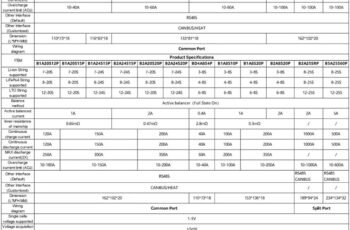
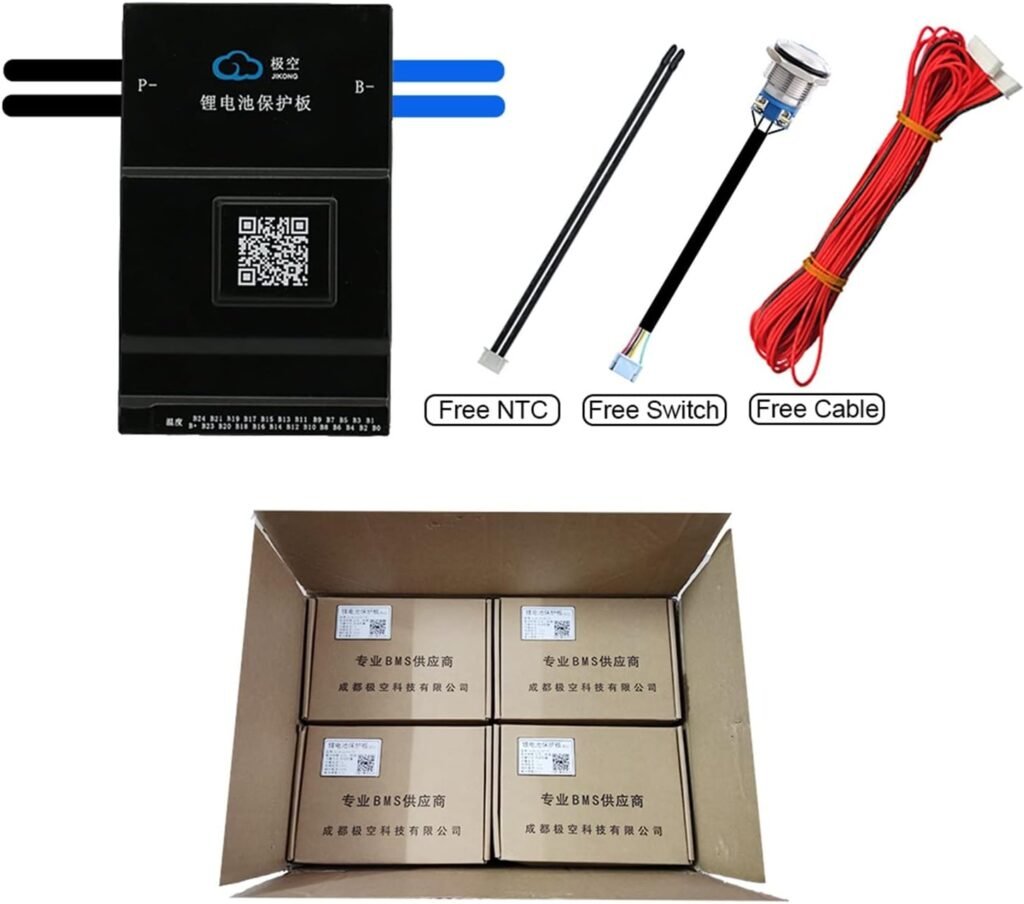
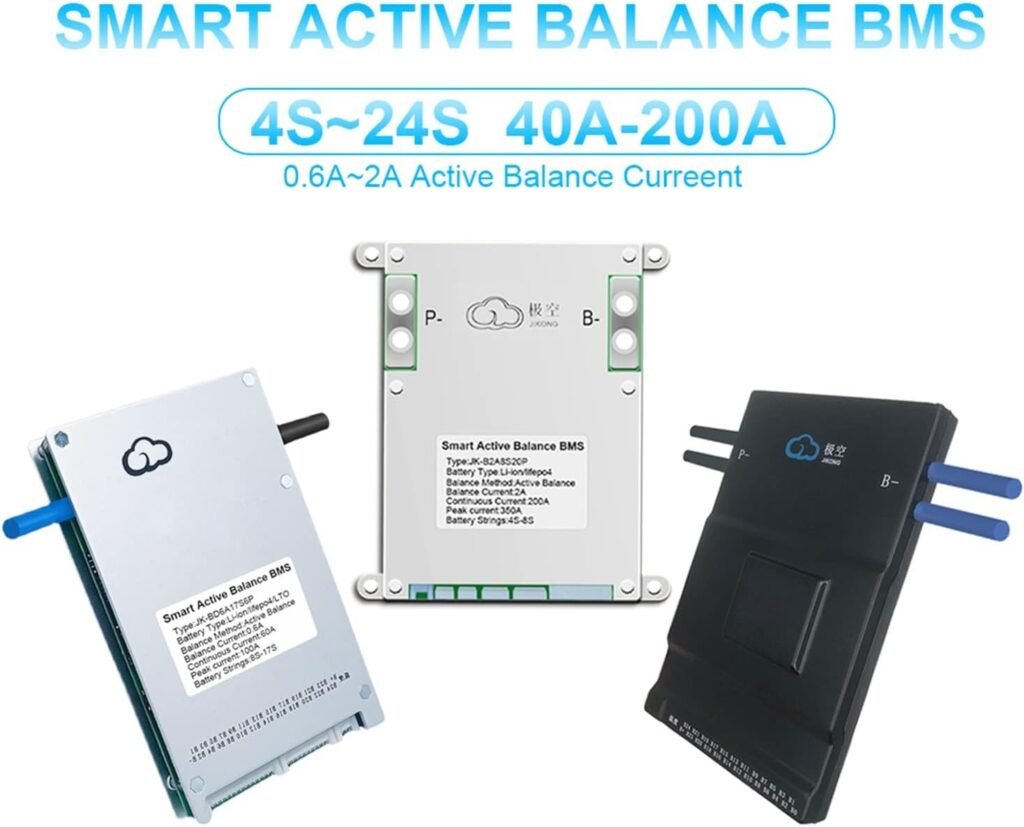
When we first look at the full name — “JK BMS Battery Equalizer Jk Bms Active Balance 8S 12S 13S 14S 16S 17S 20S 24S Smart Bms 60A 80A 100A 150A 200A 600A Lifepo4 Li-Ion Lto Battery Battery Protection Module (Color : B5A25S60P, Size : JK)” — it can feel overwhelming. Underneath all those numbers and abbreviations, we are essentially getting a smart battery management system with active balancing, built for LiFePO4, Li-ion, and LTO cells, with support for a wide range of series counts and high currents.
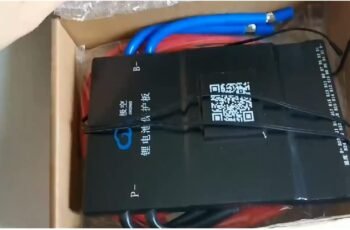
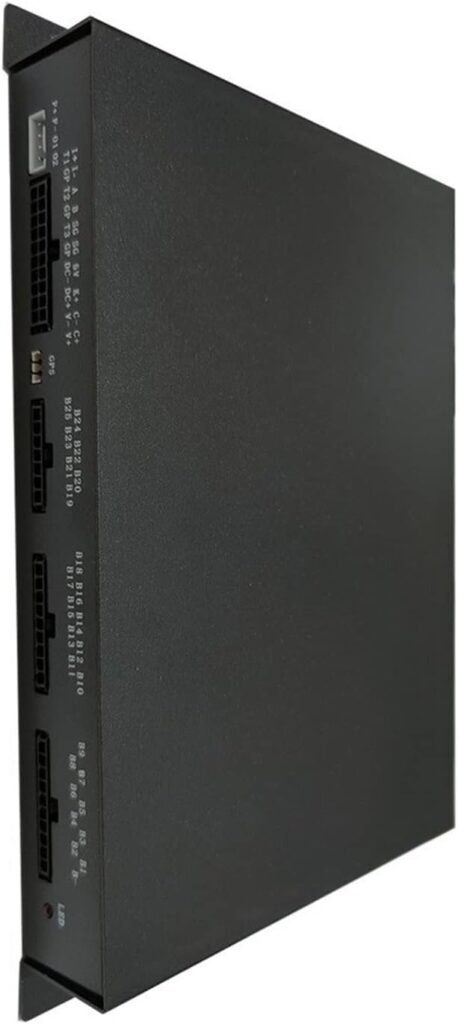
This kind of BMS sits at the heart of our battery pack. It monitors each cell, balances them, protects the pack from dangerous conditions, and gives us live data through a dedicated app. Our battery becomes more than just a pile of cells; it becomes an intelligent energy system.
Key Features at a Glance
To make sense of everything this JK BMS claims to do, we find it useful to break the main features into categories: monitoring, protection, balancing, and communication. Each plays a specific role in keeping our battery pack efficient and safe.
Below is a simplified summary so we can quickly check whether it suits our project or not.
High-Level Feature Summary
This BMS packs a lot of capability into one module. We are not just getting basic protections; we are also getting advanced balancing and a dedicated mobile app for control and monitoring.
| Feature Category | What It Offers |
|---|---|
| Cell Support | 8S to 24S configurations depending on version |
| Battery Chemistries | LiFePO4, Li-ion, LTO |
| Current Range | 60A, 80A, 100A, 150A, 200A, up to 600A (depending on model) |
| Balancing Type | Active balancing (0.6–2A balance current) |
| Protections | Over-charge, over-discharge, over-current, short circuit, low temp charging |
| Communication | Bluetooth (BT) with dedicated JK mobile app |
| Applications | DIY powerwall, solar storage, EV carts, e-bikes, off-grid systems |
We can already see that this BMS is targeted at serious DIY systems, especially for higher-current lifepo4 builds for solar, inverters, and mobile power setups.

JK Own Development App: Control in Our Pocket
What the Dedicated App Really Adds
Many BMS units claim to be “smart,” but the real difference comes down to software. With this JK BMS, we get a JK-developed app that connects through Bluetooth. Instead of just basic voltage readings, we gain a more complete and precise view of our battery’s real-time status directly on our phone.
This means we do not have to guess what our cells are doing or rely on simple LEDs. We can see per-cell voltages, pack current, SOC (depending on configuration), and temperature details where supported, making our system much easier to manage and troubleshoot.
App Functions and Settings We Can Expect
While the exact app layout may vary slightly between versions and updates, the core idea is to give us deep control over BMS parameters and clear visibility into what is happening.
Common functions include:
- Viewing each cell voltage in real time
- Monitoring pack voltage, current, and power
- Checking charge/discharge status and operating mode
- Adjusting protection thresholds (over-charge, over-discharge, etc.)
- Tuning balancing parameters (when balancing starts, how aggressively it acts)
- Inspecting historical or instantaneous fault events
With this level of control, we can tune the BMS to match our particular cells and the way we use them. Instead of using factory default values that might be too aggressive or too loose, we can customize for performance, longevity, or safety emphasis.
Active Balancing: Why It Matters So Much
Passive vs Active Balancing: What We Are Actually Getting
Most cheaper BMS units use passive balancing. In passive systems, the BMS simply bleeds off excess energy from the higher-voltage cells as heat through resistors. It works, but it is slow and wasteful, especially with large packs.
The JK BMS uses active balancing, which is a huge advantage for larger or high-current battery banks. Instead of burning off extra energy, the BMS actively transfers energy from higher-voltage cells to lower-voltage cells.
This approach has several key benefits:
- Higher efficiency: Less energy is wasted as heat
- Faster balancing: Cells equalize more quickly, especially important for big packs
- Better capacity use: We get closer to the full usable capacity of the pack
- Less heat: Reduced thermal stress compared to heavy passive bleeding
The specs mention 0.6–2A active balance current, which is significantly stronger than the tiny balancing currents of many passive BMS boards. For uneven packs or packs that see heavy cycling, this can make a huge difference.
Real-World Impact on Battery Performance
In practice, active balancing means that after charging and discharging cycles, our cells tend to stay much more tightly matched. This stability brings several concrete advantages for us:
- The pack maintains higher usable capacity over time
- The weakest cell does not limit the entire pack as quickly
- We reduce the risk of certain cells drifting too high or too low
- We spend less time troubleshooting “one bad cell” issues
With an efficiency claim up to 99% battery usage, the system aims to extract almost all the stored energy from our cells while keeping them within safe limits. For long-term off-grid setups or powerwall builds, this translates to more stable performance and fewer headaches.
Protection Features: Safeguarding Our Investment
Core Protections Built Into the BMS
We invest a lot into cells, busbars, wiring, and power electronics, so a good BMS must deliver rock-solid protection. This JK BMS includes a range of protections that guard our battery bank from serious damage or unsafe conditions.
Key built-in protections include:
-
Over-charge protection
- Prevents cell voltages from exceeding safe limits
- Helps avoid overheating and long-term degradation
-
Over-discharge protection
- Cuts off the load when cells reach a safe lower voltage limit
- Protects cells from deep discharge damage
-
Over-current protection
- Stops charge or discharge when current is too high
- Useful for avoiding wire overheating or equipment failure
-
Short-circuit protection
- Rapid cut-off in the event of a direct short
- Essential for fire and damage prevention
-
Low temperature charging cutoff
- Especially important for LiFePO4, which should not be charged below freezing
- Prevents plating and permanent capacity loss
These are not optional; they are fundamental for modern lithium-based packs, especially LiFePO4, Li-ion, and LTO. The JK BMS’s claim of “full functionality” means we do not have to add separate protection modules for basic safety.
Why Proper Configuration Is Critical
Even with all these protections, our pack’s safety still depends on correct settings and installation. The product description itself hints at this: “Choosing the correct protection board and applying it appropriately is vital to the longevity of your batteries.”
We need to:
- Set over-charge and over-discharge voltages according to our cell chemistry
- Match current limits to our wiring, fuses, and inverter/controller ratings
- Ensure temperature sensors, if used, are properly placed and recognized
- Confirm that our BMS version supports the number of cells and chemistry we use
With the app and smart communication, we get the tools to fine-tune these values. Once dialed in, the BMS acts as a silent guardian over our pack, stepping in only when conditions exceed our defined safe limits.
Compatibility: Cell Count, Voltage Systems, and Chemistries
Supported Series (S) Configurations
One of the standout aspects of this JK BMS line is its broad support for different series counts. The product title lists 8S, 12S, 13S, 14S, 16S, 17S, 20S, 24S, which gives us flexibility if we want to adapt to different nominal voltages or reconfigure a pack.
The description specifically points out:
- 12V / 4S
- 24V / 8S
- 48V / 16S
- 72V / 24S
Each of these is standard for many DIY setups:
- 12V for small off-grid or vehicle systems
- 24V for mid-size inverters, golf carts, and mobility devices
- 48V for home powerwalls and larger solar systems
- 72V for EV scooters, bikes, or custom vehicles
The product name includes up to 24S, so we can build fairly high-voltage packs while still having full BMS coverage.
Supported Battery Chemistries
The JK BMS supports multiple chemistries:
- LiFePO4 (LFP) – very common for solar systems and powerwalls
- Li-ion – typical for EV conversions, e-bikes, and portable packs
- LTO (Lithium Titanate) – niche but useful for high-cycle or fast-charge projects
Each chemistry has its own recommended voltage ranges and behaviors. Through the app and BMS settings, we normally select or configure parameters that map to the right chemistry.
This flexibility is particularly useful if we repurpose cells from different sources or we plan different projects with different cell types. Instead of having to buy a new BMS for each chemistry, we can consolidate.
Current Handling: 60A to 600A Versions
Matching BMS Current Rating to Our System
The title mentions multiple current ratings: 60A, 80A, 100A, 150A, 200A, 600A. Our choice here is crucial because the BMS must support the maximum continuous current we expect from our system, both charging and discharging.
For example:
- A small 12V cottage system with a 500W inverter might be fine with a 60A–80A BMS
- A mid-size 24V or 48V solar setup with a 3kW–5kW inverter might need 100A–200A
- Very large off-grid systems or vehicle setups might justify the 600A model
We always want to choose a BMS that comfortably exceeds our typical current draw, with overhead for surges and inefficiencies. Using a BMS too close to its limit can cause nuisance trips or shorten its life.
Understanding Continuous vs Peak Current
Many BMS units specify continuous and peak current ratings. While the description here is brief, we should assume that pushing near the upper limit constantly is not ideal. We factor in:
- Inverter surge currents
- Motor startup currents (for EVs or carts)
- Occasional heavy charging events
By aligning our battery cables, fuses, busbars, and BMS rating, we keep the system balanced and safe. The JK BMS is intended for serious current handling, but our installation quality matters just as much as the rating on the label.
Application Scenarios: Where This JK BMS Fits Best
DIY Solar Powerwall and Off-Grid Systems
For many of us, the primary use case is a solar powerwall or off-grid battery. The JK BMS fits nicely into:
- 24V or 48V solar battery banks
- Inverter-backed home backup systems
- Cabin or RV storage packs with significant current draw
In these scenarios, we benefit from:
- Active balancing for long-term capacity maintenance
- Full protections during charge from solar or grid chargers
- App-based monitoring to see real-time SOC and cell health
Since the BMS can support up to 16S or 24S depending on version, we can build fairly high-capacity, high-voltage banks tailored to our inverter.
EV Conversions, Carts, and High-Current Projects
The higher-current variants of this JK BMS (150A, 200A, 600A) make it suitable for more demanding projects:
- Electric carts and utility vehicles
- E-bikes and e-motorcycle battery packs
- Lightweight EV conversion projects
- High-output portable power systems
In these situations, the active balancing helps during rapid charge/discharge cycles, keeping cells well-matched even under heavy loads. The protections provide a safety net during aggressive driving or high current spikes.
Smaller Packs and Hobby Projects
Although this BMS is more feature-rich than some hobbyist boards, it can also be used for:
- 12V LiFePO4 house banks in vans and boats
- Portable power stations and small UPS setups
- Bench test rigs for experimenting with different chemistries
For smaller systems, we might choose one of the lower-current versions (60A–80A) while still getting all the benefits of smart app control and active balancing.
Installation Considerations and Safety
Choosing the Correct Variant
Because the product line is broad, our first step is to confirm the exact variant we are purchasing. The listing includes details like:
- Color: B5A25S60P
- Size: JK
- Supported cell count: up to 24S
- Current rating: specified version (e.g., 60A, 100A, etc.)
We should match:
- Cell count of our pack (e.g., 16S for 48V LiFePO4)
- Chemistry (LiFePO4, Li-ion, LTO)
- Current requirement (inverter/motor rated power and surge)
Once we know the variant, we can wire the BMS to match the number of series groups in our battery.
Wiring and Layout
Although wiring diagrams vary, a few general guidelines apply to nearly all BMS installs:
- Connect balance leads correctly in order from the lowest cell to the highest
- Use appropriately sized cables for main charge and discharge lines
- Secure the BMS in a location with adequate ventilation
- Keep signal wires (balance cables) neatly routed to avoid damage or interference
- Confirm polarity before powering up to avoid immediate damage
The JK BMS typically includes a harness or terminal arrangement for cell voltage taps. Double-checking each connection before power-up can prevent costly mistakes.
Temperature Sensors and Low-Temperature Charging Cutoff
The low-temperature charging cutoff is a crucial protection, especially for LiFePO4 in cold climates. For that to work properly:
- The temperature sensor(s) should be firmly attached to a representative cell or location inside the battery pack
- The BMS settings for low-temperature cutoff must be correct for our chemistry
- We should test the behavior once to ensure charging really stops at low temperatures
By correctly using this feature, we greatly improve our battery’s longevity in environments where freezing conditions are common.
Using the JK App Day-to-Day
Monitoring Our Pack in Real Time
Once we pair our BMS with the JK app over Bluetooth, we gain a practical daily tool. Instead of guessing our battery status from a simple voltage reading, we can:
- See exact cell voltages and detect any cell that starts to drift
- Monitor current flow during charge (solar, charger) and discharge (inverter, loads)
- Watch balancing in action, especially at the top of a charge
- Confirm that protections are not being triggered unexpectedly
This kind of visibility helps us catch issues early. For instance, if we notice one cell consistently lower than others, we can investigate before it becomes a serious weak point.
Adjusting Parameters and Fine-Tuning
The JK app also makes it easier to tune the BMS without connecting to a PC or opening the battery case. We can adjust:
- Over-charge and over-discharge voltages
- Balance start voltages and balance current settings (where available)
- Over-current thresholds and delay times
- Charge and discharge enable/disable settings
This allows us to adapt over time as we better understand our particular cells and usage. Maybe we decide to use slightly more conservative voltages to extend lifespan, or we tighten limits for safety.
Performance and Efficiency in Everyday Use
Balancing Efficiency and Pack Health
The advertised 0.6–2A active balance current is quite strong for a BMS of this type. In real use, that means:
- Faster equalization after a heavy discharge or partial charging cycle
- Better management of packs with slightly mismatched cells
- Less time spent at high voltages while balancing at the top of charge
Because energy is moved from higher to lower cells rather than burned off, the process is more gentle on the pack. Over hundreds or thousands of cycles, this can translate into noticeably better capacity retention.
Impact on System Usable Capacity
By keeping cells tightly balanced, the JK BMS helps us reach closer to whole-pack limits safely. Instead of stopping early because one cell is high (at the top) or low (at the bottom), the BMS keeps the pack aligned so that:
- We can charge more uniformly up to our set upper limit
- We can discharge more evenly down to our safe lower threshold
This directly translates into more usable energy from the same physical battery. When we combine that with smart protections, we effectively extend the practical lifetime and daily performance of our system.
Pros and Cons of the JK BMS Battery Equalizer
What We Really Like
There are several aspects of this BMS that stand out positively for us:
- Active balancing with up to 2A balance current
- Dedicated JK app with Bluetooth connectivity
- Support for multiple chemistries (LiFePO4, Li-ion, LTO)
- Wide range of cell counts (up to 24S) and currents (60A–600A)
- Full protection suite, including low-temperature charging cutoff
- A design intended for high-current, serious DIY builds
Together, these features make it a strong candidate for both powerwall-style systems and high-performance projects such as EV conversions and large mobile power setups.
Where We Need to Be Careful
No system is perfect, and we should be aware of some potential considerations:
- The product line is broad, so we must double-check the exact model we order
- Installation quality is critical; a powerful BMS cannot compensate for poor wiring
- We should invest time in learning and setting correct parameters via the app
- The feature richness may be overkill for very simple, low-current setups
If we are new to BMS installations, we may want to study wiring guides, watch a few instructional videos, or consult with experienced builders before wiring everything up.
Practical Tips for Getting the Most Out of This BMS
Plan the System Before Purchase
Before we place an order, we can map out our system:
- Chemistry: Are we using LiFePO4, Li-ion, or LTO?
- Pack voltage: 12V (4S), 24V (8S), 48V (16S), 72V (24S), etc.
- Expected current: Peak and continuous, based on our inverter/motor and loads
With this information, we choose the BMS variant that matches:
- The correct S count
- A current rating with comfortable headroom
- Features we need (e.g., if we plan very high currents, choose higher-rated models)
Double-Check Balance Leads Before First Power-Up
Before we power the BMS for the first time, we should:
- Use a multimeter to verify each cell’s voltage and the sequence of balance leads
- Confirm that the cable order matches the BMS labeling (B-, B1, B2, etc.)
- Secure the harness so it cannot pull loose or short against other conductors
This is one of the most common areas for mistakes, and catching an error here can save us from damaging the board or cells.
Use the App to Tune for Longevity
Instead of focusing only on squeezing every last Wh from our cells, we can set:
- Slightly lower upper charge voltage (for LiFePO4, for example)
- Reasonable over-discharge limits to avoid unnecessary depth
- Balanced current limits that the pack and cabling can truly handle
By optimizing for longevity, we can extend our battery’s life cycle and get more value out of our investment.
Who This JK BMS Is Best Suited For
Ideal Users and Projects
This BMS is especially well-suited for us if we fall into one of these groups:
- We are building a DIY powerwall or off-grid battery with serious capacity
- We want app control and monitoring without buying extra external gear
- We care about cell longevity and high efficiency through active balancing
- We are working with 16S or 24S LiFePO4/other lithium chemistries for inverters or EVs
- We need reliable protections and a configurable platform instead of fixed-safe defaults
If we want a “set and forget” pack with clear visibility and a lot of control, this JK BMS fits that vision well.
Who Might Not Need This Level of BMS
On the other hand, if our situation is more modest, we may not need this exact product:
- Very small packs for low-power applications
- Simple portable devices where current is tiny
- Users uncomfortable with configuration who prefer fully pre-configured systems
In those cases, a simpler, cheaper BMS might be sufficient. However, as soon as we scale up in voltage, current, or capacity, the features in this JK BMS start to become really attractive.
Final Thoughts: Is the JK BMS Battery Equalizer Worth It?
When we consider what the JK BMS Battery Equalizer / Smart Active Balance line provides — active balancing up to 2A, broad S-count support, high current handling, and a dedicated, configurable app — it clearly stands above basic, passive BMS boards.
We are essentially getting:
- A smart, configurable brain for our battery pack
- Efficient active balancing that helps maintain capacity and cell health
- Comprehensive safety protections, including low-temperature charging cutoff
- A convenient, real-time monitoring and control interface on our phone
For serious DIY builders, solar powerwall enthusiasts, and high-current project owners, this BMS represents a compelling balance between sophistication and accessibility. As long as we choose the right variant, wire it carefully, and take advantage of its configuration options, it can be the core component that turns a collection of cells into a robust, intelligent energy system that we can trust and understand.
Disclosure: As an Amazon Associate, I earn from qualifying purchases.