Have we ever wished our battery packs could last longer, stay better balanced, and give us fewer headaches with voltage differences between cells?
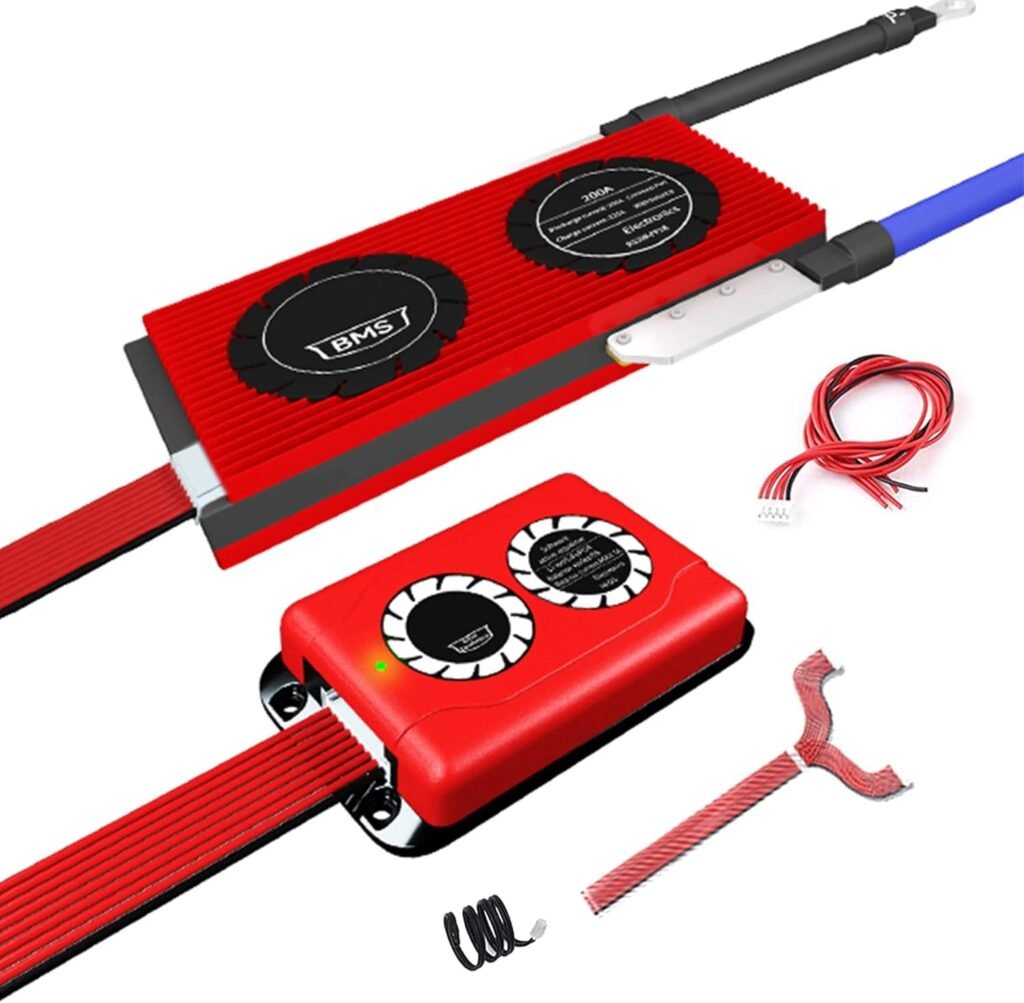

What Is the Whole Group Active Balancer 3S–10S 1A BMS?
This product is a combination of an active balancer and a Battery Management System (BMS), designed to keep multi-cell lithium battery packs safer and more consistent. We are essentially getting a specialized tool that both protects our pack and actively balances the cells by transferring energy rather than just burning it off.
The “Whole Group Active Balancer 3S–10S 1A Battery Management System 30A–500A 12V–36V” supports several common lithium chemistries and a range of pack sizes. It is designed for users who care about battery longevity, performance, and safety, especially in DIY or custom pack builds.
Key Features at a Glance
The product gives us two major functions: active balancing and classic BMS protection. Instead of only providing passive balancing, the board moves energy between cells to improve efficiency and maintain consistency over time.
It also arrives as a kit with the main balancer unit, BMS board, cables, and a manual. That matters because proper wiring and configuration are critical for safety when we are working with high-capacity lithium packs.
Highlighted Capabilities
This board combines several useful capabilities that are important for both hobbyists and serious system builders. By understanding these capabilities, we can decide if it fits our application or if we need something more specialized or more basic.
Below is a breakdown of the main specifications and features as described in the product details:
| Feature | Description |
|---|---|
| Product Type | Whole Group Active Balancer + Battery Management System (BMS) |
| Supported Cell Count | 3S to 10S (3–10 cells in series) |
| Supported Battery Chemistries | LiFePO₄ (3.2 V nominal), NCM/Li-ion (3.7 V nominal), LTO (2.2 V nominal) |
| Voltage Range | Approx. 12 V–36 V pack range (depending on cell count and chemistry) |
| Balancing Type | Active balancing via energy transfer (capacitive equalization) |
| Balancing Current | Up to about 1 A (per active equalization spec) |
| Current Handling Range | Designed for packs from approx. 30 A up to 500 A (with external system design considerations) |
| Protection Functions | Overcharge, over-discharge, overcurrent, short circuit |
| Display | LED indicator (green light for status and balance indications) |
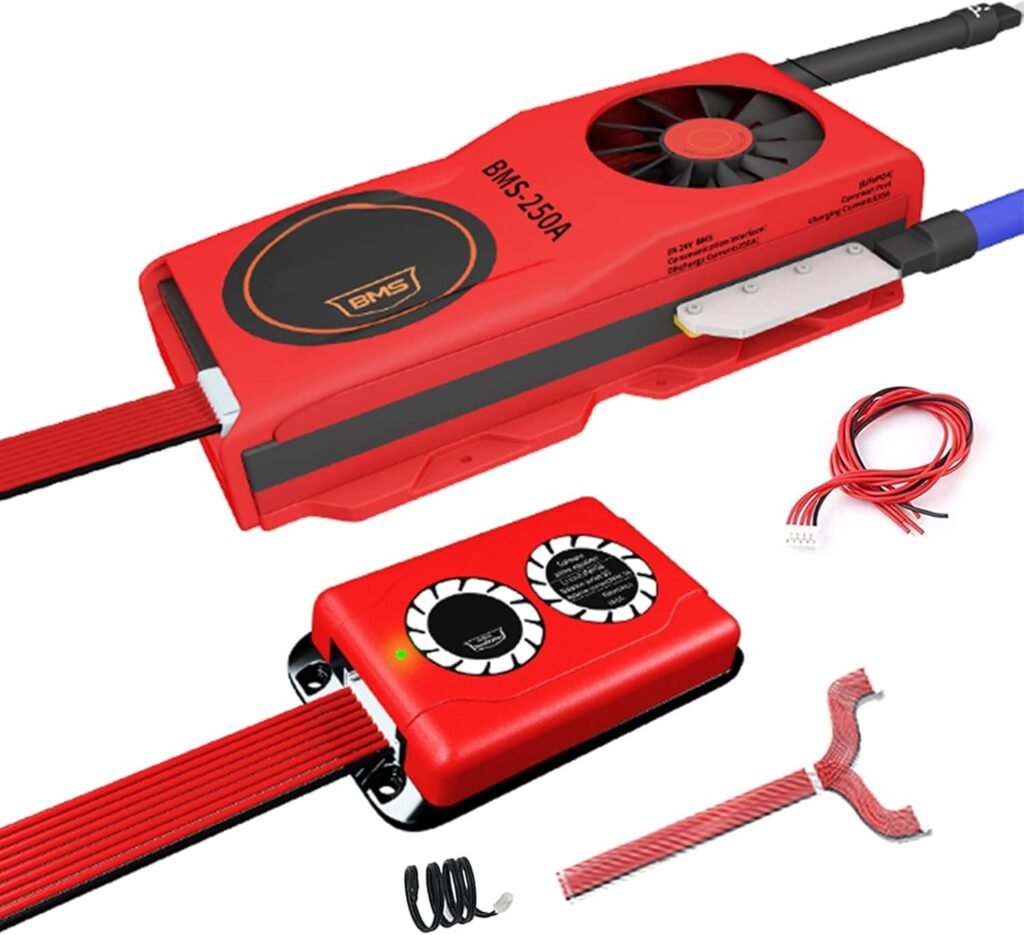
| Environmental Protection | Dustproof, shockproof, antistatic shell, heat-resistant up to 80 °C |
| Thermal Design | Aluminum sheet for improved heat dissipation |
| Included in Package | Active Balancer *1, BMS *1, Sampling Wire *1, Matching Balance Wire *1, Manual *1 |
| Smart Communication | No smart communication (no Bluetooth, CAN, UART, etc.) |
Understanding the Active Balancer Function
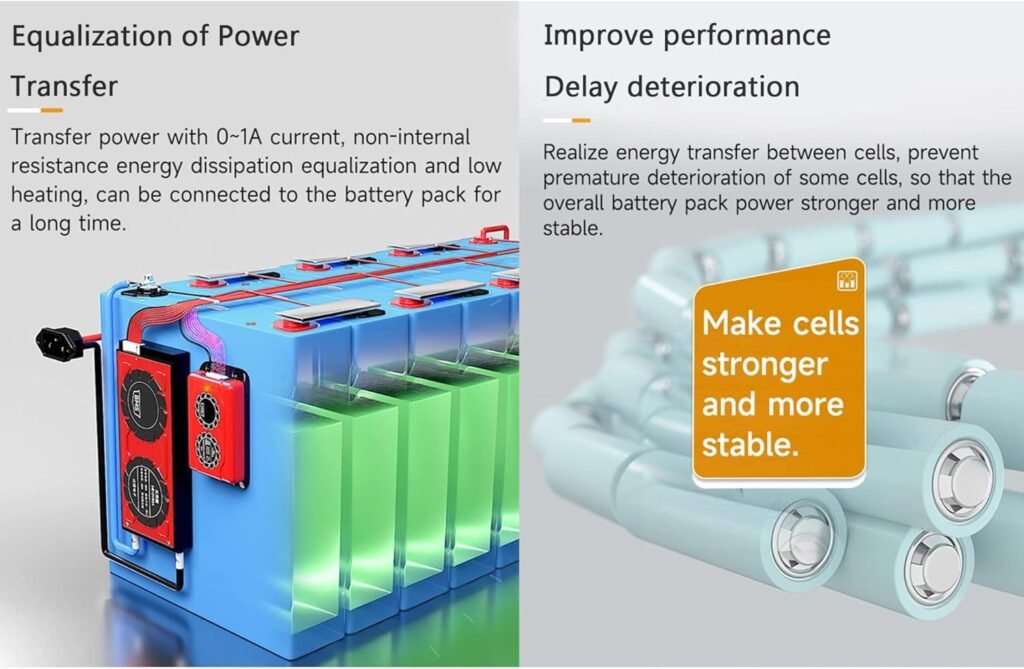
Active balancing is one of the main reasons to pick this product over simpler, cheaper alternatives. Instead of burning off excess energy as heat from higher-voltage cells, this unit transfers energy to lower-voltage cells through capacitive equalization.
This method can dramatically improve pack efficiency and reduce wasted energy, especially on higher-capacity packs or packs that frequently see deep discharges and full charges.
Why Active Equalization Matters
Most basic BMS boards use passive balancing, which just bleeds off energy from high cells as heat. Active equalization is more sophisticated and more efficient, especially when we have a pack that constantly drifts out of balance.
With this board, the equalizer works to keep all cells at a closer voltage level, which helps:
- Increase usable capacity of the pack
- Reduce stress on individual cells
- Extend overall pack life
Battery Management System Protection Features
The BMS part of this product handles protection tasks, shielding our pack from common failure modes. These functions help prevent dangerous situations like overcharging, deep discharging, short circuits, and sustained overcurrent.
We can think of the BMS as the guardian of our pack, ensuring that the cells stay within safe operating boundaries while we use them in our projects or systems.
Overcharge and Over-Discharge Protection
Lithium cells are sensitive to going above or below their recommended voltages. Overcharging can cause swelling and damage, while over-discharging can permanently reduce capacity or brick the cell.
This BMS includes:
- Overcharge protection: stops charging when a cell exceeds its safe voltage
- Over-discharge protection: cuts off load when a cell goes below its minimum safe voltage
Used correctly, this helps us avoid rapid cell degradation caused by poor charger behavior or excessive load usage.
Overcurrent and Short Circuit Protection
If a device or wire fails and draws too much current, or if we accidentally short our battery pack, very high currents can occur. This can cause wiring to overheat, connectors to melt, or worse.
The BMS is designed to:
- Detect overcurrent and disconnect output
- Respond to short circuits quickly to protect the pack and the wiring
Of course, good fuse design and proper conductor sizing are still essential, but this is a critical second line of defense.

Supported Battery Types and Chemistries
This board is versatile because it can support multiple lithium chemistries that many of us use for energy storage and projects. However, we still need to configure and use it according to the correct voltage settings and usage guidelines.
LiFePO₄ (3.2 V Nominal)
LiFePO₄ (LFP) is a popular choice for energy storage because of its stability, long cycle life, and safer behavior under abuse. With 3.2 V nominal per cell, a 4S LiFePO₄ pack runs around 12.8 V nominal, while 8S and 16S are used for higher-voltage systems in other contexts.
In this case, the board supports 3S–10S, so typical configurations for LiFePO₄ might be:
- 4S (approx. 12 V nominal)
- 8S (approx. 24 V nominal)
- 10S (for a higher-voltage LFP configuration if we choose that approach)
We should always confirm our target charge voltage and cutoff settings according to the chemistry.
NCM / Li-ion (3.7 V Nominal)
NCM or standard lithium-ion cells (3.6–3.7 V nominal) are common in power tools, e-bikes, portable electronics, and many DIY packs. These cells often charge up to about 4.2 V per cell.
With 3S–10S capability, this balancer can work in packs such as:
- 3S (approx. 11.1 V nominal)
- 7S or 10S (common in some e-bike and tool packs)
For these cells, precise overcharge protection is especially important, because going beyond 4.2 V per cell can be very dangerous.
LTO (Lithium Titanate, 2.2 V Nominal)
LTO is less common in casual hobby circles but is valued for its extreme cycle life and fast charge tolerance. With a nominal cell voltage around 2.2 V, pack design differs significantly from typical Li-ion.
Since this board supports LTO, we can integrate it into specialized setups where we want long life and rapid charge cycling. Again, using the correct voltage thresholds is crucial, because LTO charge and discharge ranges differ from NCM and LFP.
3S–10S Flexibility for Different Projects
One major attraction of this board is that it supports from 3 cells in series up to 10 cells in series. That gives us the ability to use it in multiple pack setups without needing a different BMS for each configuration.
This flexibility is especially useful if we tend to build a variety of battery packs for different projects, or if we plan to repurpose the board later.
Typical Use Cases by Series Count
Depending on how many cells in series we choose, we can aim at different target voltages and use cases:
- 3S–4S packs: Small portable systems, 12 V replacement, light-duty inverters
- 5S–7S packs: Medium-voltage systems, custom tools, robotics, small e-bikes
- 8S–10S packs: Higher-voltage DIY powerwalls, larger inverters, higher-power e-mobility platforms
We just need to confirm that our chargers, loads, and wiring are all sized correctly for the combined pack voltage and current.
Energy Transfer Balancing vs Passive Balancing
The product description emphasizes energy transfer balancing, which is the key difference between this board and many cheap BMS modules. Instead of burning off surplus energy in resistors (passive balancing), it moves energy between cells.
We benefit from more efficient balancing and less waste, which is particularly nice in off-grid or solar contexts where every watt counts.
How Capacitive Equalization Works for Us
In simple terms, a capacitive equalizer uses capacitors to temporarily store charge from a higher-voltage cell and then deliver that charge to a lower-voltage cell. Over time, this keeps cell voltages closer to each other.
For us, the advantages include:
- Reduced energy waste as heat
- Faster balancing for moderate cell imbalances
- Potentially longer runtimes due to more effective use of total pack capacity
Of course, the equalization current is around 1 A, so extremely large imbalances may still take some time to correct, but this is much more capable than many passive systems.
Build Quality and Physical Design
The product is described as dustproof, shockproof, and antistatic, with a shell that tolerates up to 80 °C. These characteristics matter when we are installing it in enclosures that might see vibration or elevated temperatures.
The presence of an aluminum sheet for heat dissipation shows that the manufacturer has considered thermal management, which is crucial for a board that deals with significant currents and balancing functions.
LED Indicators and Status Feedback
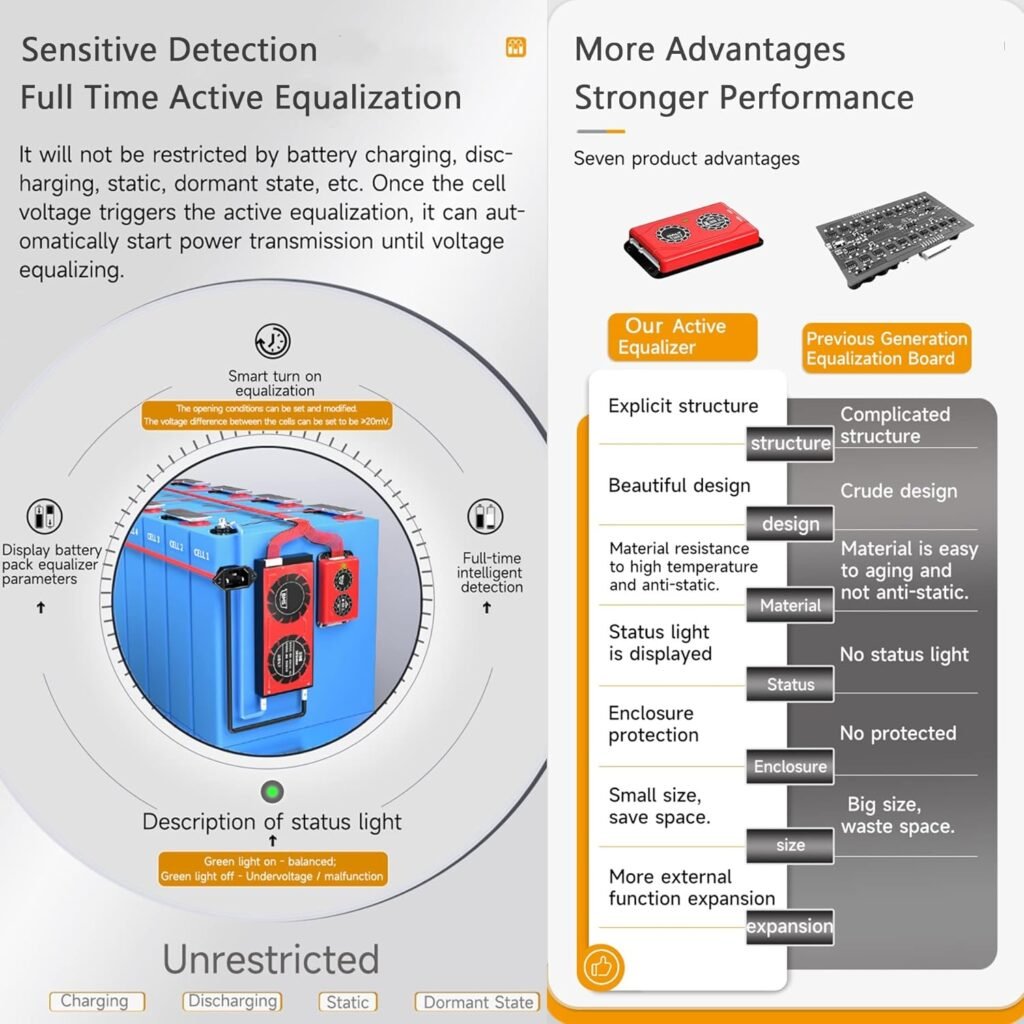
There is an LED display with green lights that show balancing and error/undervoltage conditions. While this is not as fancy as a full smart app interface, it gives us at-a-glance feedback.
We can use these LED cues to:
- Confirm that balancing is active (green balance light)
- Identify abnormal conditions such as undervoltage or errors (indicated by different green light states)
Although minimal, this feedback can be helpful during setup and troubleshooting.
Absence of Smart Communication
One important point in the product description is that the BMS does not include smart communication. That means no Bluetooth, Wi-Fi, CAN bus, UART, or app-based monitoring.
We should decide whether this is acceptable for our use case. Some of us prefer a simple, robust system without the complexity of wireless modules or extra configuration.
When No Smart Interface Is a Good Thing
In many installations, a lack of smart communication is not actually a disadvantage. If we value:
- Simplicity and fewer points of failure
- Lower cost
- Reduced risk of configuration overload
then a non-smart BMS can be a solid choice. We just rely on the built-in protections and LED indicators, along with any external meters or gauges we add ourselves.
Thermal Management and Safety Considerations
The active balancing process and the protection circuitry generate heat, especially under heavy load or frequent balancing. The aluminum plate is there to help spread and dissipate that heat.
We should still be careful with how and where we mount the board to ensure good airflow and safe temperatures during operation.
Mounting and Ventilation Tips
When we integrate this board into a system, a few practical steps can help:
- Avoid placing it directly against insulation or foam with no airflow
- Provide small gaps or standoffs so air can move around the board
- Keep it away from direct contact with high-heat components like inverters or motor controllers
These small installation choices can extend the life of the BMS and maintain safer operating conditions.
Included Accessories and What They Mean for Setup
The package includes the active balancer, a BMS board, a sampling wire, a matching balance wire, and an instruction manual. These parts are necessary for connecting the board to the cells correctly.
For many of us, having the correct pre-terminated balance harness saves time and reduces the chance of wiring errors that could harm the pack.
Role of Sampling and Balance Wires
The sampling wire and matching balance wire are used to connect the BMS to each cell tap. This allows the board to:
- Monitor individual cell voltages
- Perform equalization across all series cells
- Apply overcharge or over-discharge protection at the cell level
We must follow the manual carefully when attaching these wires. Miswiring cell taps can result in immediate damage to the board or the pack.
Installation Overview and Practical Considerations
Since battery systems carry risk, careful installation is essential. Even with a friendly kit like this one, we should approach wiring and configuration with patience and a methodical attitude.
We can think of the installation as four main steps: planning, wiring, checking, and testing.
Step 1: Planning Our Pack
Before we connect anything, we decide:
- Number of cells in series (3S–10S)
- Chemistry and cell specifications (LiFePO₄, NCM, LTO)
- Desired pack voltage and capacity
- Maximum current our system will use
We also verify that our wiring, fuses, and connectors are rated appropriately for both the voltage and the current.
Step 2: Connecting the Balance Leads
Next, we connect the sampling / balance wires to each cell tap following the instructions in the manual. We typically go in order from the pack negative to the highest positive tap.
Some safety habits that help:
- Make connections while the pack is at a moderate, safe voltage (not fully charged)
- Double-check polarity of every tap before we plug into the BMS
- Use a multimeter to confirm each step if we are unsure
Care here pays off by avoiding short circuits or reversed polarity on the delicate signal lines.
Step 3: Power and Main Leads
After the balance wires, we connect the main pack positive and negative leads to the BMS according to the wiring diagram. This often includes:
- Pack negative passing through the BMS
- Pack positive routed to our loads and charger
We make sure that bolt connections are tight, solder joints are solid, and conductors are sized properly.
Step 4: Initial Testing
Once everything is wired, we:
- Check for any unexpected heating, smells, or noise
- Monitor voltages across each cell and across the entire pack
- Watch the LED indicators to verify that balancing and protection behaviors are as expected
Only after passing these checks do we start using the pack under real load.
Real-World Applications and Where This Board Shines
This BMS and active balancer can fit into many types of projects. It is particularly suited to medium to large DIY packs where cell balance and long-term consistency matter.
We can think of scenarios such as:
- Home or off-grid battery banks
- RV or camper power systems
- E-bike or light EV battery packs
- Portable power stations and inverters
Anywhere we want an efficient, balanced, and protected pack in the 12 V–36 V range, this product is a candidate.
Example: Small Off-Grid Power System
If we are building a small 12 V or 24 V off-grid solar system with LiFePO₄ cells, this board can keep our pack balanced and safe:
- Active balancing makes sure no cell drifts too far from the others
- Overcharge protection stops excessive voltage from solar charge controllers that are not perfectly tuned
- Over-discharge and overcurrent protection protect the pack from heavy loads or wiring mistakes
This can extend pack life and give us more confidence in unattended operation.
Advantages of Choosing This Active Balancer BMS
Several strengths stand out based on the product details and intended use. If we value efficiency, versatility, and a simple feature set, this BMS has much to offer.
We can summarize the main advantages that might matter most to us and our projects.
High-Level Benefits
- Active, energy transfer balancing: Efficient, less wasteful equalization that improves pack performance.
- Wide series support (3S–10S): Flexible for multiple pack architectures.
- Multiple chemistries supported: Works with LiFePO₄, NCM/Li-ion, and LTO (with proper settings and usage).
- Robust protection functions: Overcharge, over-discharge, overcurrent, and short circuit safeguarding.
- Improved thermal design: Aluminum sheet helps manage heat.
- Protective housing: Dustproof, shockproof, antistatic with 80 °C heat resistance.
For many users, this is a strong balance between capability and complexity, especially if we are comfortable working without a smart app interface.
Limitations and Things We Should Keep in Mind
No product is perfect, and it is important for us to be realistic about what this BMS is and what it is not. Understanding limitations helps us avoid misuse and disappointment.
We should consider our requirements before committing it to a critical installation.
Potential Drawbacks
- No smart monitoring: We cannot see cell data on a phone or logpack behavior automatically.
- Requires careful setup: Miswiring can cause immediate damage, so attention to detail is mandatory.
- Balancing current limit (around 1 A): While good for many packs, enormous banks or heavily unbalanced cells might take longer to equalize.
- Requires manual interpretation of LEDs: Troubleshooting relies more on meters and observation than on app-based diagnostics.
If we want granular data logging, remote monitoring, or highly configurable protections, we might need a more advanced and more expensive BMS.
Ideal Users and Use Cases
This product is best suited for users who are comfortable working with battery systems and who want a solid, efficient, and relatively simple solution for balancing and protection.
We might be a good fit for this product if our priorities line up with its strengths.
Who Will Like This Product Most
- DIY builders assembling 3S–10S lithium packs
- Enthusiasts optimizing off-grid solar, RV, or backup battery systems
- Users who want active balancing without a complex smart interface
- People who prefer straightforward LED feedback over apps and firmware updates
If we are new to lithium batteries entirely, we can still use it, but we should budget time for reading, planning, and careful testing.
Performance Expectations and Battery Longevity
Properly used, an active balancer like this can significantly improve how well our pack maintains capacity over time. Cells that stay in balance age more gracefully and are less likely to suffer from early degradation.
We should, however, remember that no BMS can compensate for poor-quality cells or fundamentally bad pack design.
How It Helps Our Pack Last Longer
The board contributes to longevity by:
- Preventing chronic overcharge of stronger cells
- Avoiding deep over-discharge of weaker cells
- Keeping cell voltages closer together during charge and discharge cycles
- Reducing wasted energy that could otherwise become needless heat
Combined with good cell selection, proper mechanical compression (for some chemistries), and quality connectors, these features help us get the most out of our investment in cells.
Safety Tips for Working With This BMS
Battery systems, especially those capable of 30 A–500 A, can be dangerous if mishandled. We should always approach installation and testing with safety as our top priority.
A careful, measured workflow gives us better results and peace of mind.
Practical Safety Guidelines
- Work in a clean, non-flammable area, away from clutter.
- Use insulated tools when working close to energized terminals.
- Wear safety glasses and avoid metal jewelry.
- Add fuses or breakers sized correctly for our conductor capacity and system current.
- Never short cells or packs intentionally to “test” them.
We should also keep a class-appropriate fire extinguisher nearby when working with large lithium packs. While serious incidents are rare with proper practice, it is wise to be prepared.
How This Unit Compares to Basic BMS Boards
If we have used cheap BMS boards before, we might wonder what we gain by moving to an active balancer like this. The difference shows up in pack stability, usable capacity, and long-term behavior.
We can think of it as moving from a basic safety relay to a more intelligent energy manager.
Key Differences vs Standard Passive BMS
- Balancing method: Active energy transfer vs simple resistor bleed.
- Efficiency: Less energy wasted as heat, especially over many cycles.
- Consistency: Better cell matching over time, which improves usable capacity.
- Heat profile: Less localized heating from continuous bleed resistors.
If we only need the bare minimum of safety and are assembling a small pack, a very cheap BMS might be adequate. But for serious packs, the investment in active balancing is easier to justify.
Troubleshooting Common Issues
In practice, we may occasionally run into issues such as unexpected cutoffs, imbalance that takes time to correct, or confusing LED behavior. A systematic approach helps us diagnose what is going on.
We can use a multimeter and the manual as our main tools for most troubleshooting steps.
Basic Troubleshooting Steps
-
Pack not turning on or delivering power
- Check main fuse and all wiring connections.
- Measure pack voltage directly at the cell level and at BMS output.
- Look for over-discharge cutoff or overcurrent lockout conditions.
-
Cells remain out of balance
- Verify that all balance wires are attached in the correct order.
- Confirm that the equalizer is powered and the LED indicates balancing.
- Check for a particularly damaged cell that may not recover.
-
BMS frequently cutting off
- Review load current and see if it exceeds the system’s practical current limit.
- Ensure the charger is not overshooting safe cell voltages.
Most problems trace back to wiring errors, incorrect component choices, or defective cells, rather than the BMS itself.
Our Overall Impression and Value Assessment
When we sum up what this product offers, we see a capable active balancer and BMS combination that emphasizes energy efficiency, multi-chemistry support, and 3S–10S flexibility. It is aimed at users who want effective balancing and standard safety protections without heavy digital integration.
For multi-cell lithium packs in the 12 V–36 V range, especially those in the 30 A–500 A system category, we can get a lot of benefit from this board if we install and use it correctly.
When It Is a Strong Choice
We would consider this BMS a strong fit when:
- We want active balancing to protect our investment in cells.
- We favor a straightforward, non-smart interface.
- We are building or upgrading a 3S–10S pack in the low to medium voltage range.
- We are comfortable working with battery wiring and safety practices.
It gives us that useful combination of protection and efficiency that can make a noticeable difference in pack stability and lifespan over time.
Final Thoughts on Using This Active Balancer BMS
If we are serious about building or maintaining a reliable lithium battery pack, balancing and protection are not optional; they are essential. This “Whole Group Active Balancer 3S–10S 1A Battery Management System 30A–500A 12V–36V Lifepo4 Lithium Lipo Battery Equalization Energy Transfer Board Capacitor Equalizer with Sampling Cable” focuses on doing those jobs effectively without extra complications like wireless connectivity.
By pairing active energy transfer balancing with robust protection features, it gives us a solid foundation for safe, long-lasting battery systems. As long as we take wiring, configuration, and safety seriously, we can expect smoother performance, better cell consistency, and fewer unpleasant surprises in our packs over the long term.
Disclosure: As an Amazon Associate, I earn from qualifying purchases.