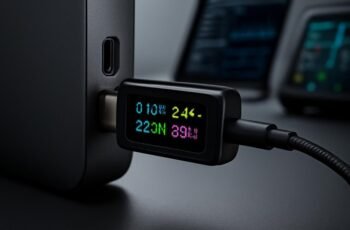
When it comes to indoor LiFePO4 battery installations, adhering to meticulous charging protocols is essential to mitigate safety risks. We must ensure that chargers are specifically designed for LiFePO4 chemistry, with precise voltage and current regulation, and implement robust ventilation and monitoring systems. Overlooking these details can lead to hazardous conditions. Understanding the critical factors involved is fundamental before establishing comprehensive safety measures, which makes it necessary to examine each step carefully.
Key Takeaways
- Use chargers specifically designed for LiFePO4 chemistry with proper voltage, current regulation, and safety features like automatic shut-off.
- Ensure adequate ventilation and unobstructed airflow around batteries and vents to prevent heat buildup and gas accumulation.
- Regularly monitor voltage, temperature, and air quality to detect early signs of thermal imbalance or hazardous gases.
- Follow manufacturer guidelines for charging voltages and resting phases to prevent overcharging and thermal runaway.
- Implement emergency preparedness with detectors, accessible extinguishers, clear evacuation routes, and routine safety drills.
Understanding the Safety Risks of Indoor LiFePO4 Charging
Why is it essential to understand the safety risks associated with indoor LiFePO4 battery charging? Recognizing indoor hazards linked to battery storage is critical for preventing accidents. LiFePO4 batteries, while inherently stable, can pose risks if improperly managed during charging. Overheating, thermal runaway, and gas emissions are potential hazards that may occur due to inadequate ventilation or faulty connections. Indoor environments amplify these risks because confined spaces can concentrate heat or flammable gases, increasing fire or explosion potential. Proper assessment of battery storage conditions, including temperature control and secure placement, is vital. Understanding these safety risks enables us to implement effective precautions, ensuring safe operation and minimizing damage or injury during indoor LiFePO4 charging sessions.
Choosing the Right Charger for Indoor LiFePO4 Batteries
Selecting the appropriate charger for indoor LiFePO4 batteries is crucial to ensure safe and efficient operation. A charger with precise voltage and current regulation optimizes charging efficiency, reducing the risk of overcharging or thermal runaway. It’s essential to choose a charger specifically designed for LiFePO4 chemistry, as generic chargers may lack the necessary safety protocols or voltage profiles. High-quality chargers incorporate features like temperature compensation and automatic shut-off, which safeguard against overheating and prolong battery lifespan. Accurate amperage control ensures rapid yet safe charging, preserving battery integrity. Adhering to manufacturer specifications and safety protocols when selecting a charger minimizes hazards, enhances longevity, and guarantees optimal performance. Proper charger selection is a fundamental step in maintaining a safe indoor charging environment.
Ensuring Proper Ventilation During Indoor Charging
Proper ventilation system efficiency is critical to prevent the accumulation of potentially hazardous gases during charging. We must regularly inspect for and eliminate vent blockages to maintain airflow and ensure safety. Additionally, continuous monitoring of air quality helps detect any buildup of harmful substances, allowing prompt corrective action.
Ventilation System Efficiency
Have you considered how critical ventilation efficiency is for safe indoor LiFePO4 battery charging? Adequate ventilation efficiency ensures optimal indoor air exchange, which is essential for dispersing any potentially hazardous gases or heat generated during charging. A well-designed ventilation system maintains consistent airflow rates, preventing the buildup of airborne contaminants and ensuring that ambient oxygen levels remain stable. Precise calculation of airflow capacity and placement of exhaust vents are crucial to achieve effective indoor air exchange. Monitoring system performance regularly guarantees sustained efficiency, especially as battery systems age or environmental conditions change. Without proper ventilation efficiency, accumulated gases or heat could pose safety risks, making meticulous design, installation, and maintenance of ventilation systems indispensable for safe indoor LiFePO4 battery operation.
Avoiding Vent Blockages
Ensuring that ventilation pathways remain unobstructed is essential for maintaining safe indoor charging conditions for LiFePO4 batteries. Proper ventilation design should prioritize unobstructed airflow paths, preventing vent obstruction that could impair heat dissipation and gas release. It’s critical to position vents strategically, avoiding placement near obstructions such as furniture or structural elements that can block airflow. Regular inspections are necessary to identify and eliminate any debris or objects that may compromise vent functionality. Adequate clearance around vents facilitates optimal airflow, reducing the risk of heat accumulation and gas buildup. A meticulous approach to ventilation design and vigilant maintenance helps ensure that vent obstructions do not develop, supporting the safe and effective indoor charging of LiFePO4 batteries.
Monitoring Air Quality
How can we verify that indoor air quality remains safe during LiFePO4 battery charging? We rely on continuous airflow monitoring and the deployment of precise air quality sensors to detect potential hazards. Airflow monitoring ensures proper ventilation rates, preventing the accumulation of potentially harmful gases. Air quality sensors measure parameters such as volatile organic compounds (VOCs), carbon dioxide (CO₂), and other airborne contaminants, providing real-time data. These instruments must be calibrated accurately and integrated into a comprehensive monitoring system to promptly identify deviations from safe thresholds. Maintaining optimal ventilation based on sensor feedback minimizes the risk of hazardous gas buildup, ensuring a safe environment. Regular data review and system audits are essential to uphold ongoing air quality standards during indoor battery charging.
Following Manufacturer Guidelines for Safe Charging Practices
Adhering to the manufacturer’s specified voltage ranges ensures safe and reliable battery operation during charging. Using approved charging equipment maintains electrical compatibility and minimizes risks of damage or safety hazards. Strict compliance with these guidelines is essential for optimal battery lifespan and safety.
Adhere to Specified Voltages
Have you verified that your charging equipment aligns with your LiFePO4 battery manufacturer’s recommended voltage parameters? Ensuring voltage adherence is critical for maintaining charge safety and preventing damage. Manufacturers specify precise voltage limits for both charging and resting phases; exceeding these can lead to overvoltage conditions that compromise battery integrity. Consistent adherence to these specified voltages guarantees safe, reliable operation and maximizes battery lifespan. We must meticulously monitor and regulate voltage levels throughout the charging process, avoiding any deviations from the recommended range. Proper voltage adherence not only safeguards the battery but also enhances overall system stability. By strictly following manufacturer guidelines, we uphold optimal charge safety, reducing the risk of thermal runaway, capacity loss, or other hazards associated with improper voltage management.
Use Approved Charging Equipment
Selecting and using the correct charging equipment is fundamental to maintaining safe and reliable LiFePO4 battery operations. We must ensure the charger has undergone approval testing to meet safety standards and is specifically designed for LiFePO4 chemistry. Device compatibility is critical; using incompatible chargers can lead to overvoltage, overheating, or reduced battery lifespan. Always verify that the charger’s specifications align with the manufacturer’s guidelines for voltage, current, and communication protocols. Rely on equipment that has passed rigorous approval testing, confirming it adheres to industry safety and performance standards. Properly chosen, approved charging devices minimize risks associated with electrical faults, thermal runaway, and improper charging cycles, ensuring a safe indoor environment and extending battery service life.
Implementing Fire Prevention and Emergency Measures
Why is it essential to implement thorough fire prevention and emergency measures when installing indoor LiFePO4 batteries? Ensuring fire safety requires a comprehensive approach that minimizes ignition risks and prepares for potential incidents. We develop detailed emergency planning protocols, including clear evacuation routes, accessible fire extinguishers rated for electrical fires, and trained personnel. Proper compartmentalization and ventilation reduce heat buildup, preventing thermal runaway. Installing smoke detectors and thermal sensors provides early fire detection, facilitating prompt response. Additionally, we establish communication procedures and regular drills to ensure readiness. These measures collectively mitigate fire hazards, protect property, and safeguard lives. Effective emergency planning ensures swift, coordinated action, reducing damage and promoting a safe indoor environment for LiFePO4 battery installations.
Regular Maintenance and Monitoring to Keep Charging Safe
How can we guarantee the ongoing safety of charging LiFePO4 batteries indoors? Regular maintenance and monitoring are essential. Consistently inspect safe wiring for signs of wear, corrosion, or loose connections that could compromise safety. Ensure battery mounting remains secure to prevent movement or damage. Routine checks include voltage and temperature monitoring, which help identify early signs of thermal imbalance or overcharging. Implementing a maintenance schedule allows us to detect issues before they escalate. Use the following table as a quick reference:
| Inspection Task | Frequency | Key Concern |
|---|---|---|
| Safe wiring and connections | Monthly | Wear, corrosion, looseness |
| Battery mounting stability | Quarterly | Securing mounting points |
| Voltage & temperature check | Weekly | Overcharge, overheating |
Meticulous adherence to these practices keeps indoor charging safe.
Frequently Asked Questions
Can Lifepo4 Batteries Be Safely Charged Overnight Indoors?
We believe LiFePO4 batteries can be safely charged overnight indoors when properly monitored, avoiding indoor heating and flame sources, ensuring ventilation, and using a compatible, quality charger with built-in safeguards to prevent overcharging or thermal issues.
What Are the Signs of a Failing Lifepo4 Battery During Charging?
We observe failing LiFePO4 batteries during charging if the battery temperature rises abnormally or the charging current exceeds recommended limits, indicating internal issues. Monitoring these parameters helps prevent potential failures and guarantees safe, efficient operation.
How Often Should Indoor Lifepo4 Battery Systems Be Inspected?
Ever wonder how often we should inspect our indoor LiFePO4 systems? We recommend monthly checks, focusing on insulation upgrades and humidity control, to catch issues early, ensuring optimal performance and safety through meticulous, technical assessments.
Are There Specific Indoor Environments Best Suited for Lifepo4 Batteries?
Indoor environments with proper ventilation and smoke detectors are ideal for LiFePO4 batteries, as they minimize risk, manage heat effectively, and guarantee safety, especially during charging, by promptly alerting us to potential hazards.
What Are the Legal Regulations for Indoor Battery Installations?
We ensure compliance with legal regulations by securing indoor permits and maintaining hazardous clearance zones around LiFePO4 batteries, adhering to strict electrical codes and safety standards to prevent fire hazards and ensure safe operation within indoor environments.
Conclusion
By adhering to these meticulous practices, we create a fortress around our indoor LiFePO4 batteries, turning potential hazards into manageable risks. Just as a skilled conductor guides an orchestra to harmony, careful monitoring, proper ventilation, and adherence to guidelines ensure a safe charging environment. This disciplined approach not only safeguards our equipment but also maintains the integrity of our space, transforming a complex system into a symphony of safety and reliability.