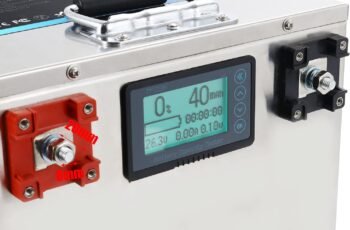
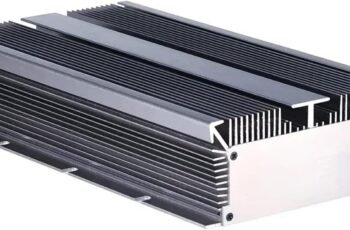
Have you been searching for a reliable 48V battery that can keep your AGV or robotic transporter running smoothly and safely for long hours?
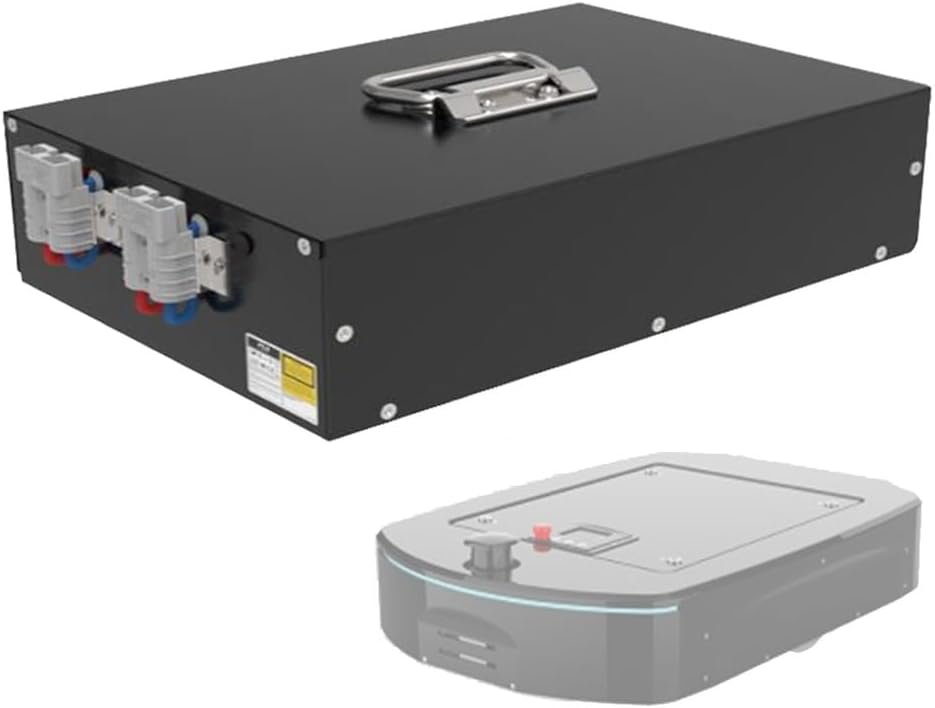

Understanding Your 48V 50Ah LiFePO4 Battery
When you choose the LiFePO4 Battery 48V 50Ah Lithium Battery 48V Replacement Batteries 50Ah Deep Cycle Batteries for AGV Robotic Transporter for 500W – 2400W Motor Kit with Handle, you are getting a power solution designed specifically for demanding applications. You are not just buying a battery; you are investing in reliability, efficiency, and long-term performance.
This battery is built around LiFePO4 chemistry, which is known for safety, stability, and long cycle life. If you rely on AGVs, robotic transporters, or similar equipment, you want a battery that you can set up, monitor, and trust day after day without constant worry.
Key Specifications at a Glance
You may want a quick view of what this battery actually offers in terms of numbers and dimensions. The following overview helps you understand whether it fits your system’s requirements.
Core Technical Details
You get a standard 48V output and 50Ah capacity, which is ideal for systems in the 500W to 2400W range. This makes it suitable for a broad variety of motor kits and industrial applications where stable power is a must.
| Feature | Specification |
|---|---|
| Chemistry | LiFePO4 (Lithium Iron Phosphate) |
| Nominal Voltage | 48V |
| Capacity | 50Ah |
| Power Range Compatibility | 500W – 2400W motor kits |
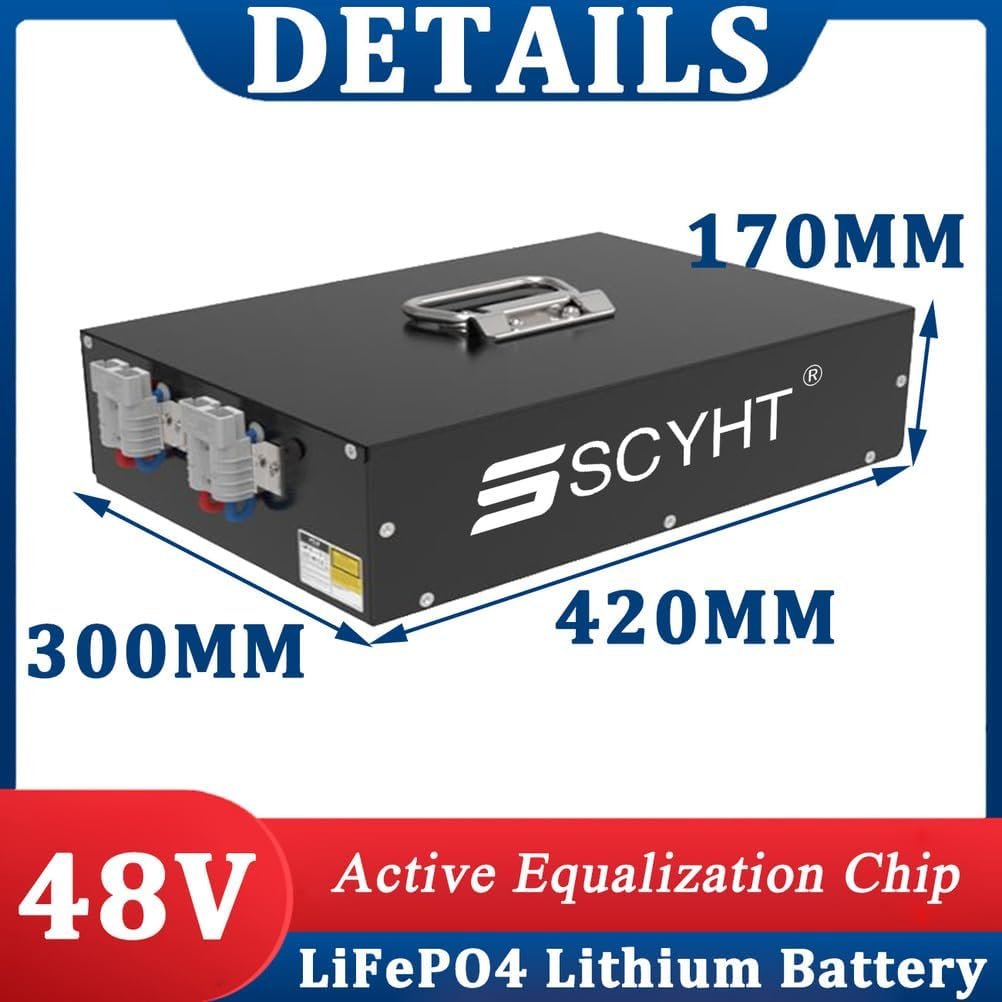
| Dimensions | 420 × 300 × 170 mm |
| Approximate Weight | 20 kg (shipped by sea freight) |
| Built‑in BMS Rating | 30A Protection Board |
| Shell Material | Metal with sealing gel |
| Protection Focus | Dust, water, and salt spray resistance |
| Typical Applications | AGV, Robotic Transporter, other 48V systems |
These specs show you that this battery is designed for serious, real‑world use rather than light hobby tasks. You get industrial‑grade features in a relatively compact housing.
Why LiFePO4 Chemistry Matters for You
If you are used to lead‑acid batteries or even older lithium chemistries, LiFePO4 brings some important advantages that directly affect your day‑to‑day use, safety, and maintenance.
Safety and Stability for Demanding Environments
You want a battery that will not overheat, swell, or become unstable under typical operating loads. LiFePO4 chemistry is known for:
- High thermal stability
- Very low risk of thermal runaway
- Better tolerance to deep discharge compared with many other chemistries
This means you can run your AGV or robotic transporter for long duty cycles without constantly worrying about battery safety, as long as you follow basic guidelines and do not exceed the recommended conditions.
Longer Cycle Life and Better Cost Over Time
You might pay more upfront for LiFePO4 compared to basic lead‑acid options, but you win in the long term. LiFePO4 typically handles far more charge/discharge cycles before dropping below usable capacity.
For heavy daily or weekly use, your total cost per cycle tends to be much lower. You spend less time replacing batteries, dealing with downtime, or troubleshooting power issues.
48V and 50Ah: What That Means for Your Setup
Understanding voltage and capacity helps you match this battery to your equipment and estimate runtime more realistically.
Matching Voltage to Your System
This battery outputs a nominal 48V, which is standard for many AGV systems and robotic platforms. As long as your motor controller and other components are designed for 48V input, you are in good shape.
A compatible 500W – 2400W motor kit is your target range. Staying within that range helps you avoid:
- Overstressing the battery
- Tripping the BMS protection
- Shortening overall battery life
If your system uses a 48V bus and falls within the power range, you can integrate this unit with fewer compatibility headaches.
Capacity and Runtime Expectations
The 50Ah capacity indicates how much charge the battery can store. To estimate runtime, you can think in watt‑hours (Wh):
- 48V × 50Ah = about 2400Wh (2.4kWh) of stored energy
Your actual runtime depends on the load. For example:
- Around 500W load → roughly 4 to 4.5 hours (under ideal conditions)
- Around 1000W load → roughly 2 to 2.5 hours
- Around 2000W load → roughly 1 to 1.25 hours
Real‑world conditions (temperature, driving pattern, acceleration, and idle time) will influence these numbers, but this gives you a useful baseline.
Built‑In 30A BMS: How It Protects Your Investment
Inside the battery is a 30A Battery Management System (BMS). This is one of the most important components, because it protects both you and the battery.
What the 30A BMS Actually Does for You
The BMS continuously monitors individual cells and the whole pack. It typically manages:
- Overcharge protection
- Over‑discharge protection
- Overcurrent and short‑circuit protection
- Temperature‑related cutoffs (depending on specific design)
- Cell balancing during charging
With a 30A BMS, you want to be sure your continuous current draw stays within safe limits. Many AGV or robotic systems are efficient enough that a 30A BMS works well, especially when you account for real‑world duty cycles where your system rarely pulls peak current for long periods.
Why BMS Protection Matters in Practical Use
You benefit from the BMS every day even if you never see it. It helps:
- Prevent damage from accidental overcharging
- Reduce the risk of your system running the pack down to a dangerously low voltage
- Maintain better cell health across the whole pack
Instead of micromanaging every charge and discharge, you can focus on your tasks and trust that the electronics inside are helping keep the battery within a safe operating window.
Triple Protection Against Dust, Water, and Salt Spray
If your AGV or robotic transporter operates near doors, in warehouses with dust, or even in coastal or slightly humid environments, external protection is crucial.
Environmental Protection for Real‑World Conditions
This battery is designed with triple protection in mind:
- Dust resistance: Helps prevent dust from building up inside and interfering with connections.
- Water resistance: Protects against rain, splashes, and minor exposure to wet environments.
- Salt spray resistance: Reduces the risk of corrosion, which is especially useful in coastal or industrial areas.
This does not mean you can submerge the battery or expose it to high‑pressure water jets, but it does mean it can handle the kind of occasional exposure that often happens in busy facilities.
More Uptime, Less Maintenance
When you have better environmental sealing, you spend less time worrying about cleaning, corrosion, or sudden failures due to moisture or dust intrusion. That matters if your equipment runs multiple shifts or has to operate reliably with minimal oversight.
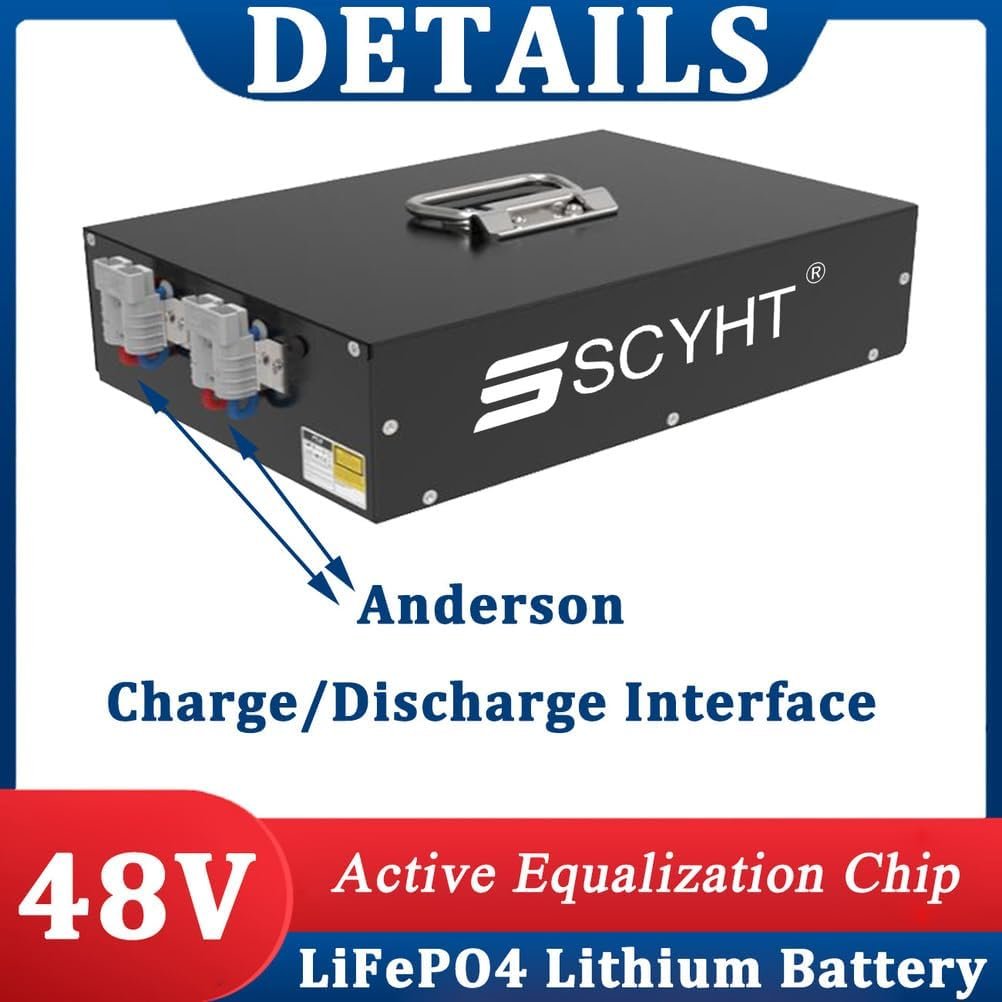
Metal Shell with Sealing Gel: Your First Line of Defense
Beyond the chemistry, the actual housing dramatically affects durability and safety.
Rugged Metal Housing for Industrial Use
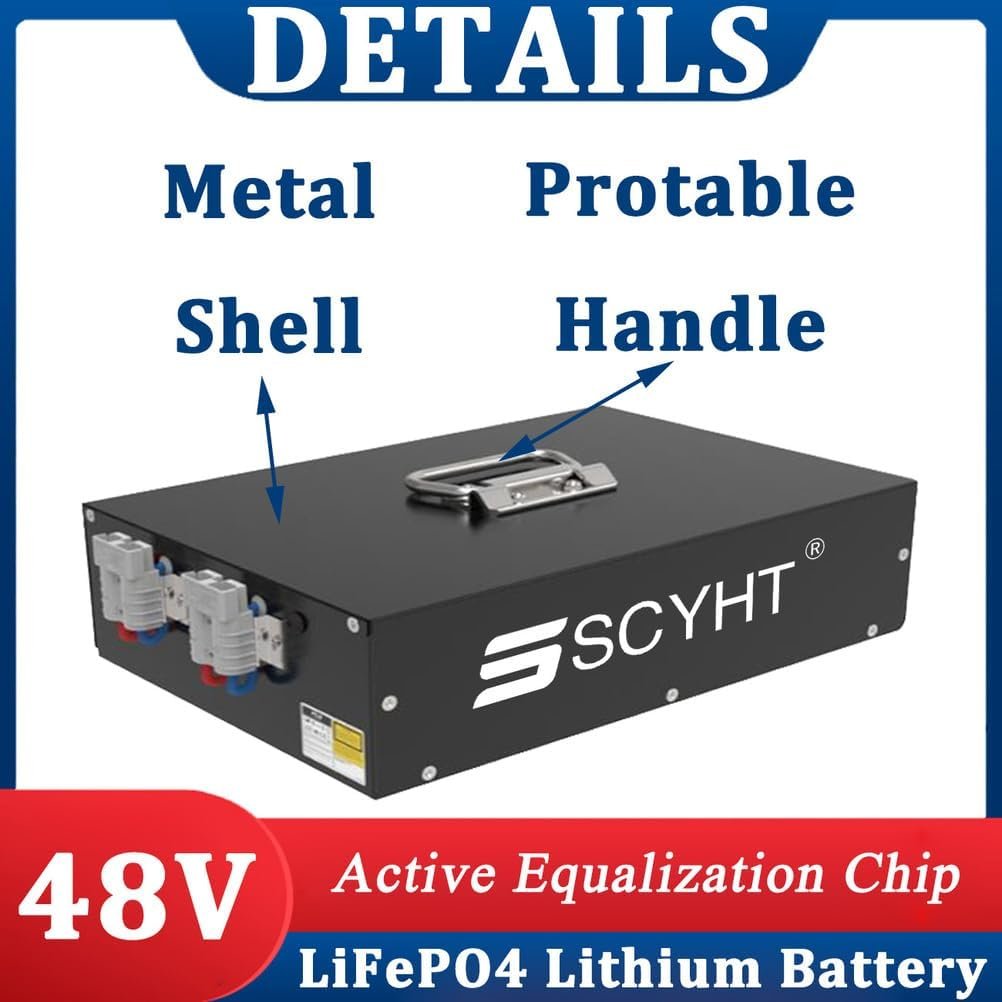
The metal shell gives you robust physical protection. If your battery is mounted in a mobile platform that might bump into racks, pallets, or other equipment, a solid metal casing helps prevent impacts from reaching the internal cells.
The size of 420 × 300 × 170 mm keeps it relatively compact for 48V/50Ah capacity, while still leaving space inside for proper layout, cell spacing, and BMS components.
Low Water Permeability Sealing Gel
The sealing gel adds an extra layer of protection by limiting water ingress. This matters if:
- Your AGV runs in areas where the floor is occasionally wet
- Your robotic transporter passes near open doors or loading docks
- You operate in environments with changing humidity
You can still treat the battery as an electronic component that should stay as dry as reasonably possible, but you gain confidence that accidental splashes or a bit of rain will not immediately cause a failure.
Portable Handle for Easier Handling and Installation
At around 20 kg, this battery is not ultra‑light, but it is manageable for one or two people to handle when you have the right design features.
Why the Handle Actually Helps You
The integrated handle makes it easier to:
- Lift the battery into tight compartments
- Remove it for maintenance or inspections
- Reinstall it after service
This might sound like a small detail, but if you need to swap batteries or move them around a facility, that handle saves you a lot of awkward gripping and reduces the risk of dropping the unit.
Faster Installation and Replacement
You can:
- Position the battery more accurately in its bracket or bay
- Reduce installation time, especially if you have several AGVs or robots
- Lower the chance of damaging connectors or cables during handling
When every minute counts in an industrial setup, small usability improvements like this handle contribute to smoother workflow and less frustration.
Compatibility with AGV and Robotic Transporters
You want to know if this battery will really suit your specific application. This model is clearly aimed at AGV (Automated Guided Vehicles) and robotic transporters, but it can also be used in other 48V systems within the power range.
Ideal Use Cases for This Battery
Typical applications include:
- Warehouse AGVs moving pallets or totes
- Robotic transport carts in manufacturing lines
- Autonomous platforms for material handling
- Other 48V robotic projects that require reliable power in the 500W–2400W band
If your system fits those categories and your space can accommodate the physical size of the battery, you have a very strong candidate for a main power source.
Matching Your Motor Kit and Controller
The manufacturer states that this pack is suitable for 500W – 2400W motor kits. You want to confirm:
- Your motor controller’s input voltage is 48V
- Your peak and continuous current draw work within the capability of the battery and BMS
- Your wiring and connectors are sized appropriately for the current you expect
When you align all of these factors, you reduce compatibility issues and help the battery reach its full potential lifespan.
Installation Considerations You Should Keep in Mind
Correct installation makes a big difference for safety, performance, and long‑term reliability.
Positioning and Ventilation
You should:
- Mount the battery in a stable position where it cannot shift or vibrate excessively
- Ensure some airflow around the metal case so heat can dissipate more easily
- Avoid direct proximity to heat sources such as motors or inverters that generate high temperatures
Even though LiFePO4 runs cooler than many other chemistries, proper placement and ventilation still help maximize lifespan.
Cable Management and Connections
You want secure, tight connections between the battery terminals and your system:
- Use correctly sized cables for the current draw
- Avoid excessively long cable runs to limit voltage drop
- Secure the cables so they do not rub, pinch, or snag in moving parts
Good installation habits help prevent intermittent power loss or damage to the connectors over time.
Charging Best Practices and Maintenance Tips
Even with robust chemistry and a solid BMS, your charging and maintenance habits affect how long the battery will serve you.
Charging Frequency and Storage Reminder
The manufacturer’s note is important:
You should charge the battery at least once every three months when it is not in use.
This helps prevent:
- Deep self‑discharge
- Excessive cell imbalance
- Permanent capacity loss due to sitting at extremely low voltage for long periods
If your AGV fleet has seasonal or periodic usage, you can set a reminder to cycle the batteries every few months to preserve performance.
Choosing a Compatible Charger
You should use a charger designed for:
- 48V LiFePO4 chemistry
- Proper charge voltage for a 48V LiFePO4 pack
- Adequate current that does not exceed the BMS or manufacturer recommendations
Using an incompatible charger can override the safety guards, especially if the charger is built for entirely different chemistries such as lead‑acid, which use different charge profiles.
Performance in Real‑World Scenarios
You do not run your AGV or robotic transporter in a lab; you use it in a busy, sometimes unpredictable environment. You want to know how this battery stands up under real workloads.
How It Handles Continuous Operation
With its 48V/50Ah capacity and LiFePO4 chemistry, you can expect:
- Stable voltage output across most of the discharge range
- Consistent performance under moderate to heavy loads within the power rating
- Relatively low voltage sag compared to many lead‑acid options
For AGVs or robots that need consistent power to maintain control, steering, and safety functions, this stable performance is especially important.
Dealing with Variable Loads and Peaks
Your system may not draw constant power; it may see spikes during acceleration or when climbing ramps. The built‑in BMS and LiFePO4 chemistry handle such variations well, as long as the peaks do not exceed safe limits for too long.
You should still monitor your system for:
- Unexpected BMS cutoffs during heavy loads
- Heat buildup in the cabling or connectors
- Rapid drops in runtime that could signal an issue
If everything is sized correctly, this battery will manage typical duty cycles with reliable output.
Durability, Weight, and Portability Balance
You always balance three things: durability, weight, and ease of handling. This battery aims to hit a useful middle ground for industrial users.
What the 20 kg Weight Means for You
At around 20 kg, you get:
- Enough mass to indicate solid, high‑capacity cells and a metal enclosure
- A package that can still be handled manually when needed, especially with the built‑in handle
- A manageable weight for many types of robotic or AGV platforms
You still want to consider how your vehicle frame or mounting brackets support this weight and whether the center of gravity aligns with your design.
Durability for Long‑Term Use
The combination of:
- Metal shell
- Sealing gel
- Triple environmental protection
- LiFePO4 chemistry
gives you a robust, long‑lasting solution when used correctly. You reduce the frequency of replacements and gain more predictable performance across the lifespan of your equipment.
Safety Considerations You Should Not Ignore
Even safe chemistries require respect. You can use this battery confidently when you follow common‑sense precautions.
Handling and Transportation
You want to:
- Carry the battery using the handle with secure grip
- Avoid dropping, striking, or puncturing the metal shell
- Keep it away from open flames, sparks, or high‑temperature sources
If you ship or move the battery, make sure it is properly secured and protected from excessive vibration and shock.
Operating and Storage Temperatures
You should always check the recommended temperature range from the manufacturer. As a general guide:
- Avoid operating at extremely high or low temperatures where the BMS may need to intervene
- Store the battery in a cool, dry place when not in use
- Never charge the battery in temperatures below the minimum recommended range
Taking care with temperatures helps preserve both safety and capacity over time.
Pros and Cons from Your Perspective
No product is perfect for every situation, so it helps to weigh the strengths and limitations before you commit.
Advantages You Can Count On
You benefit from several key strengths:
- LiFePO4 safety and long cycle life
- 48V 50Ah capacity suitable for many AGV and robotic setups
- Triple protection for dust, water, and salt spray
- Metal shell and sealing gel for enhanced durability
- Built‑in 30A BMS for smart protection
- Portable handle for easier installation and removal
These features combine to give you a dependable power solution for demanding industrial use.
Potential Limitations to Consider
You may want to keep a few points in mind:
- The 30A BMS means you should be mindful of high continuous current draws; verify that your system stays within safe limits.
- 20 kg is manageable but not light; you may need two people for safe lifting, depending on your facility’s policies.
- The battery needs to be charged at least every three months when stored, which you must remember if your system is only used seasonally.
As long as you understand these points and plan accordingly, they are usually easy to manage.
Tips for Getting the Most Out of Your Battery
You can significantly extend lifespan and performance with a few simple habits.
Operating Habits That Protect Capacity
You can:
- Avoid full 0% discharges when possible; recharge before the battery is completely empty
- Try not to leave it at 100% charge for long periods if you will not use it soon
- Keep operating temperatures within manufacturer guidelines
These habits help reduce long‑term wear on the cells and keep capacity closer to the original rating.
Simple Maintenance Checklist
You might set up a regular checklist:
- Inspect cables and connectors periodically for signs of wear or corrosion
- Check mounting brackets or enclosures for looseness or damage
- Verify the battery is clean and free of excessive dust buildup
- Confirm that your system’s charging behavior matches LiFePO4 requirements
A few minutes of routine checks can prevent unexpected downtime and catch issues early.
When This Battery Is a Good Fit for You
This battery is especially suitable when you want a dependable, compact, and relatively maintenance‑friendly 48V solution.
Ideal Scenarios
You are likely to be satisfied with this battery if:
- You run AGVs, robotic transporters, or similar 48V platforms in the 500W–2400W range.
- You need reliable deep‑cycle performance with long runtime and good cycle life.
- Your environment includes dust, occasional water exposure, or salt spray, and you want extra protection.
- You prefer LiFePO4 safety and stability over older chemistries.
In these situations, the battery’s design, features, and protections line up very well with your needs.
Situations Where You Should Re‑Evaluate
You might want to reassess if:
- Your system demands much higher continuous current than a 30A BMS can comfortably support.
- You have extremely tight weight limits and need something significantly lighter regardless of durability.
- You cannot commit to the basic maintenance practice of charging every three months during long storage periods.
If any of these apply, you may want to double‑check specifications or consider configuration changes.
How This Battery Compares to Traditional Options
To understand the value, it helps to contrast this battery with more traditional solutions you may have used.
Compared with Lead‑Acid Batteries
Lead‑acid options often cost less upfront but bring several tradeoffs:
- Much heavier for the same capacity
- Shorter cycle life, especially under deep‑cycle use
- More pronounced voltage sag as they discharge
- Typically more maintenance, such as checking fluid levels (for flooded types)
With this LiFePO4 battery, you trade a higher initial price for:
- Longer service life
- Better energy density
- Reduced maintenance
- More stable performance under varying loads
If you run your equipment regularly, that tradeoff usually pays off over time.
Compared with Other Lithium Chemistries
Some lithium chemistries offer slightly higher energy density but often at the cost of safety margin or lifespan under continuous industrial use. With LiFePO4, you prioritize:
- Safety and stability
- Cycle endurance
- More forgiving behavior under mis‑use (within reason)
For AGVs and robotic transporters that operate around people, this is often the smarter, more responsible choice.
Practical Questions You Might Have
You may still have some practical concerns before deciding whether this is the right battery for your application.
Can You Use Multiple Batteries in Parallel or Series?
Always check manufacturer recommendations before connecting packs in parallel or series. In many cases:
- Parallel connection can increase capacity, but you must ensure identical state‑of‑charge and proper wiring.
- Series connection beyond the intended 48V system may not be supported by the BMS design and could be unsafe.
If you are considering multi‑battery configurations, you should plan carefully, possibly with input from a qualified technician.
How Do You Know When It Is Time to Replace the Battery?
Over many cycles, you may notice:
- Shorter runtimes under the same load
- More frequent triggering of low‑voltage cutoffs
- Gradual reduction of effective capacity
When those signs become consistent and noticeably affect your operations, it may be time to budget for a replacement pack. With LiFePO4, this typically occurs far later than with equivalent lead‑acid batteries, especially when properly managed.
Final Thoughts: Is This 48V 50Ah LiFePO4 Battery Right for You?
If you need a 48V, 50Ah deep‑cycle battery designed for AGVs, robotic transporters, and 500W–2400W motor kits, this product gives you a solid combination of safety, reliability, and usability.
You get:
- LiFePO4 chemistry for long life and stable performance
- A robust metal shell with sealing gel for better environmental resistance
- Triple protection against dust, water, and salt spray
- A built‑in 30A BMS for smart protection and safer operation
- A portable handle that makes installation and removal more convenient
You should, however, respect the current limits, follow good charging practices (including charging at least once every three months when stored), and install it correctly in a well‑ventilated and secure location.
If those conditions align with your needs and operating style, this LiFePO4 Battery 48V 50Ah is a strong, dependable choice to power your AGV or robotic transporter system with confidence.
Disclosure: As an Amazon Associate, I earn from qualifying purchases.