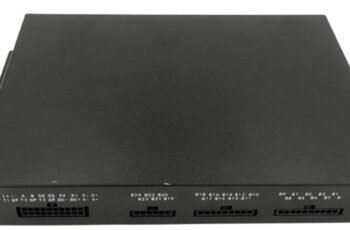
Have you been searching for a reliable 24V battery that can keep your equipment running longer, safer, and with less maintenance?
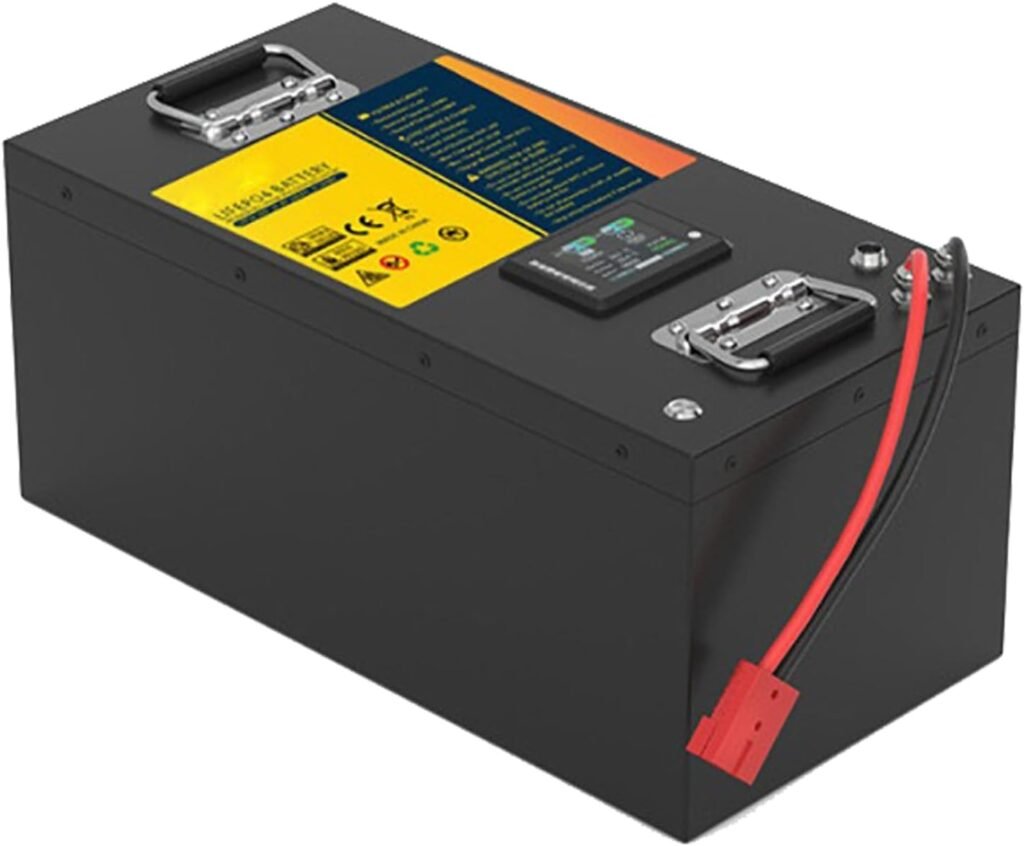

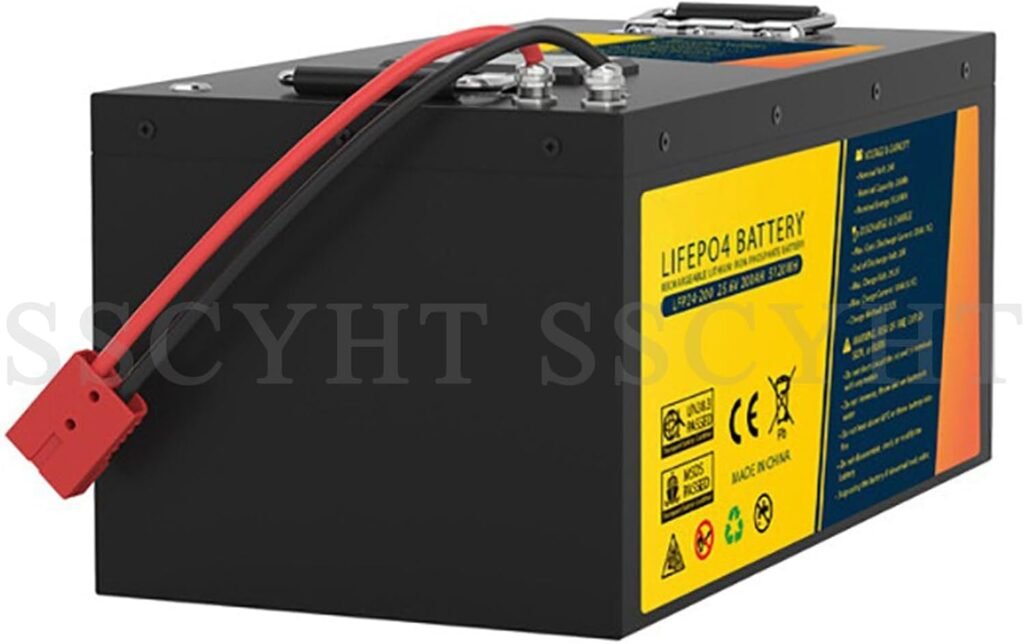
24V LiFePO4 24V 200Ah Battery Overview
You’re looking at a 24V 200Ah LiFePO4 battery designed specifically for demanding applications like AGV robots, floor scrubbers, golf carts, transporters, forklifts, RV backup systems, and other high-draw equipment. Instead of using older lead-acid technology, this battery uses automotive-grade Lithium Iron Phosphate (LiFePO4) cells, which means more usable energy, longer service life, and better safety.
You get a built-in Battery Management System (BMS) that keeps the battery protected against abuse and everyday wear, allowing you to focus on using your equipment instead of constantly checking the battery status.
Key Specifications at a Glance
You probably want to see the core specs in one place before deciding if this is right for your setup. Here’s a breakdown to help you compare and understand what you’re getting.
| Feature | Specification / Description |
|---|---|
| Chemistry | LiFePO4 (Lithium Iron Phosphate) |
| Nominal Voltage | 24V |
| Capacity | 200Ah |
| Energy (approx.) | ~4,800Wh (24V × 200Ah) |
| Charge Voltage | 29.2V |
| Recommended Charge Current | 50A |
| Cycle Life | Typically 2,000–4,000+ cycles (5–8 years, depending on use) |
| Operating Temperature | -20℃ to 60℃ |
| Built-in BMS | Yes – protects against overcharge, over-discharge, over-current, and short circuit |
| Mounting Orientation | Safe to mount in any position |
| Self-Discharge | Low self-discharge rate (holds charge for longer when not in use) |
| Applications | AGV robots, floor scrubbers, golf carts, transporters, forklifts, RV backup, energy storage |
These specs give you a sense of the battery’s power and flexibility. It is built to deliver high energy and long running times while also surviving in harsher environments and heavy-duty cycles.
Build Quality and Materials
You want a battery that won’t fail when you need it most. This battery uses automotive-grade LiFePO4 cells, which are typically held to stricter standards than generic cells. That translates into more consistent performance, better safety margins, and longer life.
The internal construction is engineered for high current output and stable voltage. With LiFePO4 chemistry, you get rigid, thermally stable cells that are much less prone to swelling or thermal runaway than many other lithium chemistries. This is particularly important when you are using it in industrial or mobile environments like robots and vehicles.
Energy Density and Power Output
With 24V and 200Ah, this battery gives you about 4.8kWh of stored energy. That’s a substantial amount in a form factor that is lighter and more compact than lead-acid alternatives. You can power heavy-duty loads for extended periods without frequent charging.
The battery is also designed for high output power, making it suitable for equipment that needs strong bursts of current, such as starting motors, lifting loads, or driving traction systems. You get a consistent voltage curve through most of the discharge cycle, so your machines won’t feel sluggish as the battery discharges the way they often do with lead-acid.
Deep Cycle Performance and Longevity
You are probably concerned about how long this battery will last before needing replacement. This 24V 200Ah LiFePO4 battery is built as a deep-cycle unit, meaning it is meant to be charged and discharged regularly, even to relatively low states of charge, without significant degradation.
You can expect a lifespan of around 5–8 years under typical use. In cycle terms, LiFePO4 batteries often reach several thousand cycles if you do not push them to extremes (like constant full-depth discharges or charging at very high currents). This is many times the lifespan of standard lead-acid batteries, which can begin noticeably degrading after only a few hundred deep cycles.
Over the long term, that extended lifespan helps you reduce replacement frequency and overall total cost of ownership.
Built-in BMS (Battery Management System)
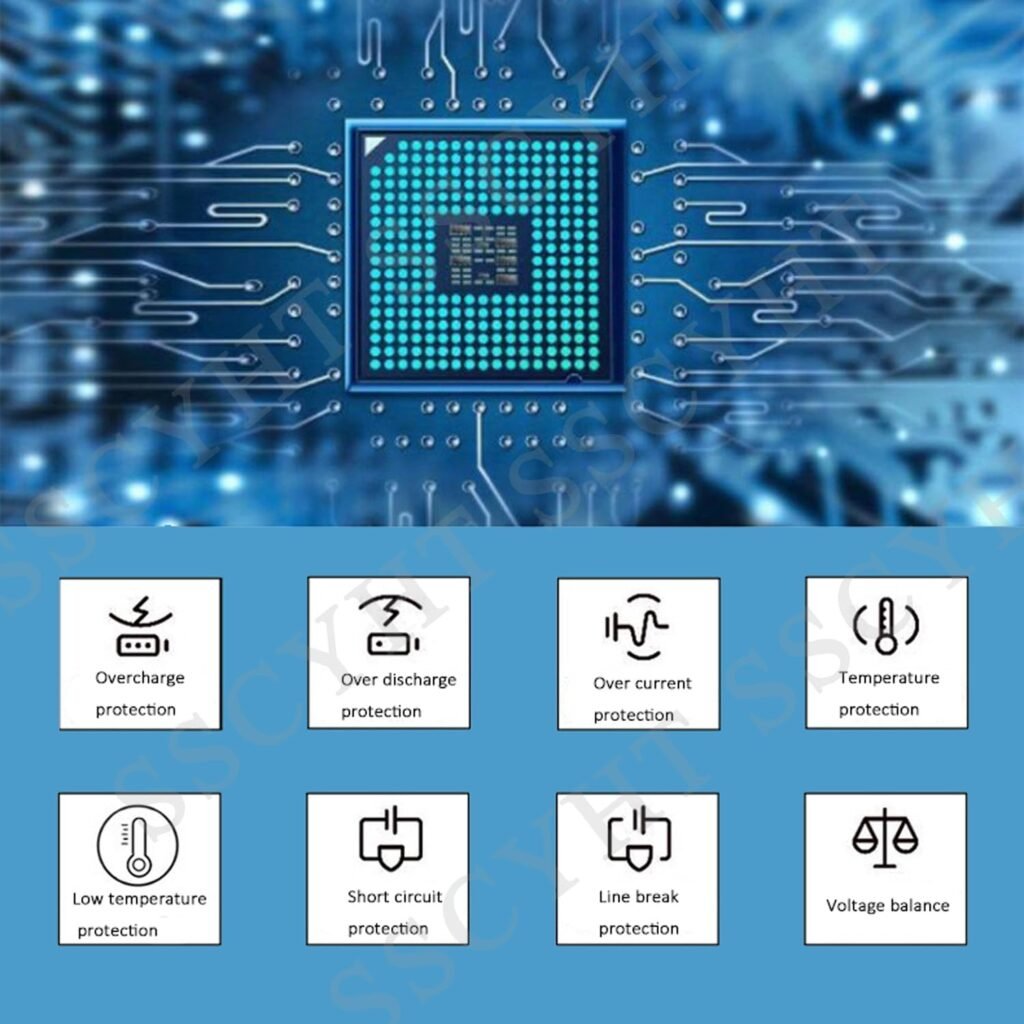
You don’t want to manage cell balancing and safety features yourself, and you don’t have to. The built-in BMS is central to the reliability and safety of this battery. It monitors key parameters to protect the cells and maintain proper operation.
The BMS typically manages:
- Overcharge protection: Prevents the voltage from exceeding a safe upper limit.
- Over-discharge protection: Shuts down output when the battery gets too low, preventing cell damage.
- Over-current protection: Limits the current during high-draw situations to protect against overload.
- Short-circuit protection: Disconnects the battery if a short is detected, minimizing risk to equipment and battery.
Because of the BMS, you can connect and use the battery in everyday applications without micromanaging each operating condition. It also helps you get the maximum lifespan out of the pack by avoiding the conditions that wear cells out prematurely.
Charging Performance and Requirements
You want something that charges efficiently and quickly without complicating your setup. This battery has a recommended charge voltage of 29.2V and a suggested charge current of 50A. At 50A, a full charge from empty to full would theoretically take around 4 hours, though in practice, the last part of charging slows down as the voltage approaches the upper limit.
Charging efficiency is up to 100%, which means most of the energy you put in is stored and available for use. You do not lose nearly as much energy as you do with lead-acid batteries, which can waste a noticeable portion through heat and gassing.
To get the best performance, you should use a charger specifically designed for LiFePO4 chemistry and set for 24V nominal systems. Many modern chargers and solar charge controllers support this out of the box, but you should still confirm the settings before connecting.
Operating Temperature and Environmental Conditions
You might be using this battery in environments that are less than ideal, such as cold floors in a warehouse or the engine bay area of an RV. This battery is rated to operate from -20℃ to 60℃, which covers a wide range of real-world conditions.
- Low temperatures (down to -20℃): The battery will still function, though, like all lithium batteries, you can expect some reduction in capacity and power output in very cold conditions. You should avoid charging at very high current at sub-zero temperatures unless your charger and system are specifically designed to handle that.
- High temperatures (up to 60℃): The battery can handle warm environments, but as with any battery, prolonged exposure to high temperatures may gradually reduce lifespan. If possible, you should allow for some ventilation or avoid placing it directly next to heat sources.
The robust temperature tolerance makes it suitable for industrial facilities, on-road and off-road vehicles, and seasonal RV use without requiring elaborate climate-controlled compartments.
Mounting Flexibility and Installation
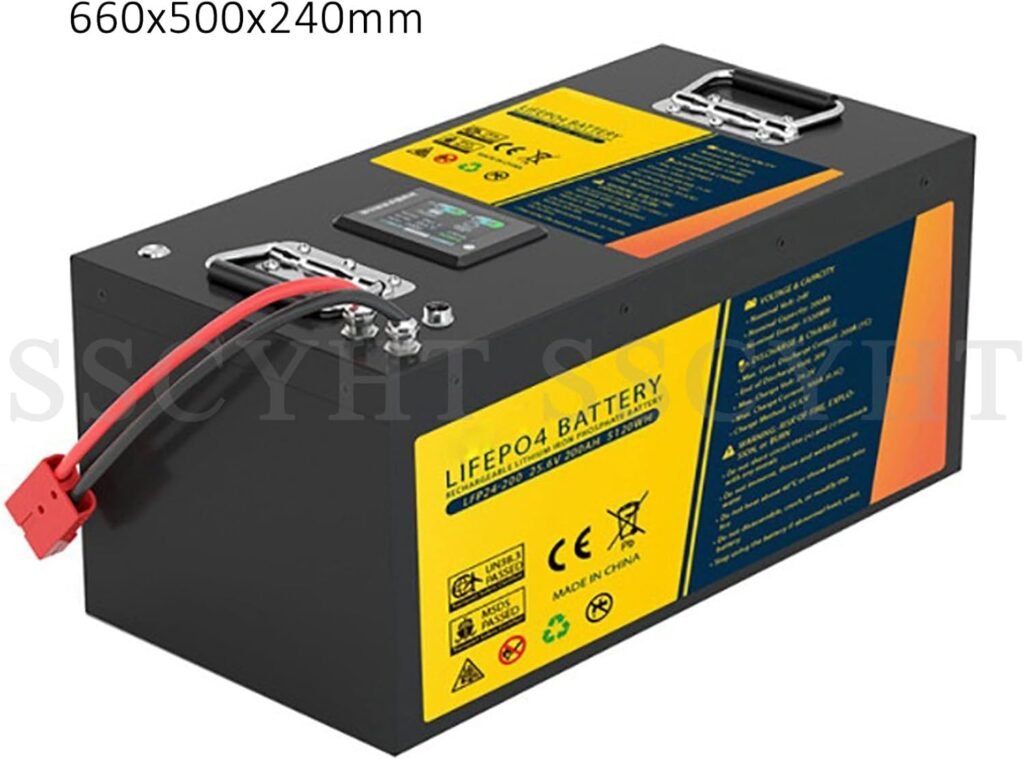
You might not have the luxury of a perfectly flat, upright battery compartment. One of the strengths of LiFePO4 batteries is that you can mount them in almost any orientation. This battery is safe to mount in any position, which is helpful in tight spaces like compact robots, customized RV storage bays, or under-seat compartments in golf carts.
During installation, you should:
- Ensure secure mounting so the battery doesn’t shift or vibrate excessively.
- Use appropriate gauge wiring for the current draw your equipment requires.
- Keep connections tight and clean to minimize resistance and heat.
- Provide at least some airflow or space around the battery if it is in an enclosed compartment.
This flexibility lets you adapt the battery to your existing equipment design instead of redesigning everything around a fixed, upright battery box.
Safety and LiFePO4 Chemistry Advantages
You might hear concerns about lithium batteries and safety. LiFePO4 chemistry is widely recognized as one of the safest lithium battery types currently available. It has a higher thermal stability and lower risk of thermal runaway than many other lithium-ion chemistries, such as lithium cobalt oxide (LCO).
Here’s what that means for you:
- Improved stability: The cells are less likely to overheat or catch fire when operated within normal limits.
- Less sensitive to misuse: With the built-in BMS and LiFePO4 chemistry, the battery is more forgiving of occasional user errors.
- Environmentally friendlier: LiFePO4 contains no cobalt and is generally considered more environmentally benign compared with some other lithium chemistries.
You still need to respect the battery’s ratings and follow proper installation procedures, but you can use it confident that it is a safer and more robust option than many alternatives.
Use in AGV Robots
If you are running automated guided vehicles (AGVs), uptime and predictable performance are essential. This 24V 200Ah LiFePO4 battery is particularly well-suited to that environment for several reasons.
AGV systems often require:
- Consistent power output across the discharge curve.
- Frequent charge/discharge cycles.
- High energy density to save space and weight.
You get all of that here. The flat discharge curve of LiFePO4 chemistry ensures that your AGVs maintain near-full performance until the battery is close to empty. That means your robot’s speed and lifting power stay consistent rather than slowly deteriorating as the battery drains.
The deep cycle capability lets you run AGVs through repeated shifts without constantly swapping batteries or worrying about accelerated wear from frequent recharging.
Use in Floor Scrubbers
If you operate floor scrubbers, you know that long runtime, low maintenance, and reliability directly affect productivity. This battery allows your scrubbers to run for extended periods between charges thanks to its high 200Ah capacity.
Key benefits for floor scrubbers include:
- Reduced downtime: Longer operational periods per charge mean fewer interruptions for recharging.
- Less maintenance: Unlike flooded lead-acid, there’s no need for watering or worrying about acid leaks.
- Stable performance: Scrubbers maintain consistent suction and brush power throughout the shift.
You can also safely mount the battery in a wide range of orientations within the scrubber’s chassis, simplifying installation or retrofits.
Use in Golf Carts
For golf carts, you want strong acceleration, steady power on hills, and the ability to complete rounds without anxiety about battery levels. This 24V 200Ah LiFePO4 pack can transform the driving experience compared with older batteries.
Benefits for golf carts include:
- Longer driving range: The 4.8kWh capacity and high usable depth of discharge give you more miles per charge.
- Lighter weight: LiFePO4 packs are generally lighter than equivalent-capacity lead-acid banks, improving handling and efficiency.
- Fast charging: With appropriate chargers and 50A charge capability, you can recharge quickly between uses.
You also eliminate common lead-acid issues like voltage sag under load and gradual performance loss as the charge level drops.
Use in Transporters and Forklifts
Transporters and forklifts often operate in demanding, industrial environments with heavy loads and continuous operations. This battery offers the robust power and deep-cycle endurance that these machines require.
For these applications, you gain:
- High power output for lifting and moving heavy loads.
- Reduced battery swap frequency, thanks to high capacity and deep-cycle capability.
- Improved safety with LiFePO4 stability and BMS protections.
Because the battery can work in temperatures from -20℃ to 60℃, it can handle many warehouse and outdoor conditions without performance falling off a cliff. You also benefit from predictable performance shifts and easier planning for charging schedules.
Use as RV Backup Battery and Energy Storage
If you use this as an RV house battery or stationary backup, you get a strong combination of capacity, durability, and safety. For RV owners, this battery can support lights, water pumps, refrigerators, inverters, and more for extended boondocking trips without the weight and bulk of lead-acid banks.
For RV and backup use, you get:
- High usable capacity: LiFePO4 can comfortably deliver a larger portion of its rated capacity without suffering severe damage.
- Fast recharge: You can quickly top it up using shore power, solar panels, or a generator with an appropriate charger.
- Low self-discharge: When your RV or backup system sits idle, the battery retains its charge for longer periods, reducing the need for trickle charging.
As a backup battery for cabins or small energy storage setups, it integrates well with solar charge controllers and inverters designed for 24V systems, giving you a reliable power buffer during outages.
Efficiency and Total Cost of Ownership
While the upfront cost of a LiFePO4 battery is usually higher than lead-acid, you need to think in terms of long-term savings. This battery offers high charging efficiency (up to 100%), meaning nearly all the power you put in is stored and ready to use. Over time, that efficiency, combined with the long cycle life, reduces energy waste and replacement costs.
When you spread the purchase price over 5–8 years and thousands of cycles, the cost per cycle and cost per kWh delivered are often lower than lead-acid options. You also save on maintenance time and potential downtime due to battery failures.
You are essentially paying more upfront to spend less over the life of your system and to enjoy better performance in the meantime.
Comparison with Traditional Lead-Acid Batteries
You might be considering whether to stick with lead-acid or move to LiFePO4. Here is a quick comparison to clarify the trade-offs:
| Aspect | 24V 200Ah LiFePO4 Battery | Typical 24V Lead-Acid Bank |
|---|---|---|
| Usable Capacity | High (you can use a large percentage regularly) | Lower (often suggested to use only ~50% to protect lifespan) |
| Cycle Life | Thousands of cycles, 5–8 years typical | Hundreds to low thousands of cycles, shorter life |
| Weight | Generally lighter for the same capacity | Heavier and bulkier |
| Maintenance | Maintenance-free (no watering, no acid) | Requires regular checks and watering (for flooded types) |
| Charging Efficiency | Up to ~100% | Lower, with more energy lost to heat and gassing |
| Safety | Very stable LiFePO4 chemistry, built-in BMS | Acid spill risk, gassing, needs proper ventilation |
| Mounting Orientation | Any orientation | Usually upright only |
| Performance at Low SOC | Voltage remains steady until near the end of discharge | Voltage drops more steadily throughout the discharge |
If you value long-term reliability, lighter weight, and lower operating costs, LiFePO4 is usually the better option, especially in frequent-use or deep-cycle environments.
Who This Battery Is Best For
You get the most value from this battery if you:
- Operate AGV robots, floor scrubbers, or forklifts that run many hours per day.
- Own a golf cart and want greater range, better performance, and less maintenance.
- Need RV house power or backup energy storage with reliable, long-term performance.
- Want to reduce the frequency of battery replacements and the hassle of battery maintenance.
- Need a 24V power source that can handle harsh or varied operating environments.
If your application is occasional and low demand, a cheaper battery might be enough, but if you rely on your battery daily, this kind of high-quality LiFePO4 build will pay for itself over time.
Installation and Compatibility Considerations
Before you commit, you should think through how this battery will fit into your existing system. A few key points to check:
- Voltage compatibility: Make sure your equipment, charger, and any inverters are designed for a 24V system.
- Charging profile: Your charger should support LiFePO4 chemistry with a 29.2V absorption/charge voltage and appropriate current levels.
- Current demands: Confirm that the battery’s continuous and peak current ratings match what your loads and motors demand.
- Series/parallel configurations: If you plan to connect multiple batteries, check whether the manufacturer allows series or parallel connections and what limits apply.
Taking time to align your components with the battery’s specifications helps you get the best possible performance and avoid problems like undercharging or tripping BMS protections.
Pros and Cons Summary
You might find it useful to see the main advantages and potential drawbacks in one straightforward list.
Advantages
You benefit from several strong points:
- Long lifespan (5–8 years), reducing replacement costs.
- High capacity (24V 200Ah), offering long runtimes and more usable energy.
- Automotive-grade LiFePO4 cells, enhancing reliability and safety.
- Built-in BMS with overcharge, over-discharge, over-current, and short-circuit protection.
- Excellent charging efficiency and suitable for fast charging at up to 50A.
- Wide operating temperature range, from -20℃ to 60℃.
- Flexible mounting orientation, allowing installation in tight or unusual spaces.
- Low self-discharge, maintaining charge over long idle periods.
Potential Drawbacks
You should also be aware of a few possible downsides:
- Higher upfront cost than traditional lead-acid options.
- Requires a compatible LiFePO4 charger or careful adjustment of existing chargers.
- Charging in very cold weather needs care to avoid damaging the cells if not properly managed.
- Weight and dimensions might still be substantial, depending on the specific enclosure (though lighter than equivalent lead-acid).
If these drawbacks are manageable in your situation, the strengths of this battery will likely outweigh them for most professional and serious recreational applications.
Practical Usage Tips
To get the best performance and longest life from your 24V 200Ah LiFePO4 battery, you can follow a few simple guidelines:
- Use a dedicated LiFePO4 charger set to 29.2V maximum charge voltage.
- Avoid continuous operation at extreme temperatures, especially high heat, wherever possible.
- Do not repeatedly drain to 0%; keeping discharge depth moderate (for example, 80% instead of 100%) will extend lifespan.
- Give the battery some breathing room for air circulation, particularly near high-power inverters or motors.
- Periodically inspect connections for corrosion or looseness, especially in high-vibration environments.
These steps help you maintain safe operation and protect your investment over many years of service.
Real-World Scenarios Where It Shines
To understand how this battery could fit your life or business, it helps to picture a few real-world scenarios:
-
Warehouse AGV fleet: Your robots run two or three shifts per day, and constant swapping of lead-acid batteries is costing time and labor. With this LiFePO4 battery, each robot gets longer continuous runtime and faster charging, cutting down on swapouts and improving uptime.
-
Commercial cleaning company: Your floor scrubbers need to finish large retail spaces overnight. Instead of mid-shift recharges and degraded performance as batteries sag, you get consistent cleaning power all night long, then quickly recharge before the next job.
-
Golf course or personal cart: You want your cart to have reliable range, even on hilly courses. This battery gives you stronger acceleration and enough stored energy for multiple rounds without stress, with minimal maintenance requirements.
-
Full-time RVer: You depend on your battery bank for lights, refrigeration, laptops, and entertainment. With this 24V 200Ah LiFePO4 pack, combined with solar panels or shore power, you stay off-grid longer without worrying about killing your batteries early.
If any of these scenarios sound like yours, this battery aligns well with your power and reliability demands.
Final Thoughts: Is This 24V 200Ah LiFePO4 Battery Right for You?
If you need a robust, long-lasting 24V solution for AGV robots, industrial cleaning machines, golf carts, transport vehicles, forklifts, RV house systems, or backup power storage, this 24V 200Ah Lithium Iron Phosphate battery is a strong candidate. You get high energy capacity, deep-cycle durability, and the safety and stability of LiFePO4 chemistry, all supported by a built-in BMS.
You reduce the hassle of frequent replacements, lower your maintenance tasks, and gain confidence that your equipment will have the power it needs when it matters most. While the initial cost is higher than basic batteries, the long-term performance and reliability can more than make up for it.
If your goal is dependable, efficient, and safe 24V power with a lifespan measured in years of hard use, this battery offers the kind of performance you can rely on.
Disclosure: As an Amazon Associate, I earn from qualifying purchases.