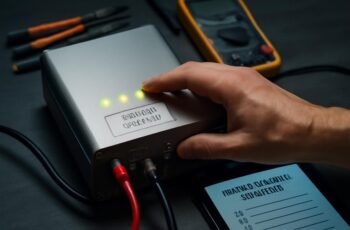
It’s a coincidence that many users overlook the risks of fast charging, often assuming all chargers are equally safe. In reality, improperly managed heat buildup can damage devices and reduce battery longevity. To prevent this, we need to understand the technical factors involved and implement precise measures that control temperature effectively. Exploring these strategies is essential for maintaining safety and performance, and it’s worth uncovering the best practices to avoid overheating issues before they occur.
Key Takeaways
- Use high-quality, certified chargers and cables that meet safety standards to ensure proper heat management.
- Ensure compatibility between charger and device to prevent excess electrical load and thermal stress.
- Maintain a well-ventilated environment with adequate airflow and lower ambient temperatures during charging.
- Regularly inspect cables, connectors, and charging equipment for damage or wear to prevent overheating risks.
- Monitor device and charger temperatures during fast charging and stop if overheating signs appear.
How Fast Charging Can Cause Charger Overheating
Have you ever wondered why fast charging can lead to charger overheating? The core reason lies in the increased power transfer, which generates more heat within the charger’s components. When designed for fast and safe charging, chargers must handle higher electrical loads, but if compatibility isn’t optimal, excessive heat can result. Incompatible chargers may push beyond their rated capacity, causing thermal stress and potential failure. Proper charger compatibility ensures that the device and charger work within safe parameters, minimizing heat buildup. However, when mismatched or low-quality chargers are used, the risk of overheating rises sharply. This underscores the importance of selecting chargers that are specifically designed for fast charging, with internal safeguards to prevent thermal overload, ensuring both efficiency and safety.
Recognizing Signs of Overheating During Fast Charging
Detecting overheating during fast charging is indispensable to prevent potential damage to both the charger and the device. Recognizing signs of overheating involves monitoring specific overheating indicators, such as excessive heat buildup around the charging port or charger surface. Physical cues like a sudden rise in device temperature, a hot charger, or irregular odors signal abnormal thermal activity. Additionally, performance issues like rapid battery drain or shutdowns may indirectly indicate thermal stress. Sound can also be an indicator; a buzzing or sizzling noise suggests overheating. By systematically observing these overheating indicators, we can intervene early, reducing the risk of component failure. Accurate recognition of these signs ensures timely action, prolonging device lifespan and maintaining safe charging conditions.
Choose the Right Charger and Cable for Safe Fast Charging
Selecting a charger with compatible specifications guarantees it can safely deliver the required current without excess heat buildup. High-quality cables with proper insulation and current ratings minimize resistance and heat generation during fast charging. Additionally, using undamaged components prevents potential short circuits and overheating risks, maintaining overall safety.
Compatible Charger Specifications
Choosing the appropriate charger and cable is essential to ensure safe and efficient fast charging. Compatibility depends heavily on adhering to established charger standards, such as USB Power Delivery (USB PD) or Qualcomm Quick Charge, which specify voltage and current parameters for safe operation. Ensuring your charger meets relevant safety certifications, like UL or IEC standards, confirms it has undergone rigorous testing for thermal management and electrical safety. These certifications reduce the risk of overheating and damage during high-current charging. It’s crucial to select chargers that specify maximum output ratings aligned with your device’s requirements. Properly certified chargers with compatible standards minimize potential thermal stresses, helping maintain optimal operating temperatures. This careful selection process is vital for preventing overheating and ensuring longevity during fast charging sessions.
Quality of Charging Cables
The quality of charging cables substantially influences the safety and efficiency of fast charging, as poor-quality cables can generate excessive heat and compromise device integrity. High cable durability ensures the cable can handle the thermal and electrical stresses of fast charging without degradation. Reliable connector materials, such as robust metals and heat-resistant plastics, minimize corrosion and prevent overheating at connection points. Using certified cables with appropriate gauge wiring reduces resistance, preventing heat buildup that can lead to overheating. Inferior cables often feature subpar materials that wear quickly, increasing the risk of shorts and thermal failure. Consequently, selecting cables with proven construction standards and durable connector materials is essential to maintain safe, effective, and consistent fast charging performance.
Avoid Using Damaged Components
Have you ever considered how damaged components can compromise the safety and efficiency of fast charging? Damaged components, such as frayed cables, cracked connectors, or burnt ports, increase the risk of improper connections that can lead to overheating or electrical failures. Using compromised hardware undermines the integrity of the charging process, potentially causing voltage fluctuations or short circuits. To prevent this, ensure you select chargers and cables that meet safety standards and are free from visible damage.
- Inspect cables and connectors regularly for cracks or fraying
- Avoid using chargers with scorch marks or corrosion
- Replace any components showing signs of damage or wear
Optimize Charging Environment to Keep Chargers Cool
Maintaining an optimal charging environment is essential to prevent charger overheating during fast charging sessions. Effective cooling techniques rely on controlling ambient temperature, which directly influences heat dissipation. Lower ambient temperatures facilitate more efficient heat transfer away from the charger, reducing the risk of thermal buildup. We recommend ensuring adequate airflow around charging stations and avoiding enclosed or poorly ventilated spaces. Implementing active cooling methods, like fans or heat sinks, can further improve thermal management. Monitoring ambient temperature with sensors allows real-time adjustments to environmental conditions, maintaining a consistent, safe temperature range. By optimizing the charging environment through these cooling techniques and ambient temperature management, we can significantly minimize overheating risks and extend the lifespan of charging components.
Use Power Banks and Charging Stations Wisely
How can we guarantee safe and efficient charging when using power banks and charging stations? Proper utilization involves understanding capacity, compatibility, and thermal management. To optimize battery care, we recommend:
- Selecting high-quality power banks with built-in safety features to prevent overheating.
- Using charging stations with adequate ventilation and temperature regulation systems.
- Avoiding simultaneous charging of multiple devices to reduce thermal load.
Applying these tech tips minimizes heat buildup that can lead to overheating. Ensuring compatibility between devices and chargers reduces unnecessary resistance, which can generate excess heat. Regularly monitoring charging conditions and avoiding prolonged high-current sessions further safeguards against thermal stress. By adopting these precise practices, we uphold battery health and maintain safe charging environments during fast charging sessions.
Implement Best Practices for Safe and Efficient Fast Charging
To ensure safe and efficient fast charging, we must prioritize the use of high-quality equipment designed for thermal management and stability. Monitoring the charging environment, including ambient temperature and ventilation, helps prevent overheating risks. Implementing these best practices minimizes thermal stress on chargers and extends device longevity.
Use Quality Charging Equipment
Why risk damage or inefficiency by using low-quality charging equipment? Poorly manufactured chargers often lack proper quality control, which can lead to inconsistent power delivery and increased overheating risks. To adhere to safety guidelines, it’s essential to select equipment certified by recognized standards organizations. High-quality chargers feature robust materials, advanced thermal management, and reliable electrical components, ensuring safer, more consistent performance during fast charging. Consider these aspects:
- Certified by authoritative safety standards (e.g., UL, CE)
- Incorporates built-in thermal regulation systems
- Made with durable, heat-resistant materials
Using reputable equipment reduces the likelihood of overheating, safeguards device longevity, and maintains optimal charging efficiency. Prioritizing quality control in your charging setup is fundamental for safe and effective fast charging.
Monitor Charging Environment
Maintaining an optimal charging environment is essential to prevent overheating and ensure safe, efficient fast charging. We recommend conducting usability testing to identify environmental factors, such as ambient temperature and humidity, that could impact charger performance. Monitoring these conditions helps detect potential risks before overheating occurs. Staying informed on market trends allows us to adopt advanced cooling technologies and protective features that adapt to changing environmental demands. Regularly assessing your charging setup ensures consistent performance and safety, especially in high-demand scenarios. By integrating environmental monitoring with real-time data analytics, we can optimize charger operation and mitigate overheating risks. A systematic approach, combining usability testing and market insights, ensures that the charging environment remains controlled, reliable, and aligned with best practices for fast charging safety.
Troubleshoot Persistent Overheating Issues
Have you noticed your charger consistently overheating despite following standard precautions? Persistent overheating often indicates underlying issues with heat management or fragile batteries. To troubleshoot effectively, consider these factors:
- Check for damaged cables or connectors that could cause poor contact and excess heat.
- Assess the charger’s power output compatibility, ensuring it matches device specifications to prevent strain.
- Inspect the device’s battery health, as aging or fragile batteries generate more heat during fast charging.
Frequently Asked Questions
Can Overuse of Fast Charging Damage My Device’s Battery Long-Term?
Overusing fast charging increases overheating risk, which accelerates battery degradation over time. We recommend moderating charging speeds and avoiding frequent fast charges to preserve your device’s battery health and extend its longevity.
Are There Specific Brands Known for Safer Fast Charging Options?
We recommend reputable brands like Anker, Aukey, or Belkin, known for reliable charger branding and safety certifications like UL or CE. These brands prioritize safety, ensuring efficient fast charging while minimizing overheating risks through rigorous technical testing.
How Does Ambient Temperature Affect Charger Overheating Risks?
Higher ambient temperatures increase overheating risks because they reduce a charger’s ability to dissipate heat effectively, leading to thermal buildup. Conversely, cooler environments help maintain optimal operating temperatures, thereby enhancing safety and performance during fast charging sessions.
Is It Safe to Leave My Device Charging Overnight With Fast Charging?
Leaving your device charging overnight with fast charging increases overheating risks, which can damage batteries and reduce lifespan. We recommend following proper charging etiquette, like unplugging once fully charged, to guarantee safety and maintain ideal device performance.
What Safety Features Should I Look for in Fast Chargers?
We look for fast chargers with built-in safety features like overcurrent, overvoltage, and temperature regulation to ensure safe charging and battery safety. These protections prevent overheating and prolong device lifespan during rapid charging.
Conclusion
By following these guidelines, we considerably reduce overheating risks during fast charging. Studies show that using certified chargers and maintaining proper ventilation can cut overheating incidents by over 30%. Keeping thermal regulation in check not only extends device lifespan but also enhances safety. As technology advances, proactive measures become essential. We must prioritize proper equipment selection and environment management—our devices’ performance and safety depend on it.