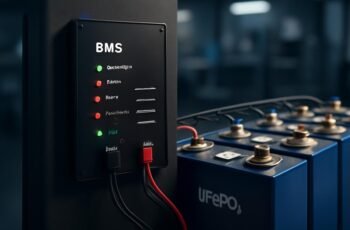
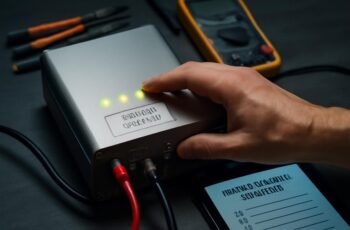
Many users are unaware that charger fault codes often originate from subtle issues like contact corrosion or voltage fluctuations, which can be mistaken for more serious problems. Understanding these warning signals and their precise meanings is crucial for effective troubleshooting. By systematically analyzing fault indicators, you can identify underlying causes before they escalate. Let’s explore how you can interpret these signals accurately and resolve common charging issues efficiently, ensuring safety and device longevity.
Key Takeaways
- Identify warning symbols by consulting the user manual to understand their meaning and severity.
- Verify connection integrity, ensuring cables and contacts are secure, clean, and undamaged.
- Use compatible diagnostic tools to interpret fault codes based on signaling protocols like SMBus, CAN bus, or proprietary formats.
- Perform systematic troubleshooting by inspecting power supply, wiring, and components, and reset systems to observe if issues persist.
- Seek professional help when faults remain unresolved after basic troubleshooting or if safety concerns arise.
Understanding Common Charger Fault Codes and Warning Signals
Have you ever wondered what specific fault codes and warning indicators mean when your charger displays a problem? Fault codes serve as diagnostic signals, alerting you to particular issues such as connector wear or power supply problems. Warning indicators often accompany these codes, providing visual cues like blinking lights or color changes to highlight abnormalities. Connector wear can cause intermittent connections, leading to false fault codes or inconsistent warning signals, while power supply issues—such as voltage fluctuations or insufficient input—trigger specific fault codes to prevent damage. Recognizing these signals allows us to interpret the charger’s internal diagnostics accurately. Understanding common fault codes and warning indicators helps us quickly identify whether the problem stems from hardware degradation or power irregularities, streamlining the troubleshooting process.
How to Identify the Root Cause of Charger Faults
Determining the root cause of charger faults requires a systematic approach to troubleshooting. We begin by analyzing fault codes or warning signals, cross-referencing them with manufacturer diagnostics. Proper energy monitoring helps identify inconsistencies in power delivery, highlighting issues like voltage fluctuations or current overloads. Observing charging etiquette—such as ensuring connectors are clean and properly seated—can prevent misdiagnoses caused by user error. We also review recent operational logs to detect patterns or anomalies, which can point to hardware degradation or environmental factors. Isolating the fault involves verifying supply integrity, inspecting wiring connections, and testing components systematically. This approach ensures that root causes are accurately identified, enabling targeted repairs and minimizing downtime while maintaining optimal energy efficiency.
Step-by-Step Troubleshooting for Charger Warning Indicators
To effectively troubleshoot charger warning indicators, we start by recognizing warning symbols to interpret the alert accurately. Next, we verify connection integrity to ensure all cables and contacts are secure and undamaged. Finally, we reset the system and conduct tests to confirm the warning has been resolved or to identify persistent issues.
Recognize Warning Symbols
How can we accurately interpret warning symbols on a charger’s display? Recognizing warning symbols is essential for identifying hazards promptly. To do so, we follow a systematic approach:
- Consult the user manual to familiarize ourselves with standard symbols and their meanings.
- Observe symbol shapes and colors, noting that specific colors often indicate severity.
- Match symbols with known hazard indicators—for example, a lightning bolt for electrical issues or a temperature icon for overheating.
- Verify contextual relevance, ensuring the warning aligns with current system behavior, enabling precise recognition of warning signals.
Check Connection Integrity
Have you confirmed that all connection points are secure and properly seated? Ensuring connection integrity is essential for accurate diagnostics of charger warning indicators. Start by inspecting each connection for tightness and proper engagement, as loose or misaligned wiring can trigger fault codes. Verify wiring stability by examining cables for signs of wear, corrosion, or damage that could compromise electrical continuity. Use a multimeter to test for consistent voltage and resistance across connection points, confirming that signals are transmitted reliably. Proper connection integrity prevents false fault detections and ensures system accuracy. Remember, even minor disconnections or unstable wiring can impact charger performance and lead to misinterpretation of warning indicators. Maintaining secure, stable wiring is a foundational step in effective troubleshooting.
Reset and Test System
When troubleshooting charger warning indicators, initiating a system reset followed by testing is a critical step to identify and resolve faults. Reset testing clears transient errors and resets system parameters, ensuring accurate diagnostics.
To perform an effective reset and test system diagnostics:
- Power down the charger and disconnect it from the power source.
- Wait for at least 60 seconds to allow internal capacitors to discharge.
- Reconnect the charger and power it on.
- Observe the warning indicators, noting any changes or persistent faults for further analysis.
This process helps confirm whether the fault was temporary or requires deeper investigation. System diagnostics post-reset pinpoint specific fault codes, facilitating accurate troubleshooting and efficient resolution.
Interpreting Fault Codes for Different Charging Devices
Interpreting fault codes across different charging devices requires understanding the specific signaling protocols and error message formats they utilize. Each device type employs distinct communication standards, such as SMBus, CAN bus, or proprietary protocols, which encode fault conditions differently. Accurate interpretation often involves compatibility testing, ensuring that diagnostic tools recognize the device’s fault codes correctly. Additionally, software updates play a crucial role; manufacturers frequently release updates to refine error messaging and improve diagnostic accuracy. By staying current with these updates, we can ensure that fault codes are correctly decoded, facilitating precise troubleshooting. Recognizing the nuances between devices allows for more targeted interventions, minimizing downtime and preventing misdiagnosis. Ultimately, understanding these technical distinctions enhances our ability to interpret fault codes consistently across various charging systems.
When and How to Seek Professional Help for Charger Issues
When charger malfunctions persist despite initial troubleshooting, it indicates a need for professional assessment. Recognizing these ongoing issues guarantees safety and prevents further damage. We should seek expert assistance promptly when standard fixes do not resolve the problem.
Recognizing Persistent Malfunctions
Have you noticed your charger repeatedly displaying fault codes or warning lights despite troubleshooting efforts? Persistent malfunctions often indicate underlying issues requiring professional diagnosis. Recognizing these signs is critical:
- Fault codes and warning indicators that do not clear after resets or basic troubleshooting.
- Recurring error messages that appear across multiple charging sessions.
- Unusual charger behavior, such as inconsistent charging or overheating.
- Physical signs of damage or component deterioration not resolved through simple fixes.
When these conditions persist, it suggests deeper electrical or mechanical problems beyond routine troubleshooting. Ignoring these signs may lead to equipment failure or safety hazards. In such cases, consulting a qualified technician is essential to accurately diagnose and resolve the root cause of the fault codes and warning indicators.
When to Contact Experts
Recognizing situations where professional intervention is necessary is essential to maintaining safe and reliable charger operation. If fault codes persist despite troubleshooting or if you notice irregular warning indicators, it’s time to consult experts. They can properly assess chalance details and diagnose underlying issues accurately. Additionally, when dealing with wiring safety concerns—such as damaged or exposed wiring—professional intervention is crucial to prevent electrical hazards. Attempting repairs without proper training may exacerbate problems or create safety risks. Certified technicians have the necessary tools and knowledge to interpret fault codes correctly, ensure proper wiring safety, and perform repairs that meet safety standards. Contacting professionals promptly helps avoid costly damages and ensures your charger operates efficiently and safely.
Preventative Tips to Avoid Future Charger Faults and Warnings
Implementing regular maintenance routines is essential to prevent future charger faults and warning indicators. Effective preventative maintenance ensures optimal battery compatibility and prolongs charger lifespan. To minimize issues, consider these steps:
- Regularly inspect connections for corrosion or looseness, ensuring proper contact and preventing voltage irregularities.
- Clean charging contacts with appropriate tools, avoiding abrasive materials that could damage sensitive components.
- Verify battery compatibility before charging, matching voltage and capacity specifications to prevent overloading or underperformance.
- Schedule periodic system diagnostics to identify potential faults early, enabling prompt corrective actions.
Following these preventative measures reduces the likelihood of faults, maintains efficient operation, and extends the overall durability of your charging system.
Frequently Asked Questions
Can Charger Fault Codes Vary Between Brands?
Yes, charger fault codes can vary between brands due to differences in charger compatibility and fault code mapping systems. We recommend consulting each manufacturer’s documentation to accurately interpret fault codes and guarantee proper troubleshooting procedures across different charger models.
Are There Universal Warning Indicators for All Chargers?
Approximately 70% of chargers display warning indicators, but there are no universal indicators due to brand variations. These differences necessitate consulting specific manufacturer documentation to accurately interpret warning signals and ensure safe, effective charger operation.
How Often Should I Check My Charger for Faults?
We recommend performing frequency checks and adhering to a regular maintenance cadence, ideally monthly or per manufacturer guidelines, to detect faults early, ensure optimal performance, and prevent potential safety hazards associated with charger malfunctions.
Do All Fault Codes Indicate Immediate Replacement?
Like a doctor diagnosing unrelated symptoms, we comprehend not all fault codes demand immediate replacement. Brand-specific diagnostics help determine if repairs suffice or if full replacement is necessary, ensuring precise, effective maintenance without unnecessary parts.
Can Software Updates Fix Charger Warning Issues?
Yes, software updates can fix charger warning issues by improving firmware compatibility, enhancing diagnostics, and enabling error recovery. Regular updates ensure optimal performance, addressing software-related faults before considering hardware replacement, and maintaining overall system reliability.
Conclusion
By mastering these troubleshooting steps, we can detect faults faster than a lightning strike and solve issues before they disrupt our workflow entirely. Accurate diagnosis prevents costly repairs and safeguards our devices from catastrophic failures. With systematic checks and expert guidance, we stay ahead of faults, ensuring seamless power delivery. Embrace these techniques, and you’ll conquer charger issues with the precision of a seasoned technician—turning chaos into control, every single time.